Hong Kong Tests Firefighting Drones After Deadly Blaze
Hong Kong is launching a pilot program to test firefighting drones, part of sweeping safety improvements following a November fire that claimed 168 lives. The city hopes to be among the first to deploy the life-saving technology once testing proves successful.
Hong Kong is turning tragedy into progress with a new pilot program testing firefighting drones that could revolutionize emergency response across the city.
Security Secretary Chris Tang announced the initiative Wednesday, explaining that Hong Kong will follow mainland China's example in testing drone technology for firefighting operations. The move comes as authorities work to prevent another disaster like the devastating Tai Po fire in November 2024, which killed 168 people.
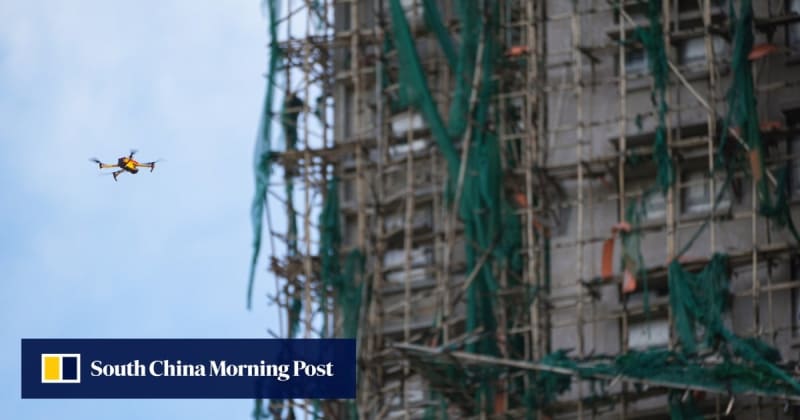
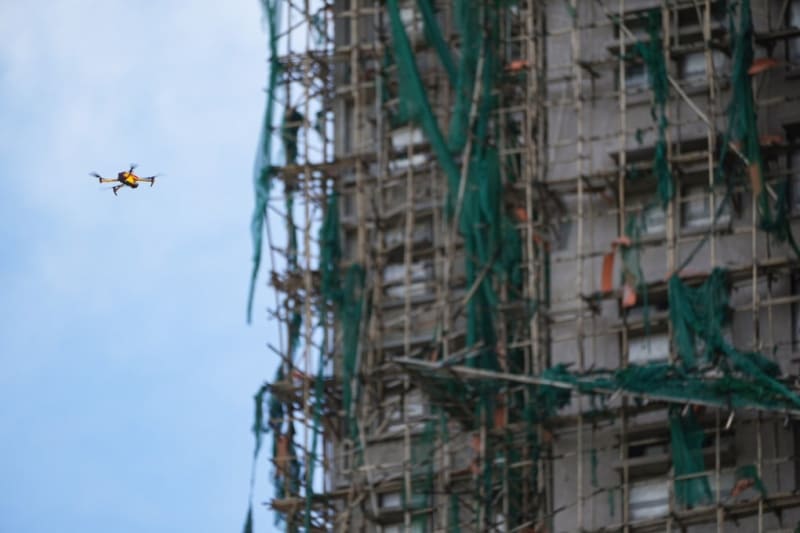
Right now, Hong Kong only uses drones to analyze fire scenes after the fact. But that's about to change as the Fire Services Department tests locally produced models and works closely with mainland authorities and manufacturers to develop the technology.
"It is hoped that once the technology has matured and been proven safe and feasible, Hong Kong will be among the first to deploy drones for firefighting operations," Tang told lawmakers. The drones aren't quite ready for real fire scenes yet, but the testing phase marks an important first step.
The city isn't stopping with drones. Firefighters are also trialing lighter, more portable thermal imaging cameras that help them see through smoke-filled rooms while reducing physical strain during rescues.
Why This Inspires
What makes this story remarkable isn't just the technology itself. It's how quickly Hong Kong transformed grief into action.
Just two months after launching another pilot program, the city has already installed smart fire alarm systems in 10 older buildings. These internet-connected detectors have already improved firefighter response times, and they're remarkably efficient. Installation takes just two to three weeks and costs around $25,600, compared to traditional systems that take up to two years and cost triple that amount.
The department plans to evaluate the first phase by mid-2026, with hopes of expanding the smart alarm system to 3,600 older buildings across Hong Kong that lack adequate firefighting equipment. That's thousands of families who will sleep safer at night.
When tragedy strikes, communities face a choice: remain paralyzed by grief or channel that pain into preventing future loss. Hong Kong chose hope, and now cutting-edge technology will stand guard over the city's most vulnerable buildings.
More Images


Based on reporting by South China Morning Post
This story was written by BrightWire based on verified news reports.
Spread the positivity!
Share this good news with someone who needs it