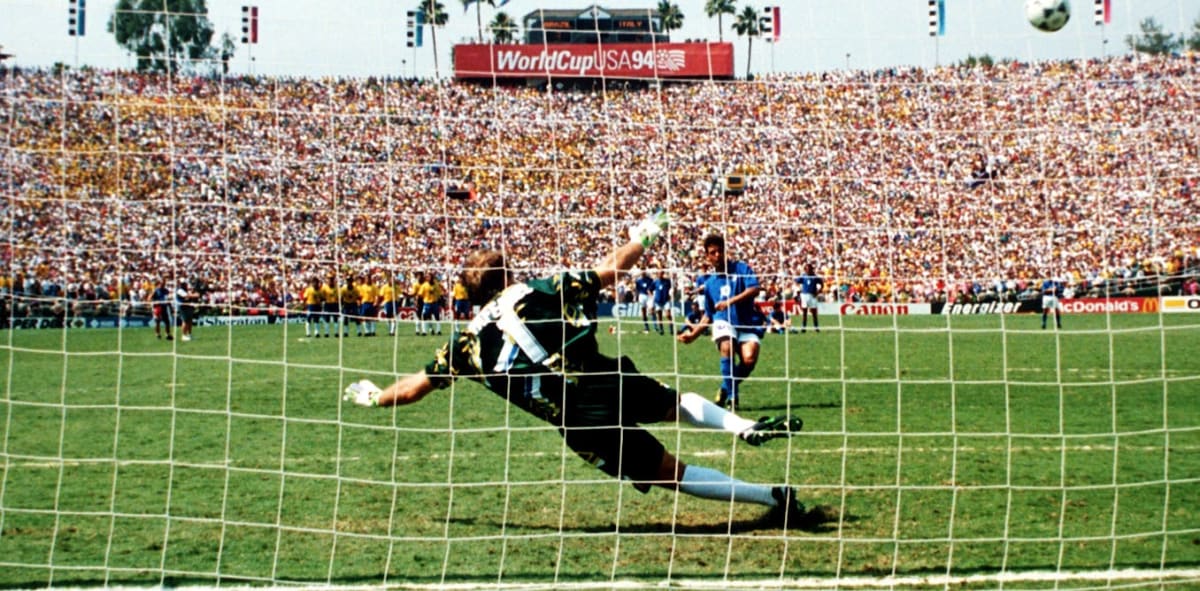
How 1994 World Cup Rules Made Soccer Beautiful Again
After the worst World Cup in history, soccer's governing body made bold rule changes in 1994 that transformed the game from boring and cynical into something beautiful to watch again. Those changes still shape the game we love today.
📺 Watch the full story above
The 1990 World Cup in Italy was so bad that the game's poet laureate called it "boring soccer without a drop of audacity or beauty."
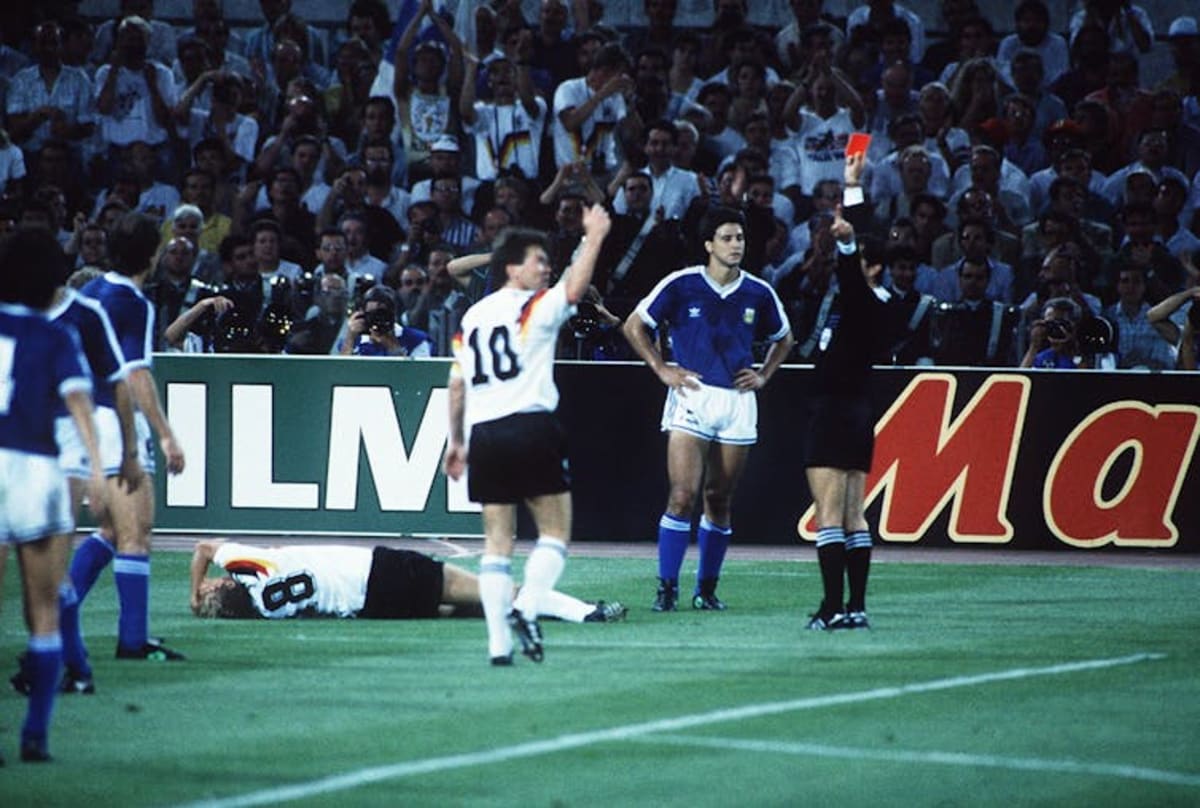
He wasn't exaggerating. The tournament set the record for fewest goals in World Cup history. Players wasted time, dove to trick referees, and fouled intentionally. The final match was so ugly that FIFA's own report called it "a dreadful advertisement for the game of football."
But soccer's governing body didn't just complain. They actually fixed it.
FIFA assembled a team of former players and coaches to reimagine the rules. Their mission was simple: make soccer worth watching again and restore respect for the game's true skills.
The changes they introduced before the 1994 World Cup in the United States were revolutionary. Teams now got three points for a win instead of two, rewarding creative play over grinding out draws. Forwards got more freedom with a relaxed offside rule. Referees cracked down harder on fouls and dirty tactics.
The biggest game changer was the backpass rule. Goalkeepers could no longer pick up passes from their own teammates, ending the painful time-wasting tactics that made fans check their watches.
Players even signed a fair play declaration before the tournament started. While mostly symbolic, it sent a clear message about the kind of soccer FIFA wanted to see.
The results spoke for themselves. USA '94 delivered more goals, fewer fouls, more attacking play, and almost no ugly incidents between players. One reporter summed up the sentiment many felt: "It was a very good World Cup."
The Ripple Effect
These 1994 changes didn't just save one tournament. They fundamentally transformed how soccer is played worldwide. The backpass rule alone revolutionized the game, forcing teams to play more creatively from the back and giving goalkeepers new roles as skilled passers.
Philosophy of sport researchers have studied these changes for three decades, documenting how thoughtful rule adjustments can improve both how a game looks and how players behave. The lesson extends beyond soccer: when organizations identify problems and respond with bold, well-designed solutions, they can reshape entire cultures.
Young players growing up after 1994 learned soccer that valued skill, creativity, and forward thinking over cynical time-wasting. Fans got a game worth their passion and ticket prices.
As the World Cup returns to North America in 2026, spanning Canada, Mexico, and the United States, fans can expect the beautiful game those 1994 reforms helped restore.
More Images
Based on reporting by Google: world cup victory
This story was written by BrightWire based on verified news reports.
Spread the positivity!
Share this good news with someone who needs it