How a 1960s Light Pen Replaced Paper Medical Records
Before keyboards were common, doctors at one California hospital used a touchscreen-like stylus to create the world's first hospital-wide digital record system. That 1960s breakthrough just earned recognition as a historic milestone in modern healthcare.
Imagine trying to save a life while searching through filing cabinets for a patient's paper chart.
That was reality for hospitals until 1968, when El Camino Hospital in Mountain View, California, launched something revolutionary. Working with Lockheed Martin, they built MIS-I (pronounced "miss-ONE"), the world's first complete hospital computer system that let doctors digitally admit patients, order tests, and send prescriptions.
The biggest challenge wasn't the technology. It was getting doctors to use it.
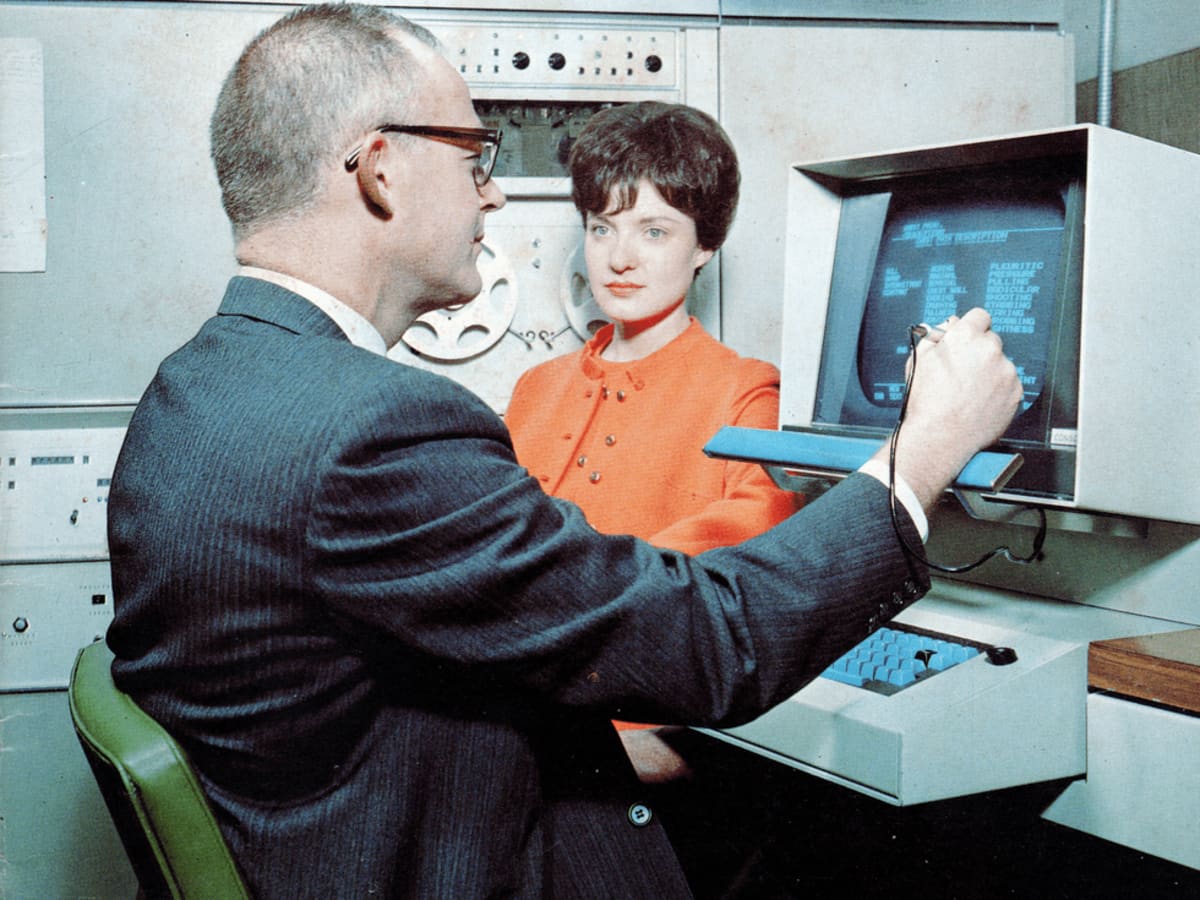
Most physicians in the 1960s couldn't type. Computer mice barely existed. So Melville Hodge, leading the development team, borrowed technology from a secret satellite program: the light pen.
This stylus-like tool let doctors tap options on a 14-inch TV screen (yes, bought from a department store). They'd swipe their badge, select from categories like "patient history" or "current illness," and the system would display what they needed or complete their request. A keyboard stayed attached for typing new information, but the light pen made the system actually usable.
The impact was immediate. Paper records had been expensive to maintain, requiring staff to transcribe notes, add medical codes, and manage claims. They were also error-prone and slow to retrieve during emergencies.
MIS-I changed that. The system tracked everything from lab orders to billing in real time, cutting costs and reducing mistakes that could endanger patients.
Why This Inspires
On May 14, IEEE recognized MIS-I as an official Milestone at El Camino Hospital. Dan Woods, chief executive of El Camino Health, called it "proof of what can happen when clinicians, engineers, administrators, and community leaders unite around a common goal: improving care for patients."
The system laid groundwork for every electronic health record platform used today. Epic, Oracle Health, and AthenaOne all descended from this pioneering work. Now millions of patients worldwide can access their medical records from home, schedule appointments online, and trust that their doctors have accurate information instantly.
What started with a borrowed TV and a light pen became the foundation for modern medical care. Sometimes the biggest innovations come from solving the simplest human problem: making new technology something people will actually use.
More Images
Based on reporting by IEEE Spectrum
This story was written by BrightWire based on verified news reports.
Spread the positivity!
Share this good news with someone who needs it