%2Fhttps%3A%2F%2Ftf-cmsv2-smithsonianmag-media.s3.amazonaws.com%2Ffiler_public%2F9b%2F81%2F9b816acb-0313-4d21-b305-371c9cdf32a3%2Ftrumbull.jpg)
How America First Heard the Declaration of Independence
Long before the Declaration of Independence became a national treasure behind bulletproof glass, it spread across the colonies through newspapers, town readings, and brave printers who made history accessible to everyone. A new book reveals how ordinary Americans first encountered the words that changed everything.
When Congress adopted the Declaration of Independence on July 4, 1776, nobody knew if the fragile new nation would survive long enough for the document to matter.
Irish immigrant printer John Dunlap worked through the night to create the first copies as poster-sized broadsides. Within days, couriers carried these printings to state assemblies, military officers, and town squares across all Thirteen Colonies.
Communities gathered at courthouses and churches to hear the Declaration read aloud for the first time. Newspapers from Massachusetts to South Carolina reprinted the text so families could read the words themselves. Some copies traveled overseas while others were tossed overboard from ships or confiscated.
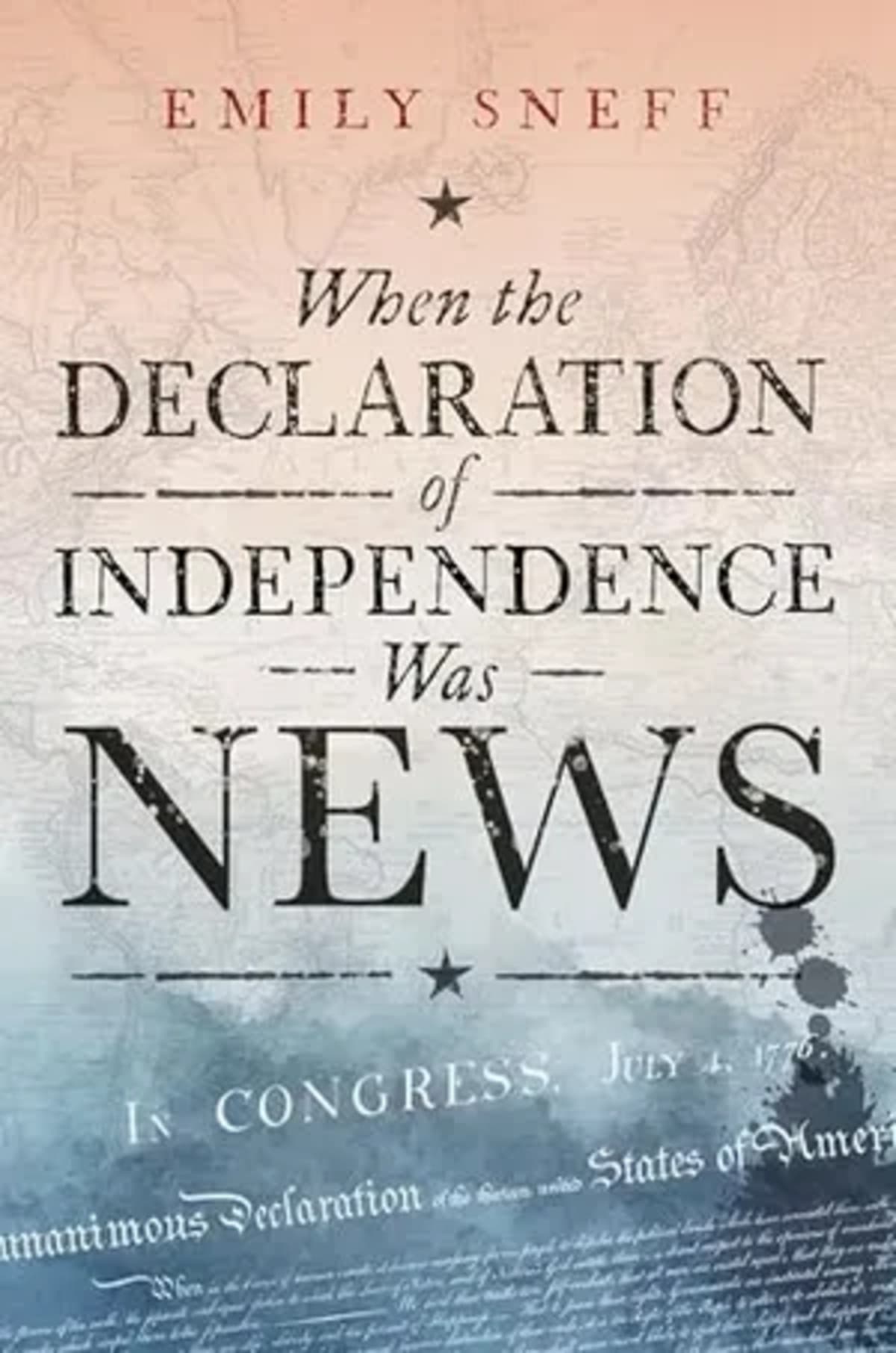
Historian Emily Sneff's new book "When the Declaration of Independence Was News" traces how different versions of the document spread between summer 1776 and winter 1777. Nearly every early copy varied in format, grammar, and design because printers adapted it for their local audiences.
One standout figure was Mary Katharine Goddard, who printed the Declaration in her Baltimore newspaper in July 1776. When Congress evacuated Philadelphia that December, they turned to Goddard to create the first broadsides listing all the signers' names. She capitalized religious references like "God" and "Divine Providence" for emphasis and proudly printed her full name at the bottom.
The Ripple Effect goes beyond famous founders to everyday people who encountered this news. A Boston merchant scribbled notes on his newspaper copy, connecting each grievance to earlier Colonial press articles. Anglican ministers annotated their versions while wrestling with how to stop preaching loyalty to the king.
Most people learned about independence not from the signed parchment we see today but from newspaper clippings, public readings, and local printings. The signed version wasn't even ordered until July 19, and most delegates didn't add their signatures until August 2, weeks after the news had already spread.
Sneff reminds us that in 1776, the Declaration "was malleable, easily combined with other pieces of information and misinformation, or overshadowed by other stories." Communications networks faced constant threats, and salacious rumors often traveled faster than official news.
An estimated 125 broadsides from July 1776 survive today, each one a reminder that our founding document reached the people through determination, trust, and the hands of courageous printers.
The Declaration succeeded not just because of what it said, but because people like Dunlap and Goddard made sure everyone could read it.
More Images
%2Fhttps%3A%2F%2Ftf-cmsv2-smithsonianmag-media.s3.amazonaws.com%2Ffiler_public%2F9b%2F81%2F9b816acb-0313-4d21-b305-371c9cdf32a3%2Ftrumbull.jpg)
%3Afocal(750x500%3A751x501)%2Fhttps%3A%2F%2Ftf-cmsv2-smithsonianmag-media.s3.amazonaws.com%2Ffiler_public%2F9b%2F81%2F9b816acb-0313-4d21-b305-371c9cdf32a3%2Ftrumbull.jpg)
Based on reporting by Smithsonian
This story was written by BrightWire based on verified news reports.
Spread the positivity!
Share this good news with someone who needs it