How Ben Franklin Made Science America's Secret Weapon
America's founders didn't just fight for independence with politics—they weaponized science to build a new nation. Benjamin Franklin and fellow revolutionaries used discoveries, inventions, and shared knowledge to create economic freedom and a lasting scientific legacy.
The signing of the Declaration of Independence 250 years ago wasn't just a political act. It sparked a scientific revolution that helped America survive and thrive as a nation.
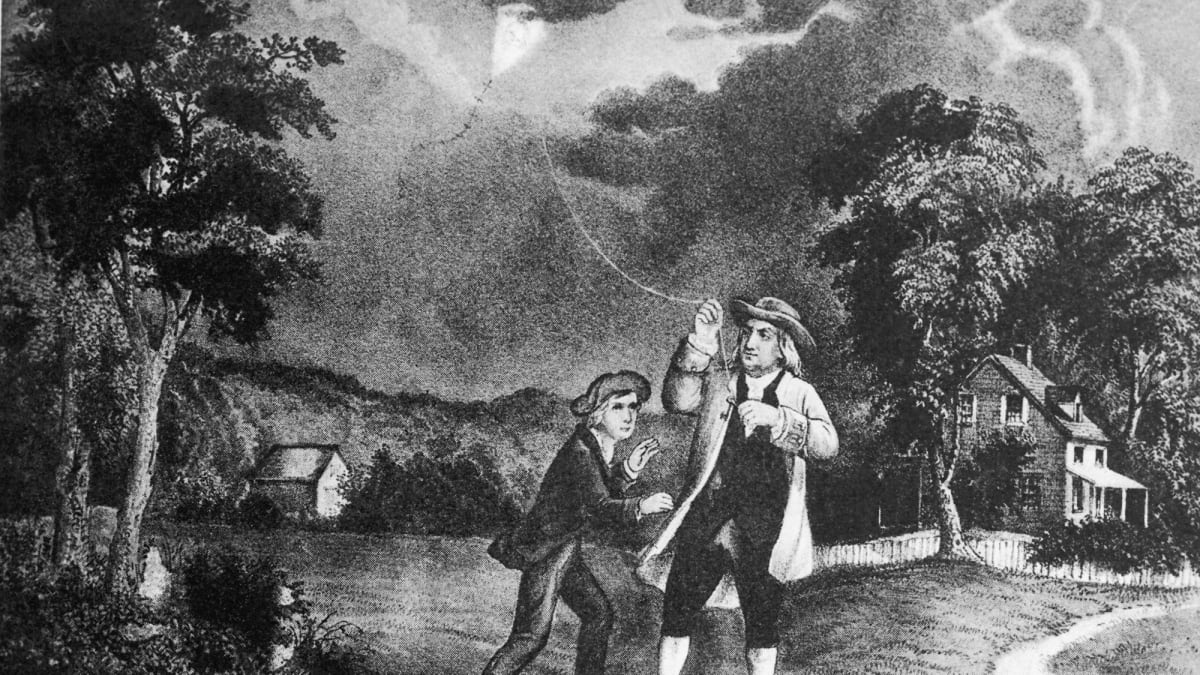
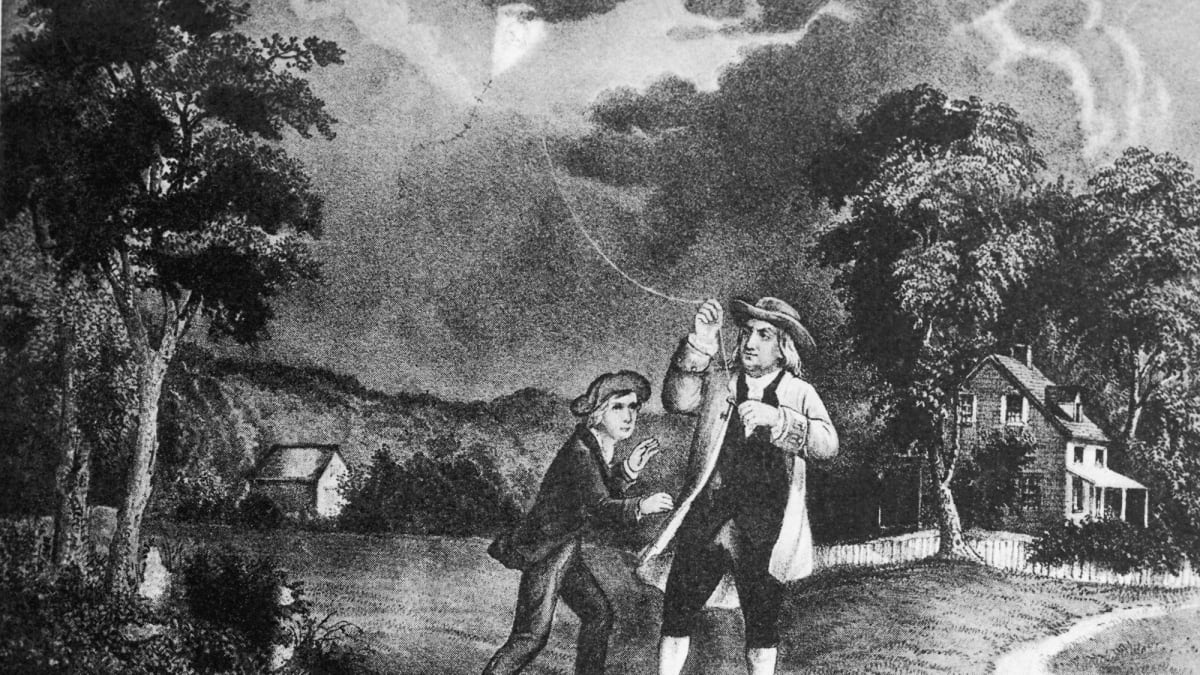
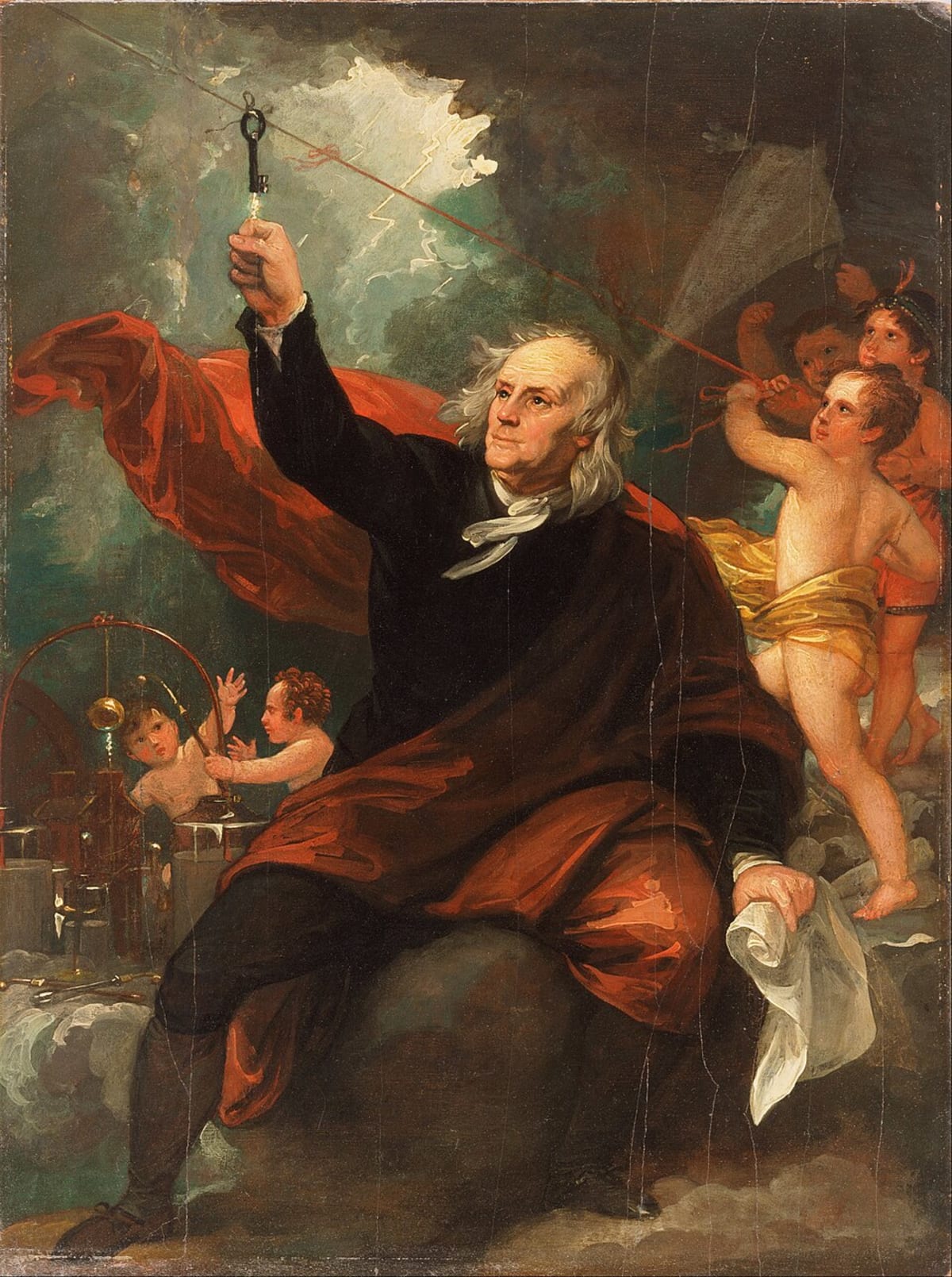
Benjamin Franklin led the charge with more than just his famous kite experiment in 1752. He invented the lightning rod, bifocals, and the flexible catheter, but his greatest contribution was making science accessible to everyone.
"America is America because of our prowess in science and innovation," says Darryl Williams, Senior Vice President of Science Education at the Franklin Institute. Franklin saw science as essential to the new nation's fabric, designed to improve the human condition.
The push for scientific independence wasn't just intellectual curiosity. It was survival. The young nation needed to break free from England economically, which meant solving practical problems like increasing crop yields and fighting agricultural pests.
Franklin founded the American Philosophical Society in 1743 with one simple goal: promoting useful knowledge. It became the oldest learned society in the United States and still publishes research today. He also started the Library Company of Philadelphia in 1731, America's first public lending library, donating books from his personal collection.
But Franklin understood something revolutionary for his time. Science only works when people can share what they learn. After his lightning experiment, he published detailed instructions in the Pennsylvania Gazette so others could reproduce his results, and they did.
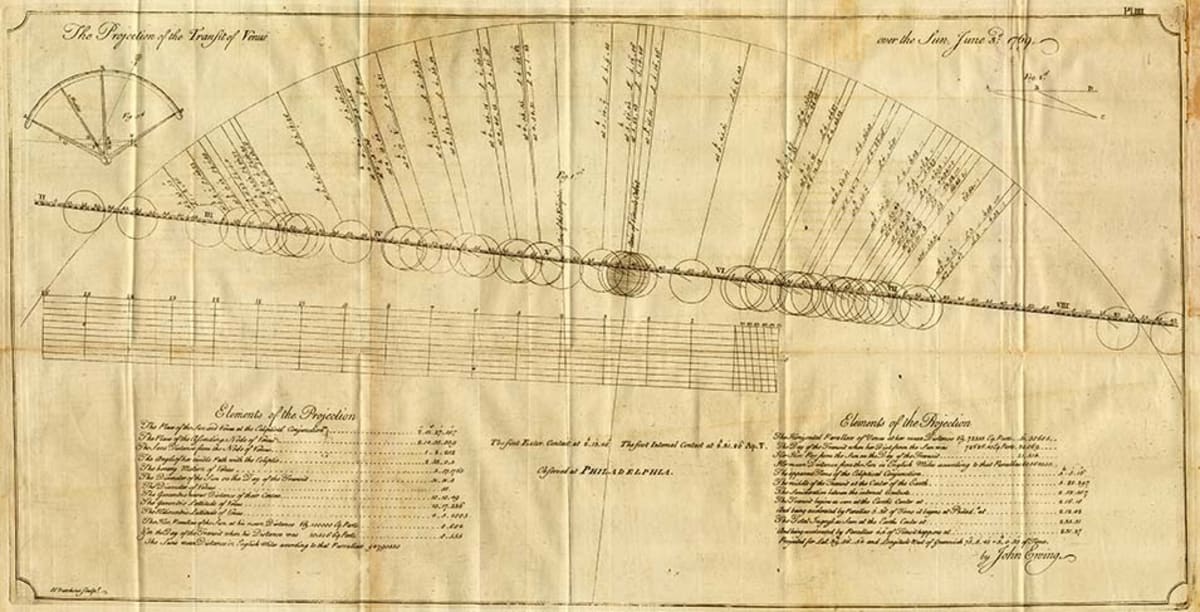
David Rittenhouse took this collaborative spirit even further. In 1769, he led American scientists in observing the Transit of Venus using a homemade telescope. Their measurements helped French astronomer Jérôme Lalande calculate the exact distance between the Sun and Earth, a measurement still used today called the astronomical unit.
The Ripple Effect
The network Franklin and his fellow scientists built didn't just help America gain independence. It created a template for how science should work: collaborative, accessible, and focused on solving real problems. The American Philosophical Society connected educated individuals across the colonies and Europe, sharing observations and data that advanced human knowledge globally.
This spirit of participatory science became woven into America's identity. What started as a practical need to achieve economic independence became a lasting commitment to scientific progress that continues 250 years later.
Today's celebration of America's semiquincentennial reminds us that our nation's strength has always come from more than military might or political savvy—it's built on the foundation of shared knowledge and scientific curiosity that Franklin and his contemporaries championed.
More Images
Based on reporting by Google: scientific discovery
This story was written by BrightWire based on verified news reports.
Spread the positivity!
Share this good news with someone who needs it