NASA Releases Cosmic Fireworks With Sound for July 4th
NASA transformed images from space telescopes into a red, white, and blue fireworks show you can both see and hear. The cosmic celebration features exploded stars, distant galaxies, and even lets you listen to the universe through special sound conversions.
NASA just turned the night sky into America's birthday party, complete with celestial fireworks that sing.
For the nation's 250th birthday, NASA scientists reimagined four stunning cosmic wonders in patriotic colors and added something extraordinary: sound. The images feature a supernova remnant, a star nursery, a spiral galaxy, and a massive galaxy cluster, all dressed in red, white, and blue using data from the Hubble Space Telescope, James Webb Space Telescope, and Chandra X-ray Observatory.
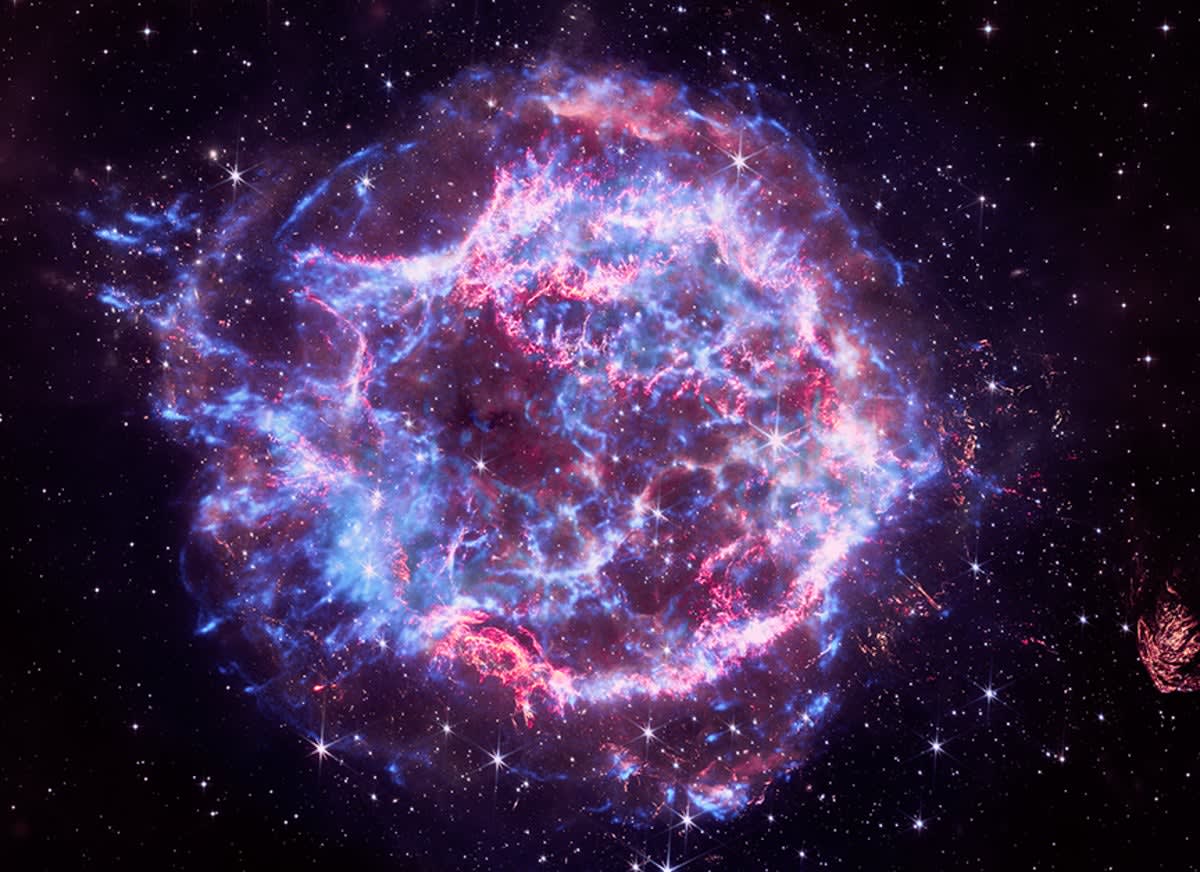
The most dramatic image shows Cassiopeia A, a star that exploded 11,000 light-years from Earth. The blue glow captures X-ray emissions from the blast wave still rippling through space, while red and white infrared reveals expanding stellar debris from the explosion.
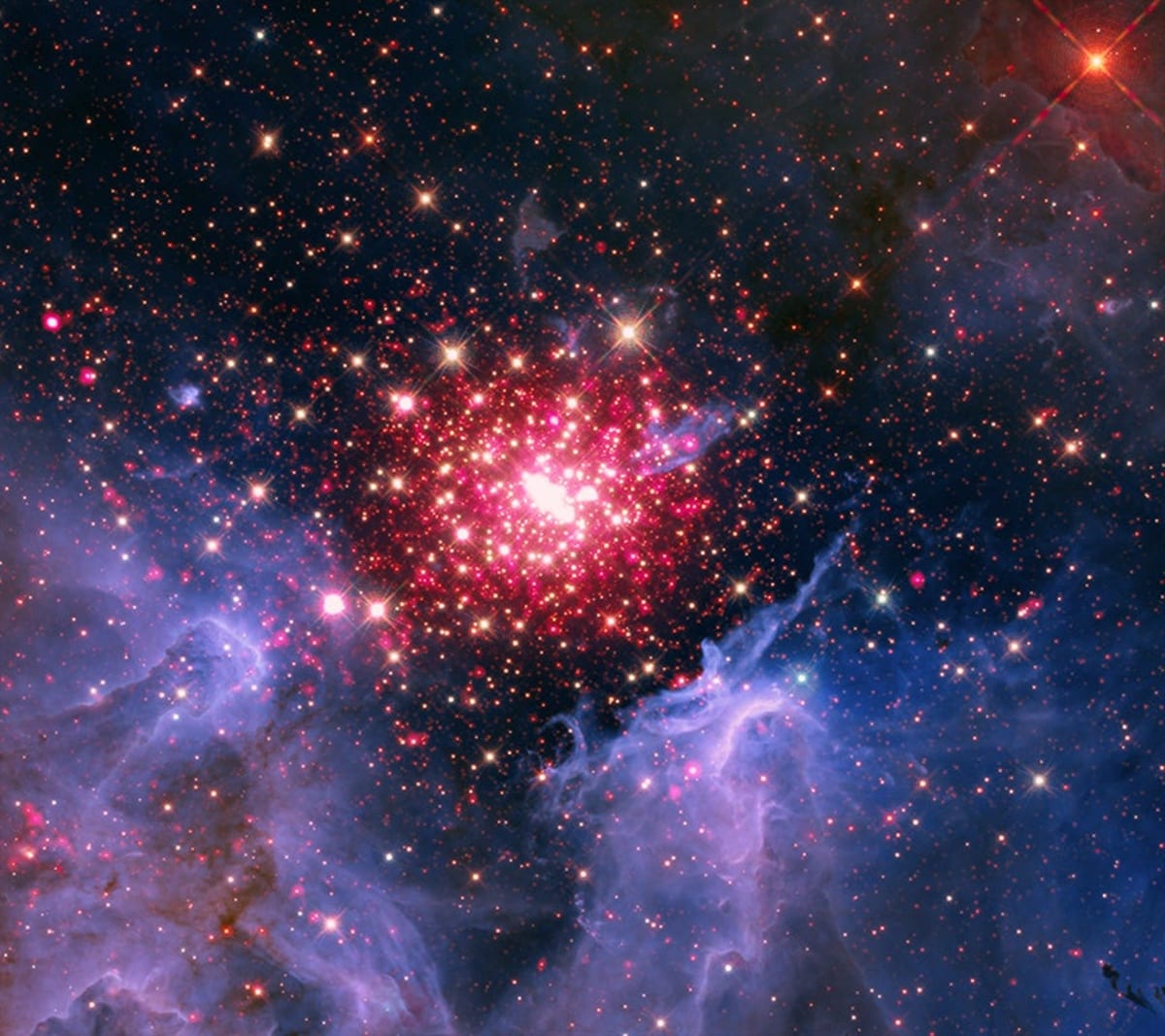
Three of the images go beyond visuals through a process called sonification, which translates cosmic data into music. In the nebula NGC 3603, a brilliant star-forming region 20,000 light-years away, neutron stars and black holes become piano notes while X-ray emissions hum in the background.
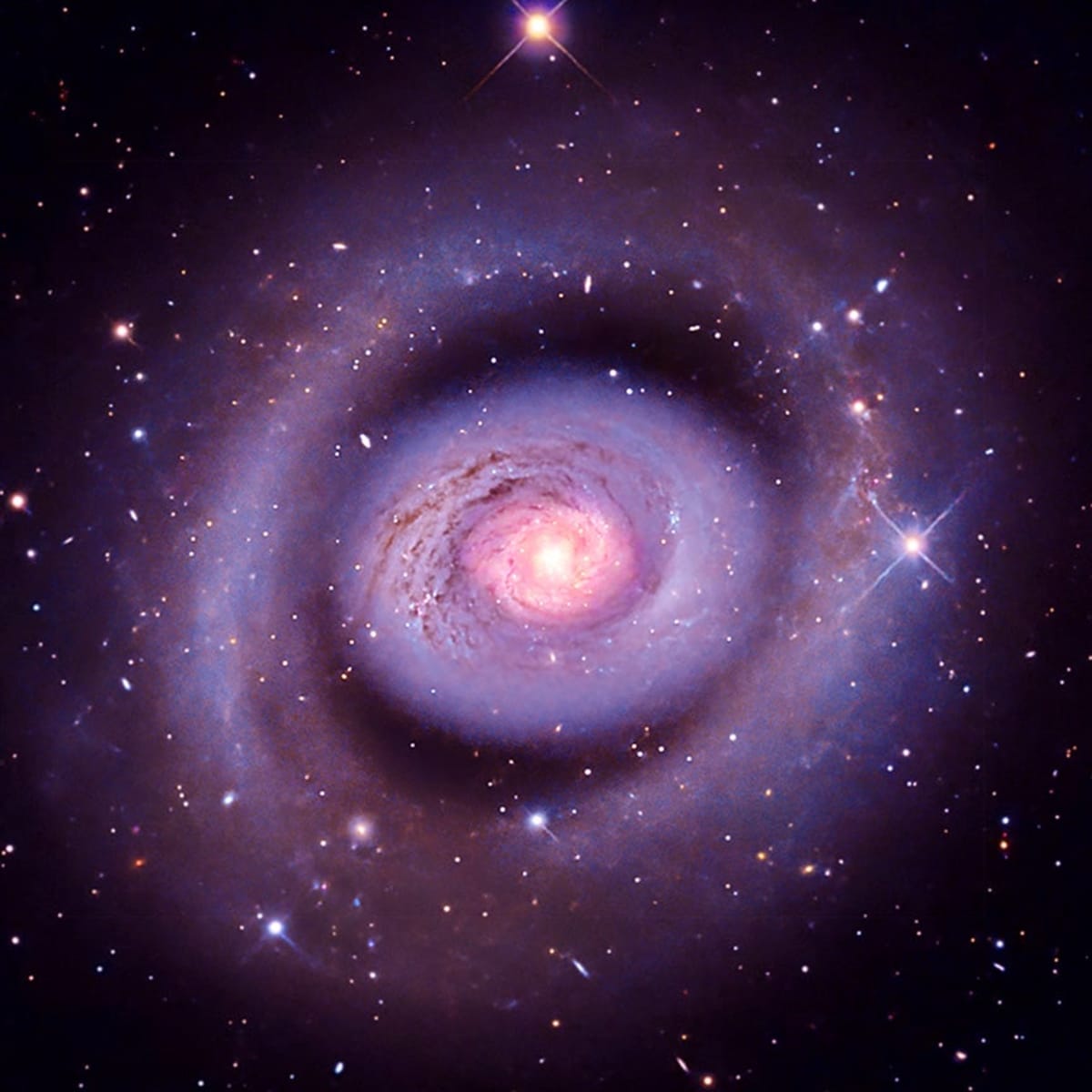
The spiral galaxy Messier 94 transforms Chandra's X-ray data into whistling wind, with dense stellar objects ringing like glass marimbas. Piano notes represent distant stars and galaxies in this cosmic symphony located 16 million light-years from Earth.
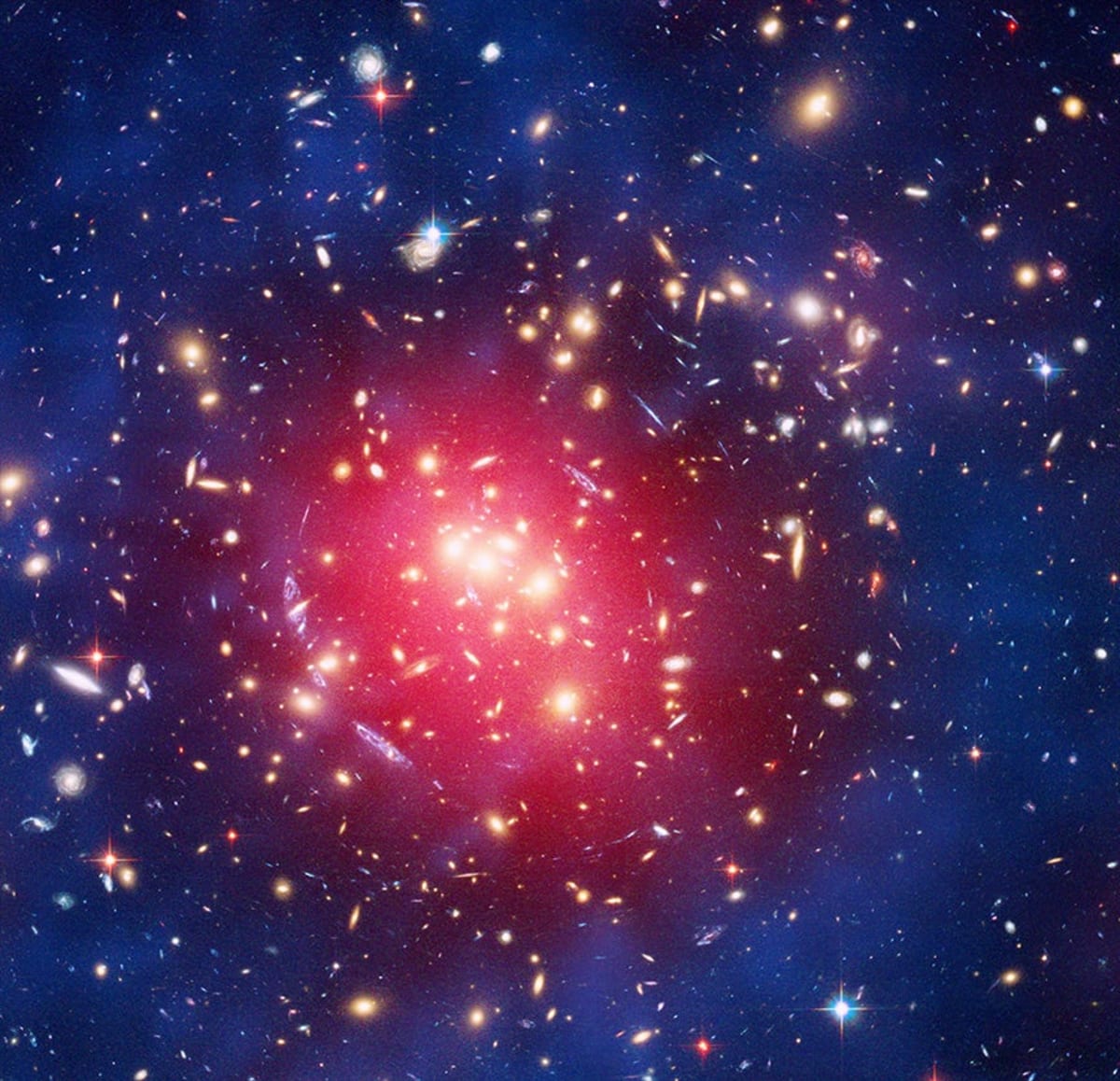
The most distant wonder, galaxy cluster ZwCl 0024+1652, sits an astounding 5 billion light-years away. This cluster features an unusual ring of dark matter that formed when two galaxy clusters collided, creating a structure unlike anything else astronomers have seen.
Why This Inspires
NASA launched its sonification program in 2020 to make space exploration accessible to blind and low-vision individuals, but the program offers everyone a chance to experience the universe through a new sense. The agency even created a tool letting anyone convert space images into their own cosmic compositions.
These aren't just pretty pictures with random sounds added. Each musical element corresponds to real astronomical features: the density of matter, the intensity of X-rays, the presence of black holes and neutron stars.
What started as an accessibility initiative has become a bridge connecting people to the cosmos in ways that pure visuals never could. When you hear the crystalline tones of a neutron star or the whistling of X-ray winds, you're experiencing the same data scientists use to understand our universe.
The celebration reminds us that while we mark 250 years of American history, we're also living in an era when humans can see across billions of light-years and translate the language of stars into something our ears can comprehend.
The universe has always been singing; we've just learned how to listen.
More Images
Based on reporting by Scientific American
This story was written by BrightWire based on verified news reports.
Spread the positivity!
Share this good news with someone who needs it