How Cuba Went From Fishing Sea Turtles to Protecting Them
For decades, Cuba harvested hundreds of tons of sea turtles annually. One marine biologist spent 40 years helping his country gradually shift from exploitation to complete protection.
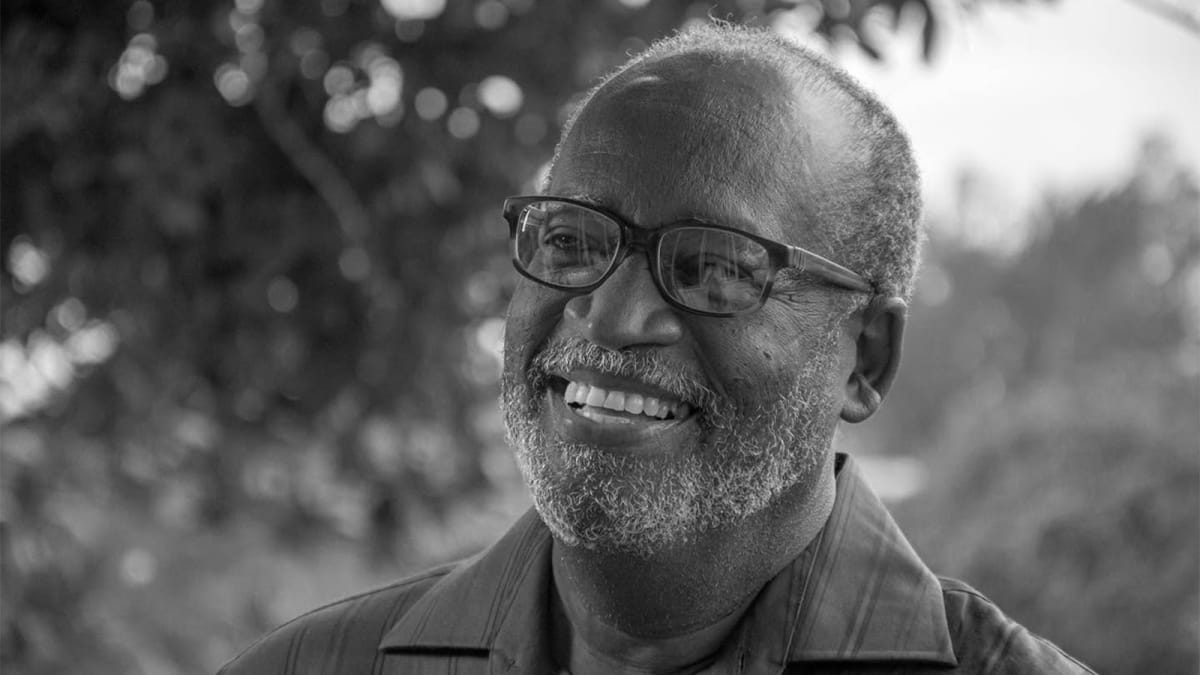
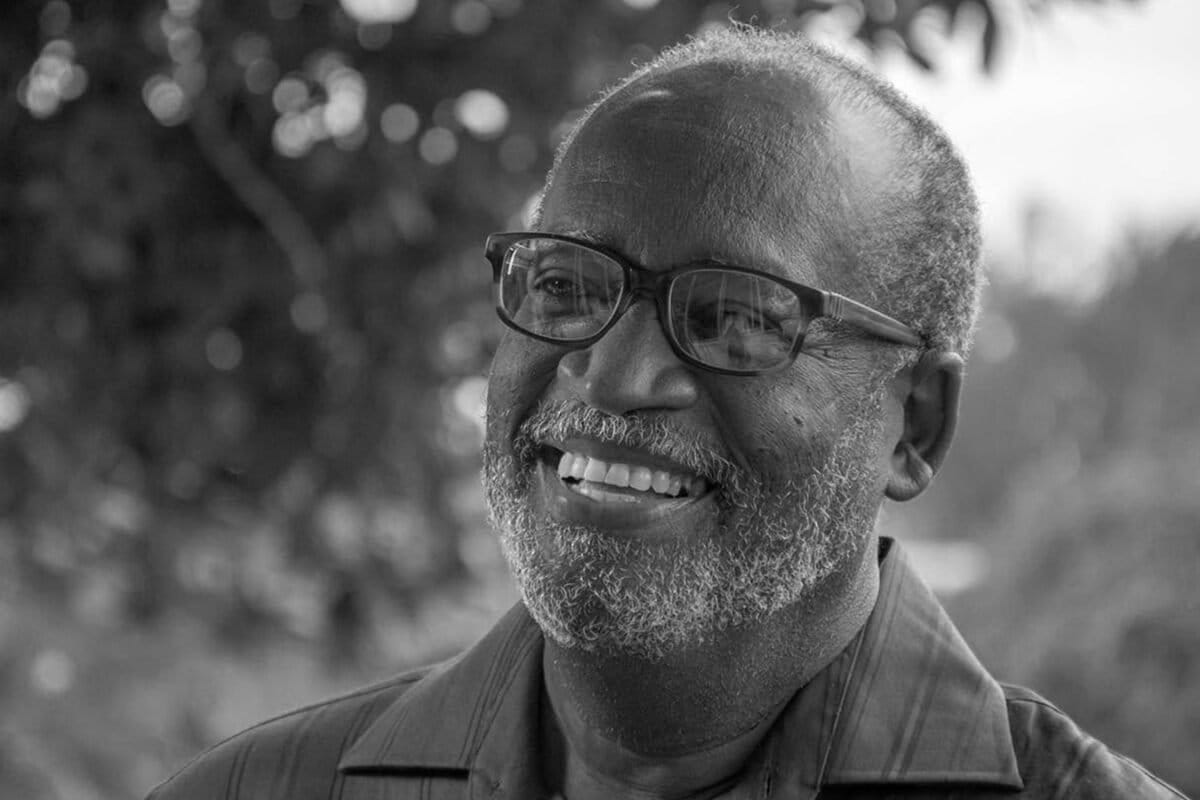
When Félix Guillermo Moncada Gavilán started his career as a marine biologist in Cuba, his country was catching 836 metric tons of sea turtles each year. By the time he passed away in June, Cuba had banned turtle fishing entirely, and he had spent four decades making that transformation possible.
In the 1980s, Cuba treated sea turtles as just another fishery. Green turtles were harvested for meat, and hawksbills for their beautiful shells used in jewelry. Research focused on how to sustain the catch, not whether the catch should continue.
Moncada joined Cuba's Fisheries Research Center with what he called "more enthusiasm than certainty." He had little preparation time and countless demands to meet. But colleagues remembered that any mention of marine turtles made his face light up, and he would immediately start explaining them with infectious passion.
As his research deepened, the evidence pointed toward protection rather than exploitation. Moncada helped Cuba take gradual steps: first establishing minimum size limits, then implementing quotas, and finally restricting legal fishing to just two traditional communities. By 2008, the annual catch had dropped from 836 tons to less than 15 tons, and Cuba closed the fishery completely.
The 2011 regulation went even further, prohibiting all capture, use, or trade of sea turtles except for research and conservation. Moncada understood that national laws could only protect part of these migratory animals' journeys. A turtle might nest on a Cuban beach but feed in another country's waters, making regional cooperation essential.
He became Cuba's coordinator for WIDECAST, the Caribbean conservation network, connecting Cuban researchers with colleagues across the region. His tagging and monitoring work tracked turtles beyond Cuba's shores, revealing their migration patterns throughout the Caribbean. Between 1994 and 2021, he contributed to 40 of the 78 publications on Cuban sea turtle research, making him the field's most prolific author.
The legal ban didn't end all threats. Poaching continued, fishing nets still caught turtles accidentally, and black markets sold meat and shell. Moncada's later work documented these illegal activities, shifting from regulating legal fishing to understanding what happened outside the law.
He trained students and field workers, led workshops, and co-authored national assessments that expanded turtle research beyond his center to universities, protected areas, and volunteer groups. Even in his later years, spending more time in offices than on boats, his passion never dimmed.
Why This Inspires
Moncada's career shows how lasting change happens: gradually, backed by evidence, and driven by people who never lose their sense of wonder. He didn't demand overnight transformation but built a case so compelling that Cuba went from harvesting hundreds of tons of turtles to protecting every single one. His work proves that even industries built on extraction can evolve toward conservation when scientists combine rigorous research with patient advocacy.
Until his final days, the mention of sea turtles still made him smile.
More Images


Based on reporting by Mongabay
This story was written by BrightWire based on verified news reports.
Spread the positivity!
Share this good news with someone who needs it