Tiny Raccoon Invented Trash Toy, Taught Family Before Death
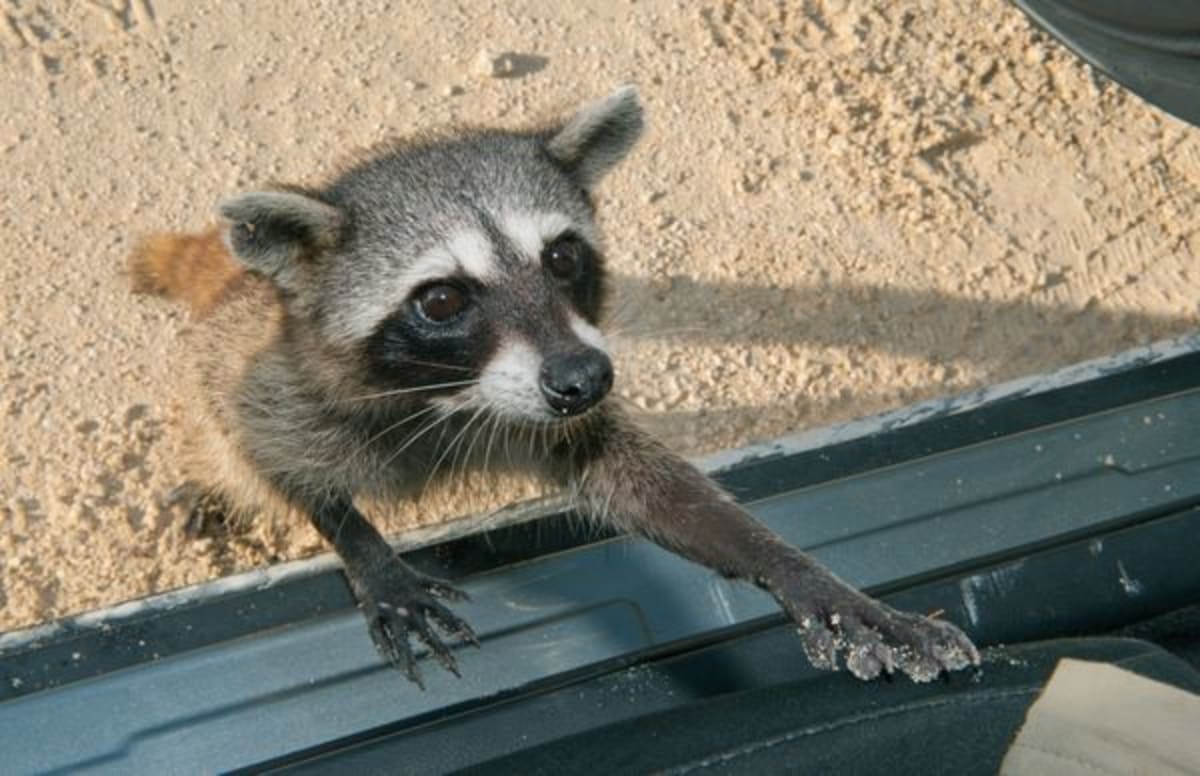
A critically endangered pygmy raccoon turned a receipt into a toy and taught her family to do the same, showing raccoons can pass knowledge to others. Scientists say this first-ever proof of raccoon "material culture" could change how we protect these playful, intelligent animals. #
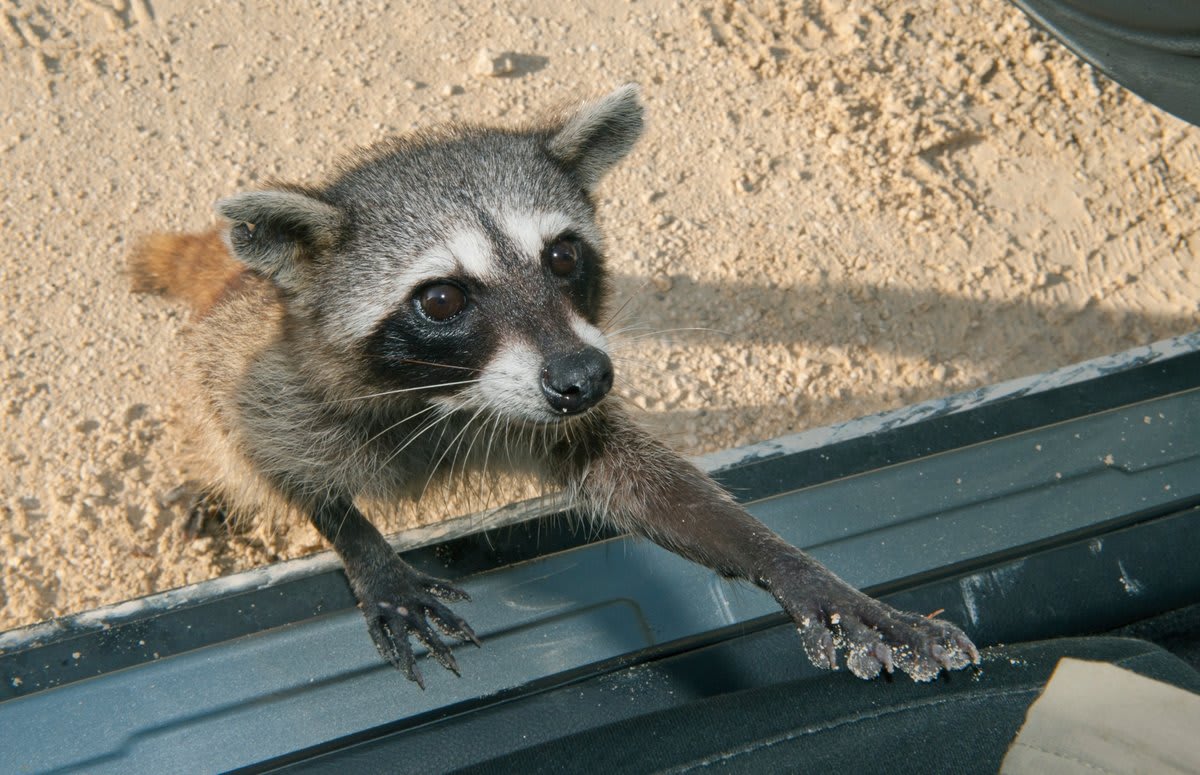
A young pygmy raccoon made scientific history by turning a paper receipt into a toy and teaching her family to play with it too.
Graduate student Nessie O'Neil was studying these critically endangered raccoons on Mexico's Cozumel Island last January when she noticed something unusual. One young raccoon had picked the wrong trash bin—grabbing a receipt from paper waste instead of her family's usual food scraps.
The raccoon dunked the receipt in water, rolled it in sand, and patted it into a ball. Then she batted it across the ground like a toy, clearly playing.
O'Neil thought it was adorable. Her research advisor realized it was groundbreaking.
What happened next turned a cute moment into science. The raccoon's mother and sister watched her play, then joined in batting the ball around. They even tried making their own paper toys with varying success.
This marks the first time any raccoon or their relatives—a family including coatis and ringtails—has been documented showing "material culture." That's when animals create or use objects and pass that knowledge to others.
Scientists have seen chimps, pigs, and dolphins teach family members to use tools for getting food. But this playful paper ball represents something new for raccoon research.
Anthrozoologist Michelle Szydlowski, who co-authored the study published in the journal Wild, was fascinated by how quickly the behavior spread. "It became a social activity rather than just a tactile experience for one individual," she says.
Tragically, the innovative young raccoon died shortly after from malnutrition and toxic exposure to human trash. But her legacy lived on—her sibling kept making paper balls even after she was gone.
Why This Inspires
Psychologist Michael Kisley from the University of Colorado Colorado Springs says we often assume animals can't do things just because we haven't seen them do it. Although raccoons are often dismissed as pests, they're actually "socially conscious, playful, learning beings."
This discovery does more than expand our understanding of raccoon intelligence. It could transform how seriously we take their conservation.
These pygmy raccoons exist only on Cozumel Island, making them critically endangered. Learning about their complex thinking and social learning could inspire better protection efforts.
One young raccoon's creativity with trash taught scientists—and her family—that these animals deserve our attention and care.
#
More Images


Based on reporting by Scientific American
This story was written by BrightWire based on verified news reports.
Spread the positivity!
Share this good news with someone who needs it