How 'Domino Chain' Donations Are Saving Kidney Patients
A chance conversation in a Louisiana bar led to two kidney transplants, thanks to an innovative "voucher" system that's revolutionizing organ donation. These domino chains are helping thousands of patients skip years on waitlists.
Mark Scotch walked into a bar in 2020 and walked out determined to give a stranger his kidney.
He'd just met Hugh Smith, who mentioned spending 10 hours every night on dialysis. Without hesitation, the 64-year-old Scotch offered to donate. His sister-in-law had donated a kidney before, so he knew people could live perfectly well with just one.
But doctors suggested something even better. Instead of traveling from Wisconsin to Louisiana for the surgery, Scotch could donate his kidney locally to someone else. In exchange, Smith would jump to the top of the transplant waitlist in his area through a "voucher" program.
The arrangement meant both donor and recipient could get optimal medical matches. Scotch could also receive follow-up care at his local hospital instead of traveling back to Louisiana repeatedly.
In late 2020, Scotch's kidney went to a stranger he's never met. Five months later, Smith received his own life-saving transplant from another donor.
The Ripple Effect
More than 90,000 Americans currently wait for kidney transplants, and up to 17 people die every day while waiting. Kidney disease ranks among the 10 leading causes of death worldwide.
Traditional living donation has a major roadblock: about one-third of willing donors aren't compatible with their intended recipients. Blood type mismatches and other medical factors can disqualify even the most eager helpers.
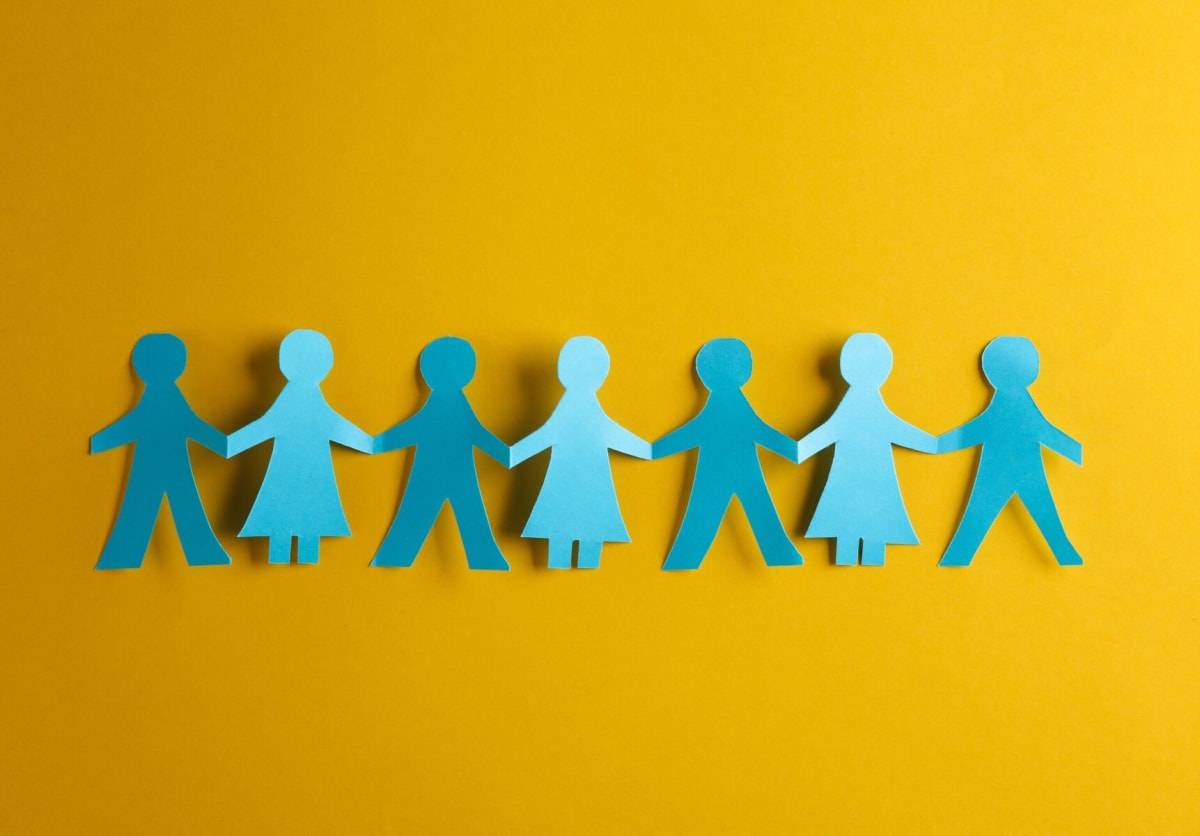
That's where these "domino chains" come in. When incompatible donor-recipient pairs join a registry, sophisticated algorithms can match them with other pairs facing the same problem. One person's incompatibility becomes the solution for someone else.
These kidney exchanges are expanding access beyond family and friends. Only about 500 Americans donate kidneys to complete strangers each year, and many countries ban the practice entirely due to medical risks. But voucher programs and paired exchanges create pathways that feel safer and more purposeful for donors.
The Scotches became passionate advocates after their experience. Mark's wife Lynn later donated her own kidney, and Mark donated part of his liver too. They'd lost their first son at 15 months and always regretted not donating his organs.
Meeting Smith decades later felt like a second chance.
More Images

Based on reporting by Reasons to be Cheerful
This story was written by BrightWire based on verified news reports.
Spread the positivity!
Share this good news with someone who needs it