How Industrial Waste Became a Kitchen Staple in the 1940s
Earl Tupper saw treasure in what others threw away, transforming oily plastic waste into the food storage containers that revolutionized American kitchens. His story proves that innovation often starts with seeing possibility where everyone else sees garbage.
In the early 1940s, oil refineries dumped black, oily plastic sludge as worthless waste. Earl Tupper, a former tree surgeon turned inventor, saw something everyone else missed.
Tupper hauled the smelly industrial scraps to his home workshop and started experimenting. With his young son helping, he spent years boiling and testing the brittle chunks of polyethylene to understand how heat and pressure changed the material.
After countless messy failures, he cracked the code. Tupper figured out how to purify the discarded plastic into a translucent, odorless material that could be molded into any shape. He became one of the first people to successfully recycle industrial waste into something useful for everyday life.
But creating flexible plastic was only half the battle. The real genius came from an ordinary trip to the hardware store when Tupper noticed something clever about paint can lids.
Paint cans used a special lip design that created a seal to keep paint from drying out. Tupper borrowed this idea and engineered a flexible lid that created a vacuum seal when pressed down, making a distinctive burping sound as air escaped.
This technical breakthrough meant food could stay fresh far longer than in traditional ceramic or glass containers. The seal was so effective that it eventually became a standard in modern packaging science.
The product initially flopped because people couldn't understand how the strange-looking lids worked. Only when saleswoman Brownie Wise started demonstrating the burp seal directly in people's homes did sales take off.
The Ripple Effect
Post-war America was hungry for durable, practical products, and Tupperware delivered. The containers were lightweight enough to handle easily, tough enough to survive kitchen accidents, and represented a new era of smart, functional design.
Museums of modern art eventually featured the design alongside celebrated works. What started as forgotten factory waste had become a cultural icon, proving that revolutionary products often come from the most unlikely places.
Tupper's story reminds us that waste is sometimes just potential waiting for the right vision.
More Images
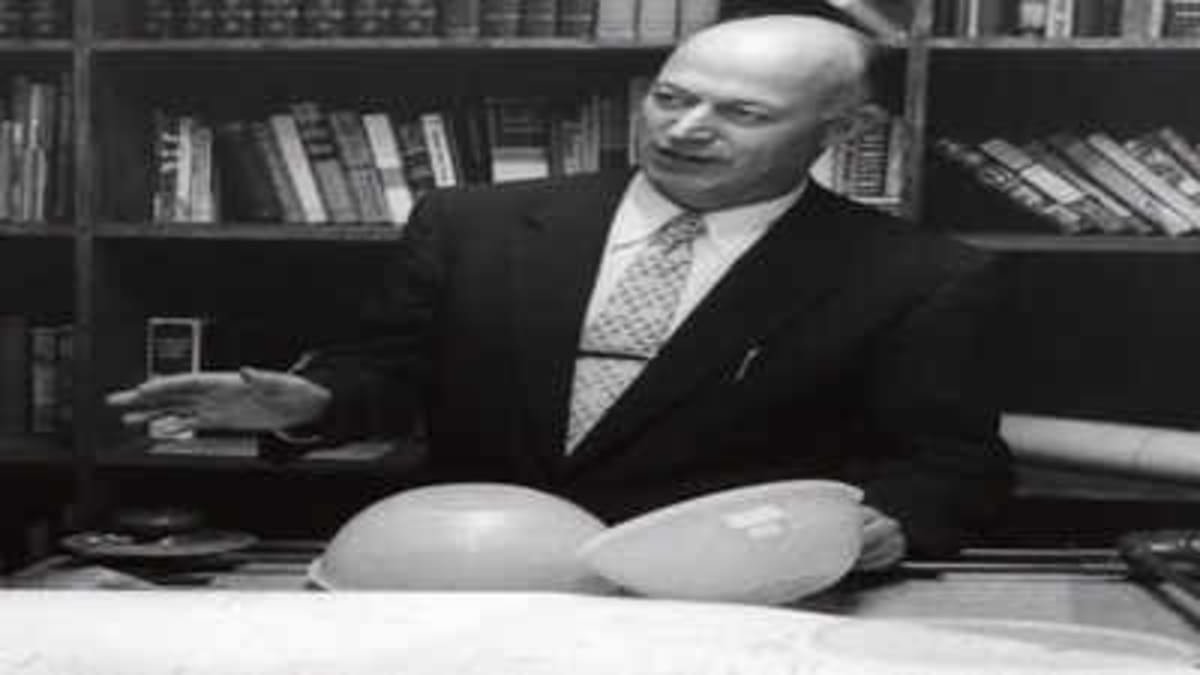



Based on reporting by Times of India - Good News
This story was written by BrightWire based on verified news reports.
Spread the positivity!
Share this good news with someone who needs it