How Pokémon Shaped Brain Science Over 30 Years
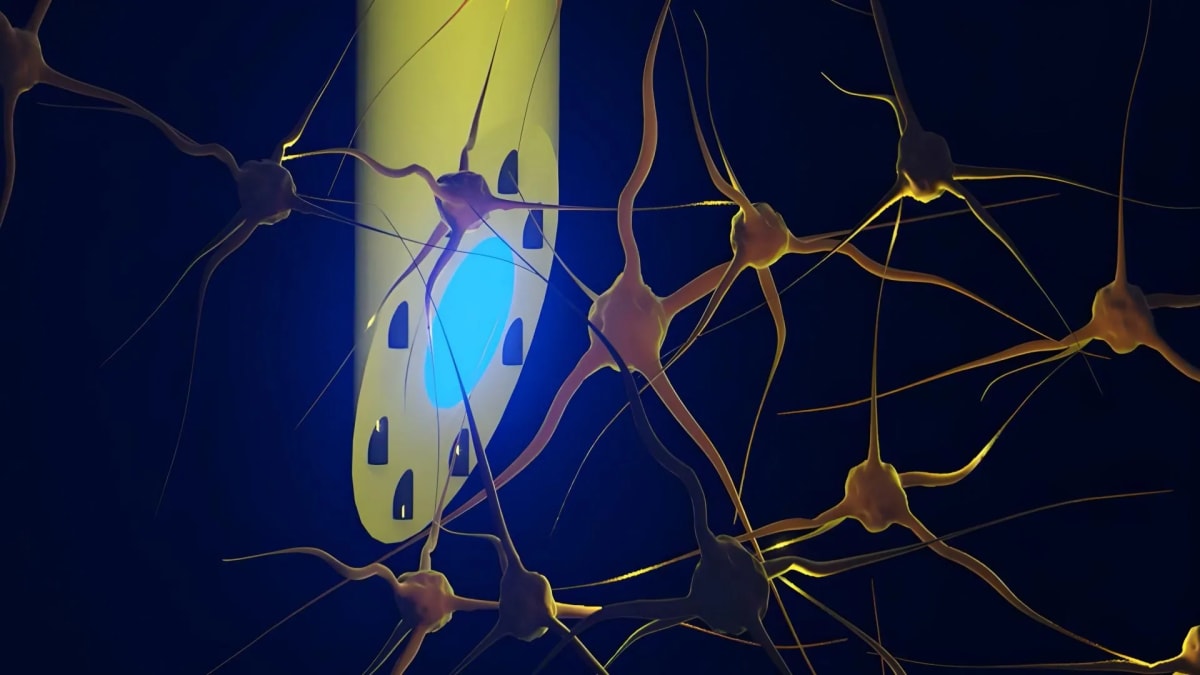
Scientists discovered that a childhood spent with Pokémon actually changed how our brains are organized, offering a rare window into how shared experiences shape neural development. The beloved franchise has become an unexpected gift to neuroscience research. ##
Growing up catching Pikachu and Charizard didn't just shape your memories. It literally shaped your brain.
As Pokémon celebrates its 30th anniversary, neuroscientists are marking another milestone. The franchise has provided researchers with something incredibly rare: a natural experiment showing how childhood experiences influence brain organization across millions of people worldwide.
The global phenomenon created a unique research opportunity. An entire generation shared nearly identical visual experiences during critical developmental years, giving scientists a controlled way to study how the brain adapts and organizes itself.
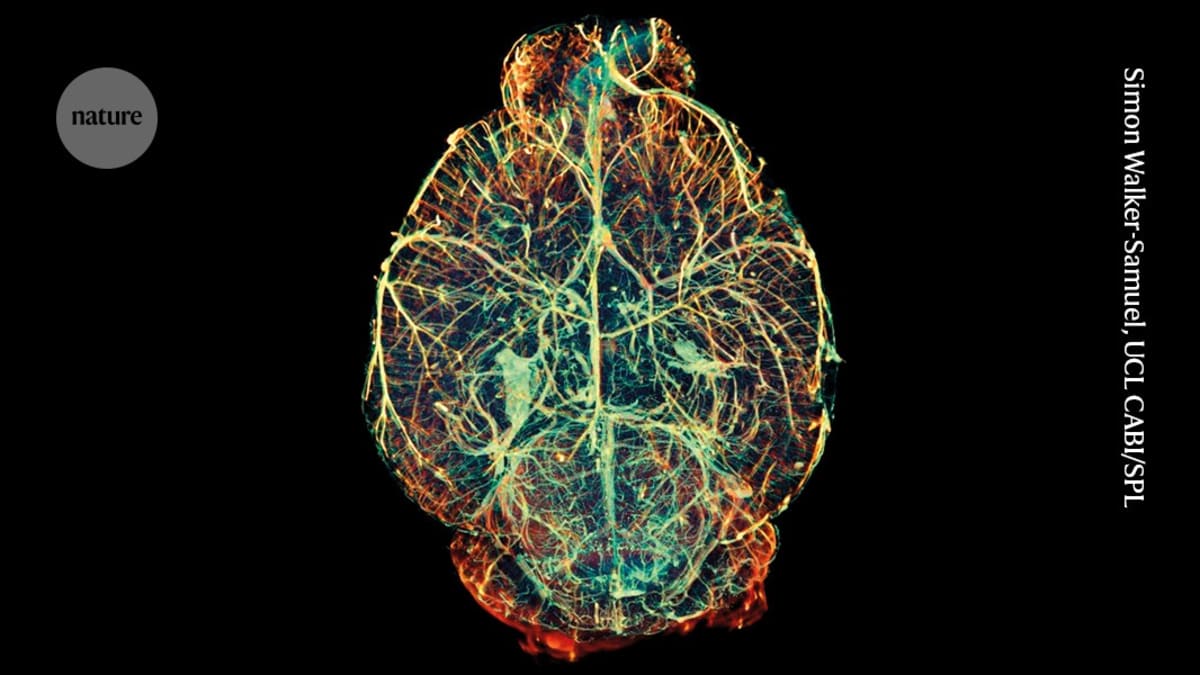
Researchers found that people who played Pokémon as children show distinct patterns of brain activity when viewing the characters as adults. These patterns appear in specific regions of the visual cortex, demonstrating how early, intensive exposure to particular images can create lasting neural structures.
This goes beyond simple memory. The findings reveal fundamental truths about brain plasticity and development during childhood, when neural pathways are still forming and adapting to the world around us.
The research has influenced multiple scientific fields. Beyond neuroscience, Pokémon has sparked studies in ecology, evolution, and even research integrity, according to Nature journal.
Why This Inspires
What makes this discovery so exciting is what it tells us about human potential. Our brains remain remarkably adaptable during childhood, capable of developing specialized processing for whatever captures our attention and imagination.
The research also validates something parents and educators have long suspected. The experiences we provide children during their developmental years genuinely matter at a biological level, shaping not just what they know but how their brains process information.
Scientists now have a roadmap for understanding how other shared cultural experiences might influence cognitive development. From learning to read to playing musical instruments, researchers can apply these Pokémon findings to study how different childhood activities shape neural organization.
The work demonstrates how developmental neuroscience can find insights in unexpected places. Sometimes the best natural experiments come not from labs but from the culture around us.
For the millions who grew up hunting pocket monsters, there's something poetic about it. Those hours spent gaming weren't just entertainment but an inadvertent contribution to science, helping researchers understand the remarkable plasticity of the developing brain.
Three decades later, Pokémon continues teaching us new things about ourselves, one neuron at a time.
##
More Images


Based on reporting by Nature News
This story was written by BrightWire based on verified news reports.
Spread the positivity!
Share this good news with someone who needs it