How Spain's World Cup Win Shows Hospitals What Really Works
A physician watched Spain's teamwork triumph over Argentina's star power and realized American hospitals are making the same mistake. The lesson? Systems beat superstars every time.
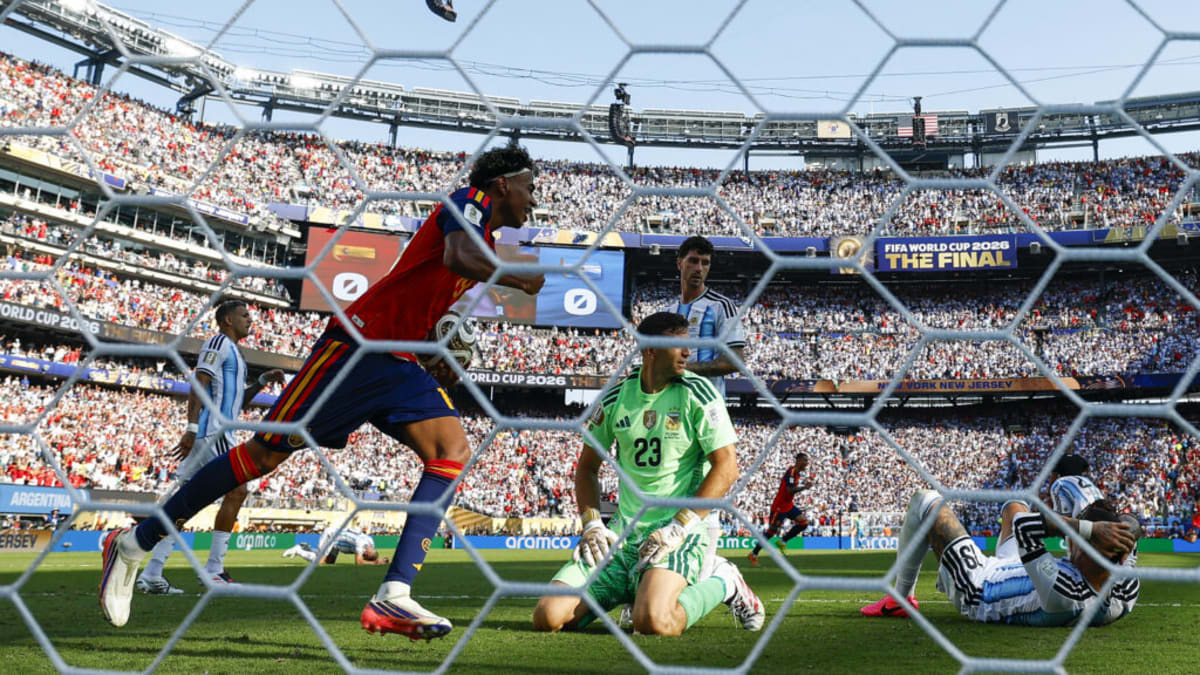
When Spain defeated Argentina 1-0 in the 2026 World Cup final, physician Basel Tarab saw something more than a soccer match. He saw exactly what's wrong with American hospitals.
Argentina had returned with the same winning formula from 2022: coaching legend, captain Lionel Messi, and a roster of champions. But at 39, even Messi's brilliance couldn't carry a team that had stopped evolving. Argentina didn't manage a single shot on target all game, relying entirely on their aging superstar to produce magic.
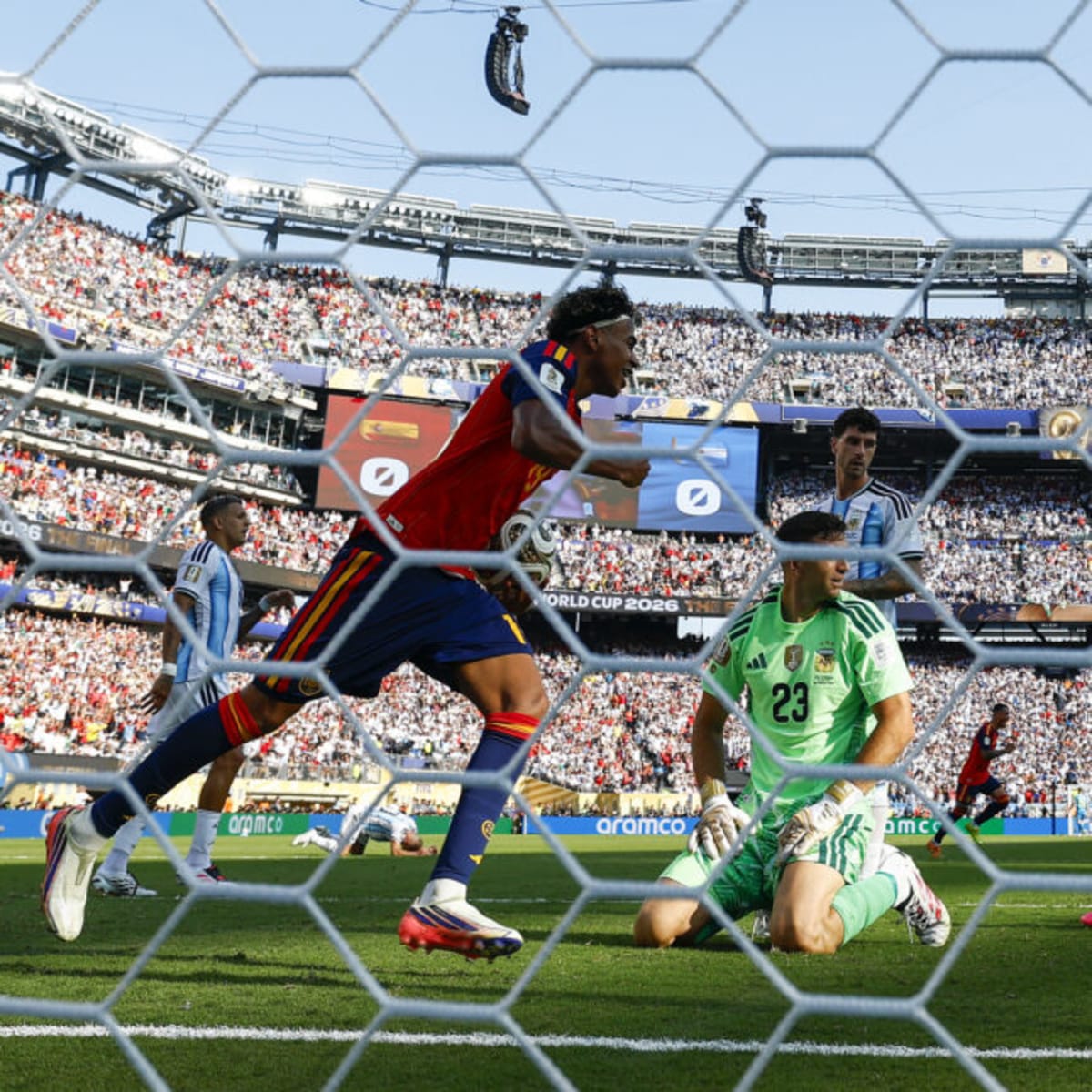
Spain told a different story. Their players moved as one unit, creating chances through collective effort rather than individual heroics. They had stars like 19-year-old Lamine Yamal, but nobody tried to win alone.
Tarab realized hospitals make Argentina's exact mistake. We keep the same leaders, repeat the same improvement plans, and rely on exceptional individuals who delivered success before. Every hospital wants its own Messi: the brilliant surgeon, the influential department chair, the administrator who can rescue everything through sheer excellence.
But patients don't experience one clinician. They experience whether the nurse understands the plan, whether the pharmacist catches errors, whether information reaches the discharge team on time. A patient might stay an extra day not because their doctor failed, but because the team collectively failed to communicate.
The strongest hospitals aren't those with the most celebrated physicians. They're the ones where information moves smoothly enough that no single person has to keep rescuing everyone else.
Why This Inspires
Argentina's 2022 victory actually proves Tarab's point. Messi didn't win that tournament alone; he succeeded because Argentina built a functioning team around him. Organizations respond to success by preserving visible components (the stars, the structure) rather than examining what made success possible in the first place.
The post-match scenes revealed another truth. After finishing with 10 players following a red card, Argentina's team turned their backs on Spain during the trophy ceremony, sparking a confrontation FIFA is now investigating. Past success doesn't exempt anyone from accountability.
High-performing organizations must know how to lose gracefully. They acknowledge when processes fail, when another team performed better, or when old strengths become new limitations. That's not weakness but the beginning of improvement.
Excellence isn't inherited. It must be rebuilt constantly, whether you're defending a World Cup title or caring for patients who deserve systems that work even when the superstar isn't in the room.
More Images



Based on reporting by STAT News
This story was written by BrightWire based on verified news reports.
Spread the positivity!
Share this good news with someone who needs it