How the Arts Keep Your Brain Young and Healthy
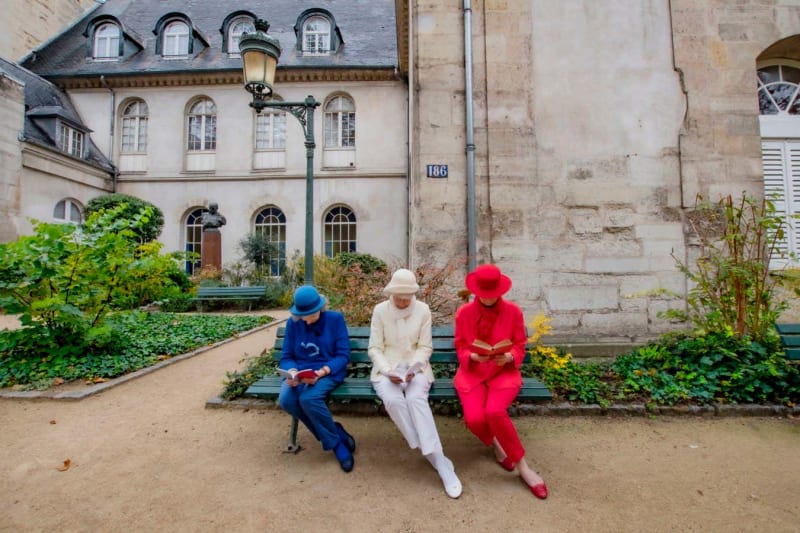
Scientists now have proof that singing, dancing, reading, and other arts activities trigger powerful biological changes in our bodies. Regular arts engagement can literally slow down aging and reduce disease risk.
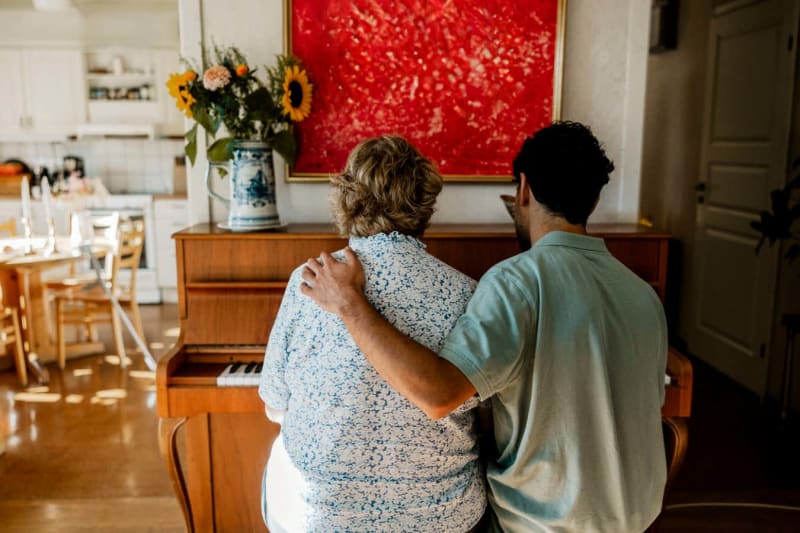
A hospital patient with dementia couldn't recognize her own family. But when a pianist played The White Cliffs of Dover, she sang every word perfectly and talked about her childhood for the first time in months.
Moments like this led Dr. Daisy Fancourt to spend over a decade researching why the arts have such powerful effects on our health. What she discovered might change how we think about staying healthy.
When we read a book, listen to music, or dance, our bodies respond in measurable ways. Our brains release dopamine, the pleasure hormone. Our heart rate and blood pressure drop. Stress hormones decrease while our immune system gets stronger.
The changes go even deeper. Brain scans show that people who regularly engage with the arts develop more grey matter in areas controlling memory and learning. Their genes literally express differently, turning down stress responses and turning up cognitive functions.
Keep up these activities for months or years, and something remarkable happens. Your biological age starts to differ from your chronological age. New "aging clocks" that measure how fast our bodies are aging show that people who regularly participate in the arts stay biologically younger.
The health benefits are real and lasting. People who regularly engage with the arts have lower rates of depression, chronic pain, frailty, and even dementia. These effects hold true even after accounting for wealth, lifestyle, and medical history.
Hospitals are already putting this science to work. Stroke patients regain speech through singing classes. Children with cerebral palsy improve hand function at magic camps. People with Parkinson's disease find better mobility through dance.
Some studies show music works better than anti-anxiety medication before surgery, without the side effects. A child with burns didn't need morphine once performers arrived. A stroke patient's walk became faster and smoother the moment he put on headphones.
The Bright Side
Dr. Fancourt is careful to note that arts aren't a cure-all, and some programs can even cause harm if poorly designed. But the growing evidence is too strong to ignore.
If a pharmaceutical drug offered the same benefits as playing an instrument, taking a dance class, or joining a choir, doctors would prescribe it immediately. The good news? You don't need a prescription to start.
The science is clear: making time for creativity and culture isn't just entertainment, it's one of the most powerful health interventions available.
More Images

Based on reporting by New Scientist
This story was written by BrightWire based on verified news reports.
Spread the positivity!
Share this good news with someone who needs it