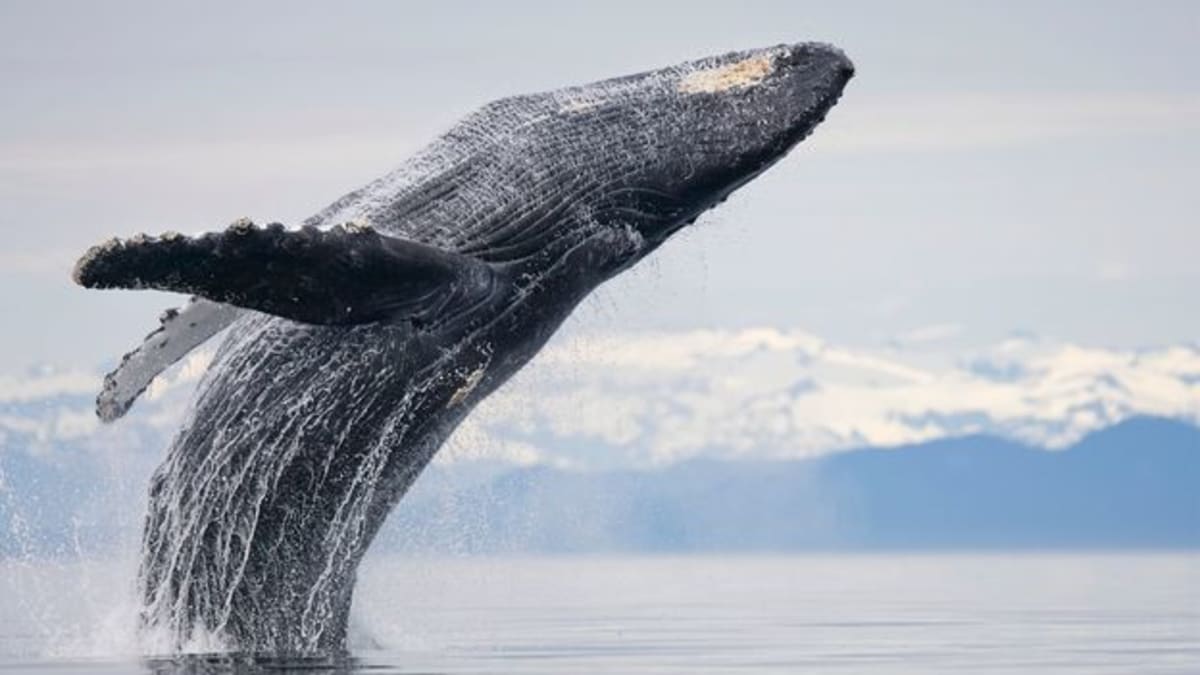
How Whale Songs Sparked a Movement That Saved a Species
A 1970 album of haunting whale recordings became the best-selling nature album in history and transformed humpback whales from hunted creatures into beloved icons worth protecting. The sounds that captivated millions started with a Cold War engineer listening for Soviet submarines.
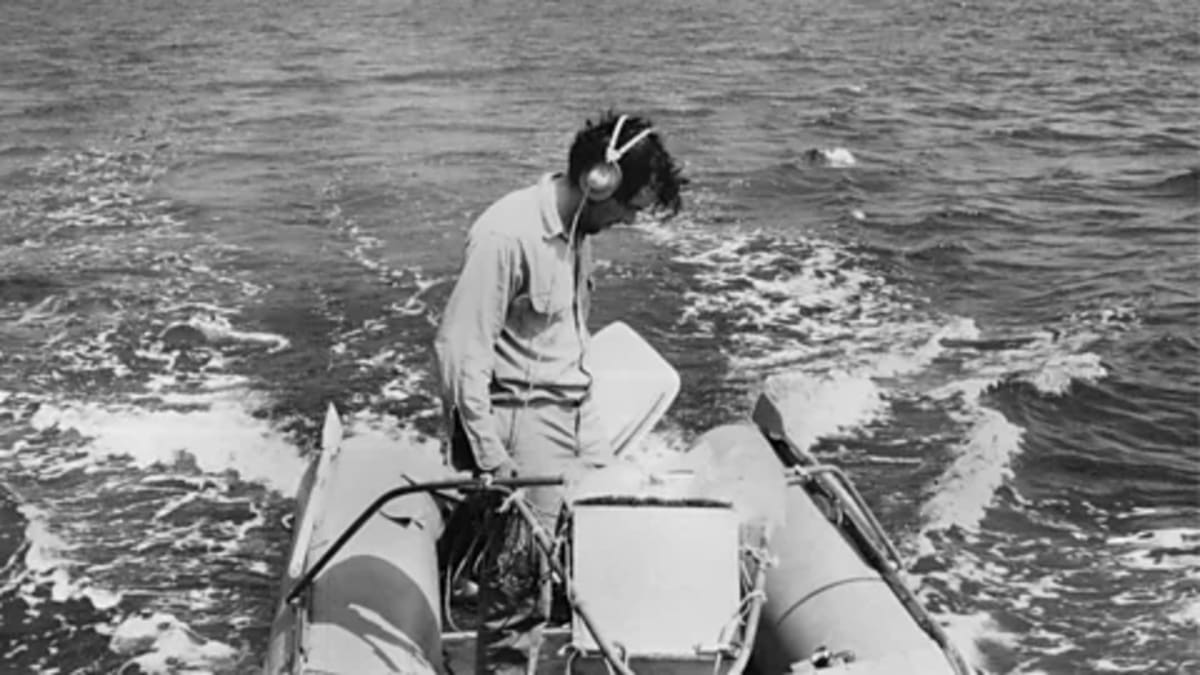
In 1952, Frank Watlington was stationed off Bermuda's coast listening for Soviet submarines when he heard something that would change conservation forever. The mournful, mysterious sounds continued for hours, and the sonar engineer suspected they came from humpback whales.
He was right. Watlington began sharing his underwater recordings with anyone curious enough to listen, and in 1967 he met acoustic biologists Katy and Roger Payne. When he played them the recordings in the roaring engine room of his old minesweeper research vessel, they were stunned.
"The most extraordinary, amazing acoustic performance I'd ever heard from any animal," Roger later recalled. The couple discovered something remarkable: these weren't random noises but organized, repeating patterns that lasted up to half an hour. By definition, the whales were singing.
This was an enormous leap in how humans understood whales. Most people knew whales made sounds, but realizing they produced elaborate, organized songs changed everything. Roger Payne, a dedicated environmentalist, immediately grasped the power of what he'd discovered.
He played the recordings everywhere: at protests, conferences, and dinner parties. His colleagues remember him like an excited kid with a new toy, eager to share how these creatures were "singer-poets, composers." Apart from humans and birds, no one thought animals sang, especially not for such extended performances.
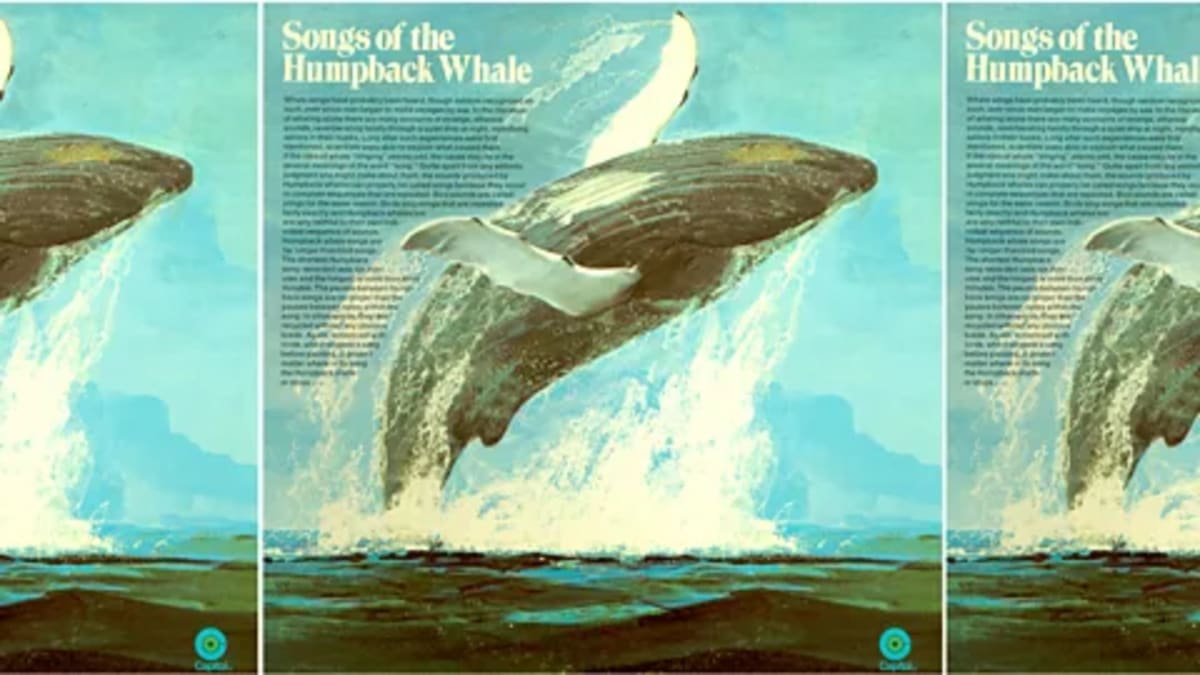
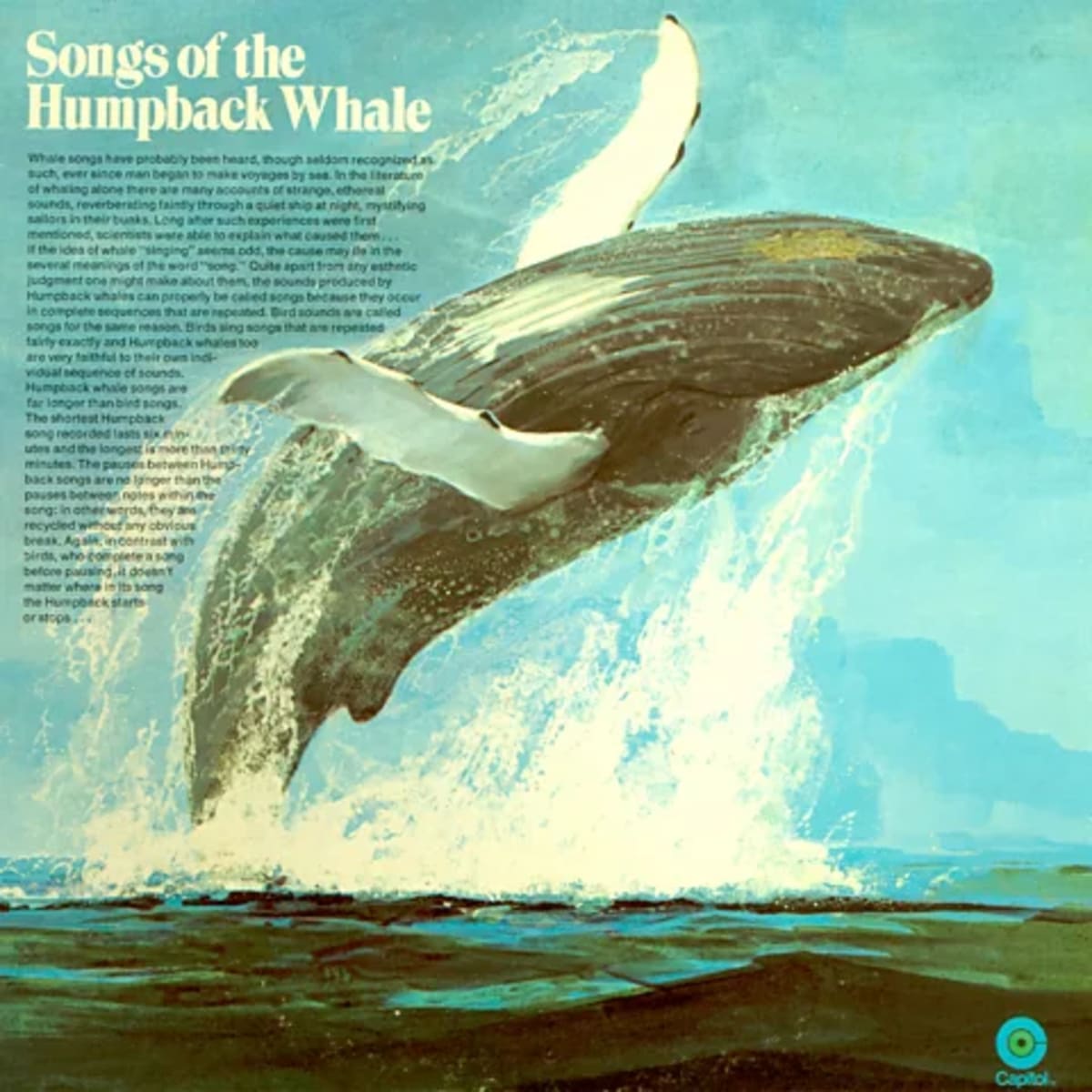
In 1970, the team released Songs of the Humpback Whale. The album sold more than 125,000 copies, making it the biggest selling nature album in history. National Geographic sent an extract to all 10.5 million subscribers in the largest single pressing ever recorded.
The haunting sounds exploded into popular culture. Singers Judy Collins and Kate Bush featured whale song in their music. Star Trek used it in a 1986 film about saving humpbacks from extinction. An excerpt even launched into space on Voyager 1's Golden Record in 1977.
The Ripple Effect
The album became the soundtrack to the Save the Whales movement, helping transform humpbacks from hunted animals into protected treasures. Roger Payne sent copies to everyone from the Beatles to Bob Dylan, building momentum for whale protection. Before 1970, few people had heard large whales, but these recordings helped millions experience something they'd never encountered.
The impact was profound and lasting. People who'd never thought twice about whales suddenly cared deeply about their survival. The songs sparked empathy and connection across continents, proving that sometimes the most powerful conservation tool is simply letting people hear what's worth saving.
Today, humpback populations have recovered dramatically from near extinction, and whale song remains one of nature's most recognized sounds.
More Images
Based on reporting by BBC Future
This story was written by BrightWire based on verified news reports.
Spread the positivity!
Share this good news with someone who needs it