Hubble and Webb Discover 27 Pristine Objects Beyond Neptune
Two of NASA's most powerful space telescopes teamed up to find 27 tiny, icy objects at the edge of our solar system that look exactly as they did 4.6 billion years ago. Scientists are puzzled by how these ancient space rocks stayed unchanged for so long.
The smallest, most distant objects in our solar system are revealing a surprising secret: they've stayed perfectly preserved since the day they formed billions of years ago.
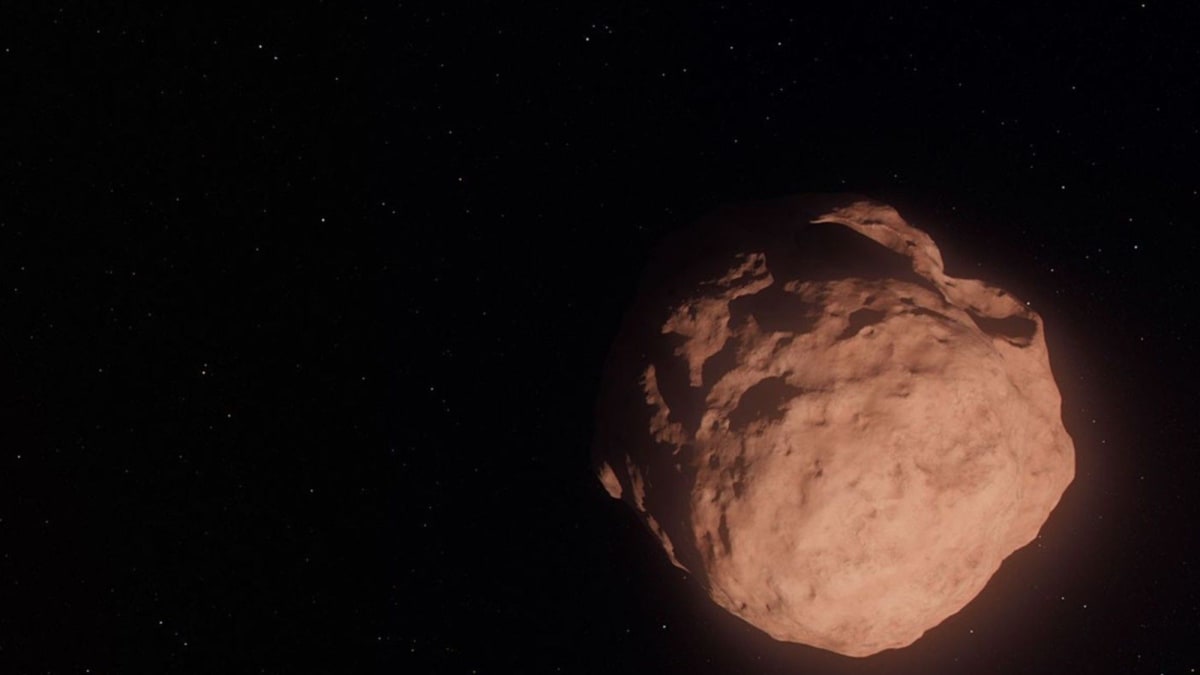
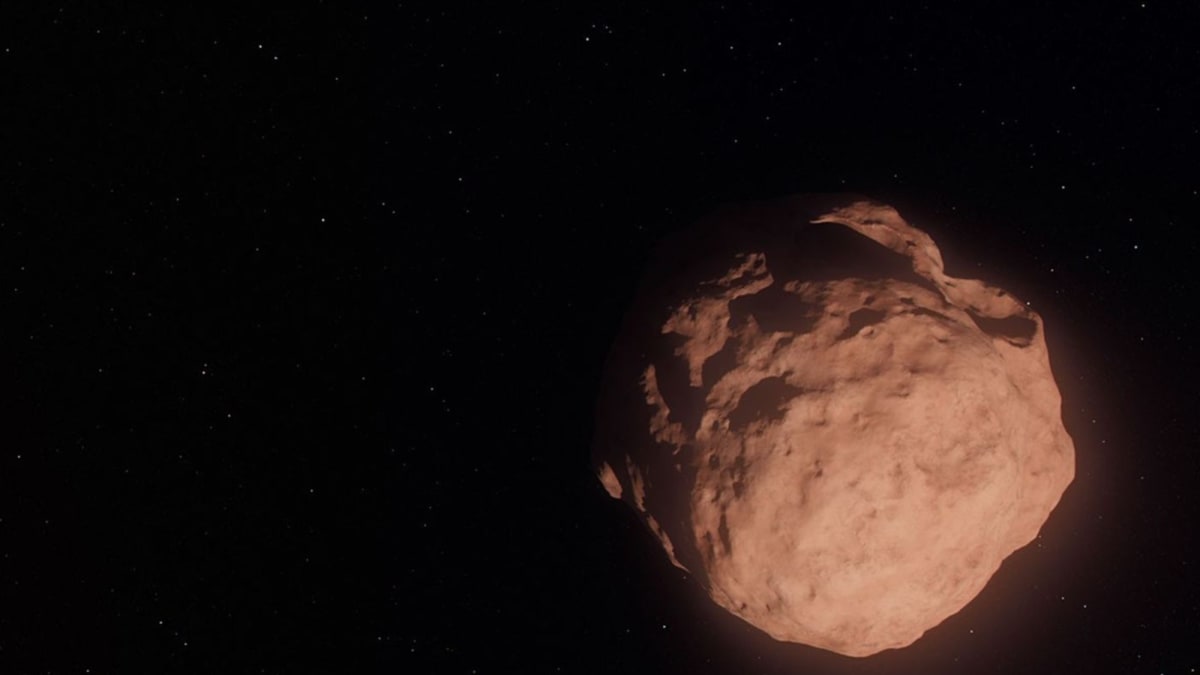
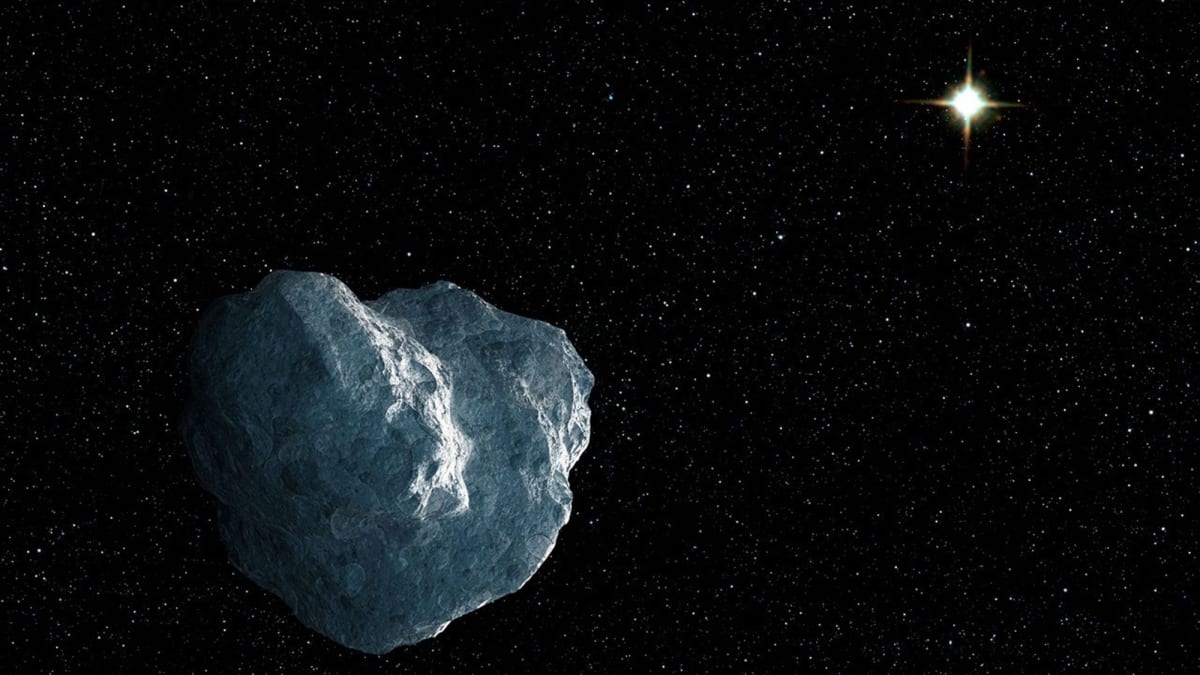
The Hubble and James Webb Space Telescopes worked together to discover 27 new Trans-Neptunian Objects (TNOs), tiny icy bodies orbiting the sun far beyond Neptune. The smallest is just 6 miles across, about the size of a small city.
These ancient space rocks have scientists scratching their heads. Computer models predicted these objects should have been battered by countless collisions over billions of years, mixing up their surface materials and changing their appearance. Instead, they look as pristine as newborns.
"It's really fascinating to see that the smallest objects are somehow 'remembering' and preserving the history of how they were made," said Anastasia Morgan, a PhD candidate at Northern Arizona University who led the research. The colors and compositions of these tiny TNOs match their larger siblings perfectly, suggesting their surfaces have barely changed.
Some of these objects formed right where they are now, in the distant Kuiper Belt. Others were born much closer to home, between Uranus and Neptune, before getting flung outward by gravitational forces. Yet regardless of their wild journeys through space, they all kept their original surfaces intact.
The mystery deepens with two possible explanations. Either there are far fewer space collisions happening in the outer solar system than scientists thought, or impacts do occur but somehow fail to damage these tiny objects as expected. Neither scenario matches current theories about how crowded the region is with debris.
Why This Inspires
This discovery reminds us that the universe still holds countless surprises, even in our own cosmic backyard. Two graduate students, Morgan and Marielle Eduardo from the University of Victoria, led this groundbreaking research, proving that fresh eyes and new technology can overturn long-held assumptions.
The James Webb Space Telescope's infrared vision allowed the team to accurately measure the sizes of these distant objects for the first time. Previous observations in visible light couldn't distinguish between a large dark object and a small shiny one at such extreme distances.
The findings suggest that the process of planet formation works the same way across different regions of the solar system, producing similar patterns regardless of conditions. It's a hint that the fundamental rules governing how worlds are born might be simpler and more universal than we imagined.
These frozen time capsules offer us a direct window into the earliest days of our solar system, preserving evidence of conditions that existed when Earth itself was just beginning to form. Every new discovery about these distant objects teaches us something about our own planetary origins and the forces that shaped the world we call home.
More Images

Based on reporting by Space.com
This story was written by BrightWire based on verified news reports.
Spread the positivity!
Share this good news with someone who needs it