Hubble Maps 200 Million Stars in Andromeda Galaxy
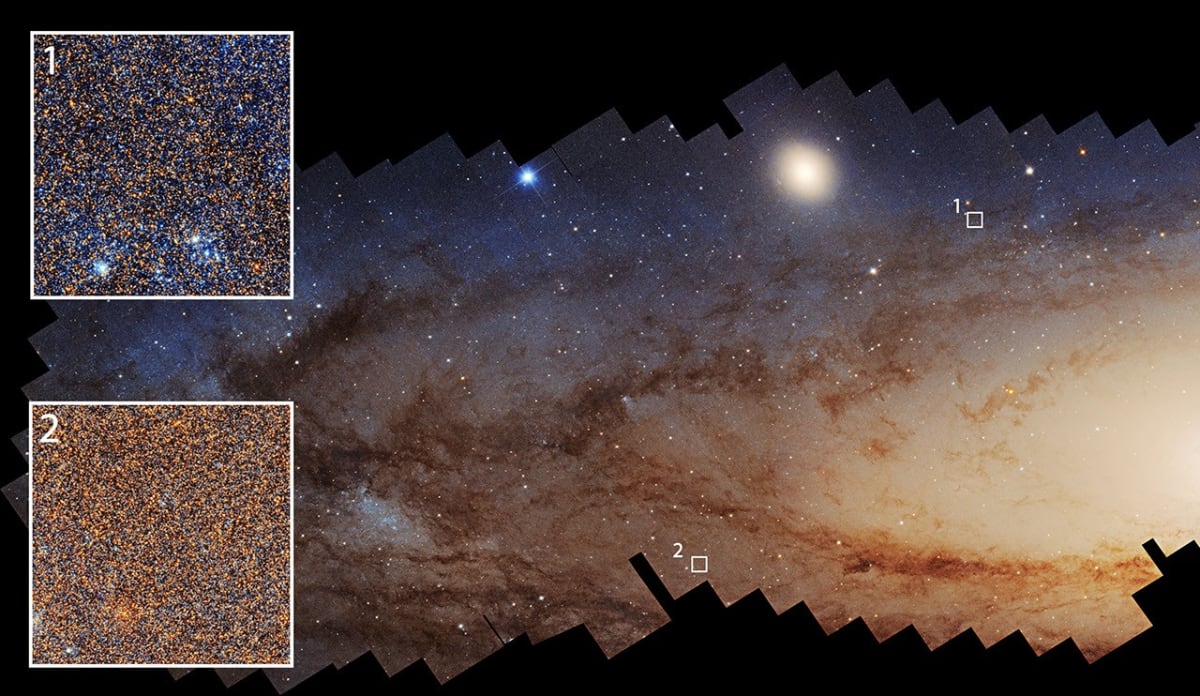
NASA's Hubble Space Telescope just completed the most detailed star map ever created of our neighboring Andromeda galaxy, measuring 200 million individual stars across two-thirds of its disk. The breakthrough gives scientists an unprecedented window into how galaxies like our own Milky Way evolve over billions of years.
Scientists just finished reading the biography of an entire galaxy, one star at a time.
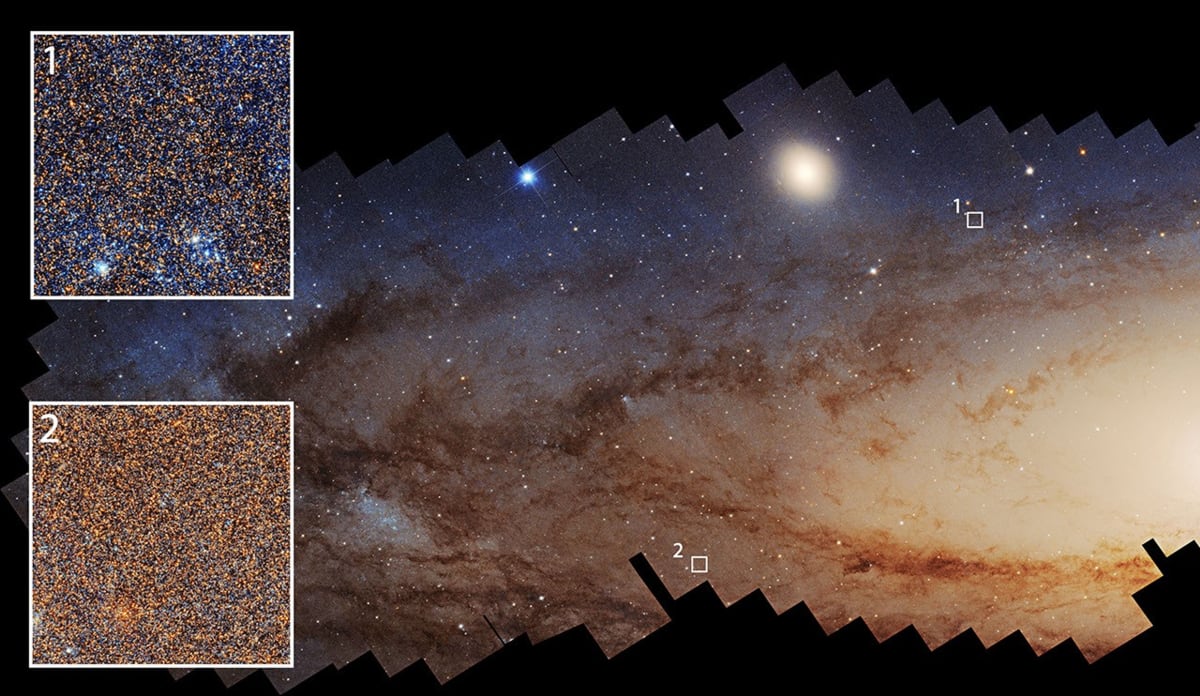
NASA's Hubble Space Telescope has mapped 200 million individual stars across the Andromeda galaxy, our closest galactic neighbor at 2.5 million light-years away. The massive survey gives astronomers the most detailed picture ever of how a galaxy similar to our Milky Way has changed over billions of years.
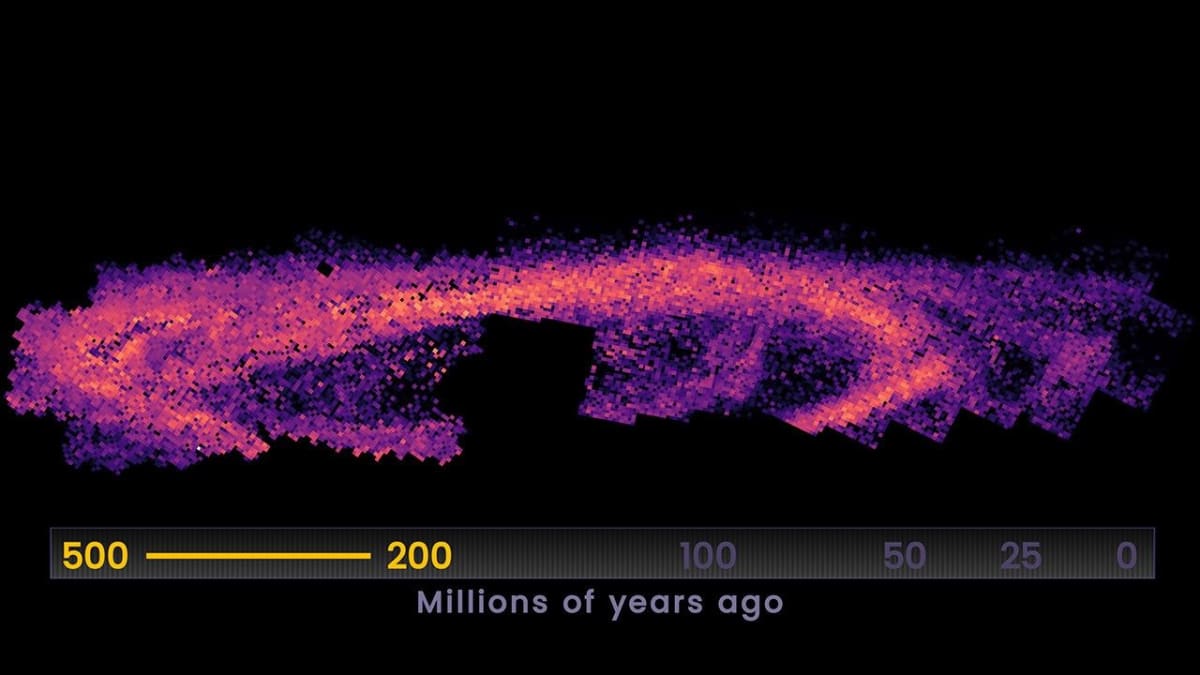
The team from the University of Washington divided Andromeda into thousands of squares, each spanning 300 light-years per side. By studying the color of stars in each section, they could tell when star formation happened. Blue stars indicate recent activity, while red stars reveal older, quieter periods.
The research revealed a fascinating story. About 2 billion years ago, Andromeda likely collided with another galaxy, triggering an explosive burst of star formation. Since then, the galaxy has been gradually winding down, like a runner catching their breath after a marathon.
Five hundred million years ago, Andromeda was creating new stars equal to the mass of our Sun every year. By 40 million years ago, that rate had dropped by half. Today, star formation has slowed to just one-fifth of a solar mass per year.
Much of the recent star formation happens in a ring about 32,000 light-years from the galaxy's center. The decline isn't because Andromeda is running out of raw materials. It's simply cooling down from its previous hyperactive state.
Why This Inspires
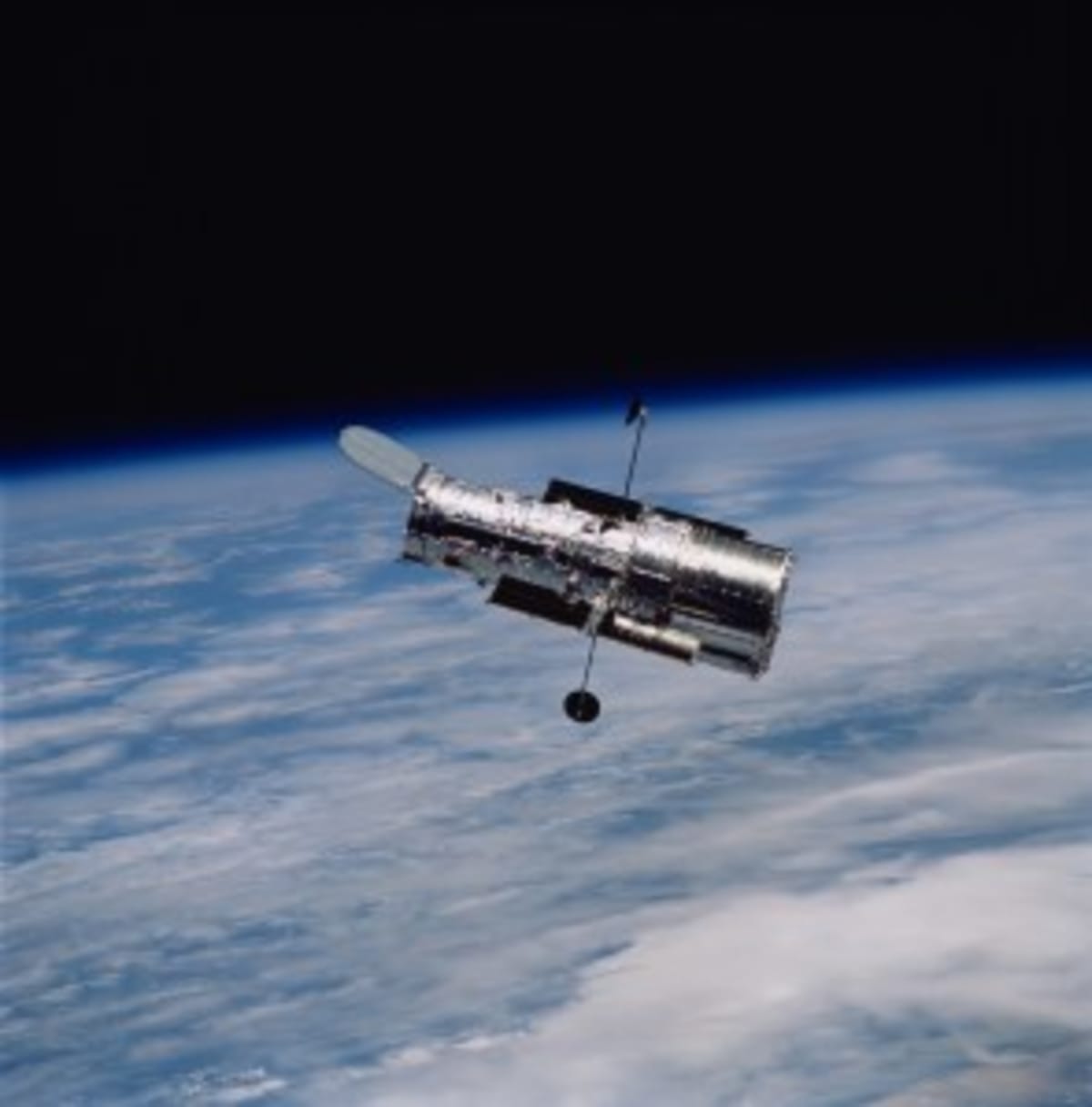
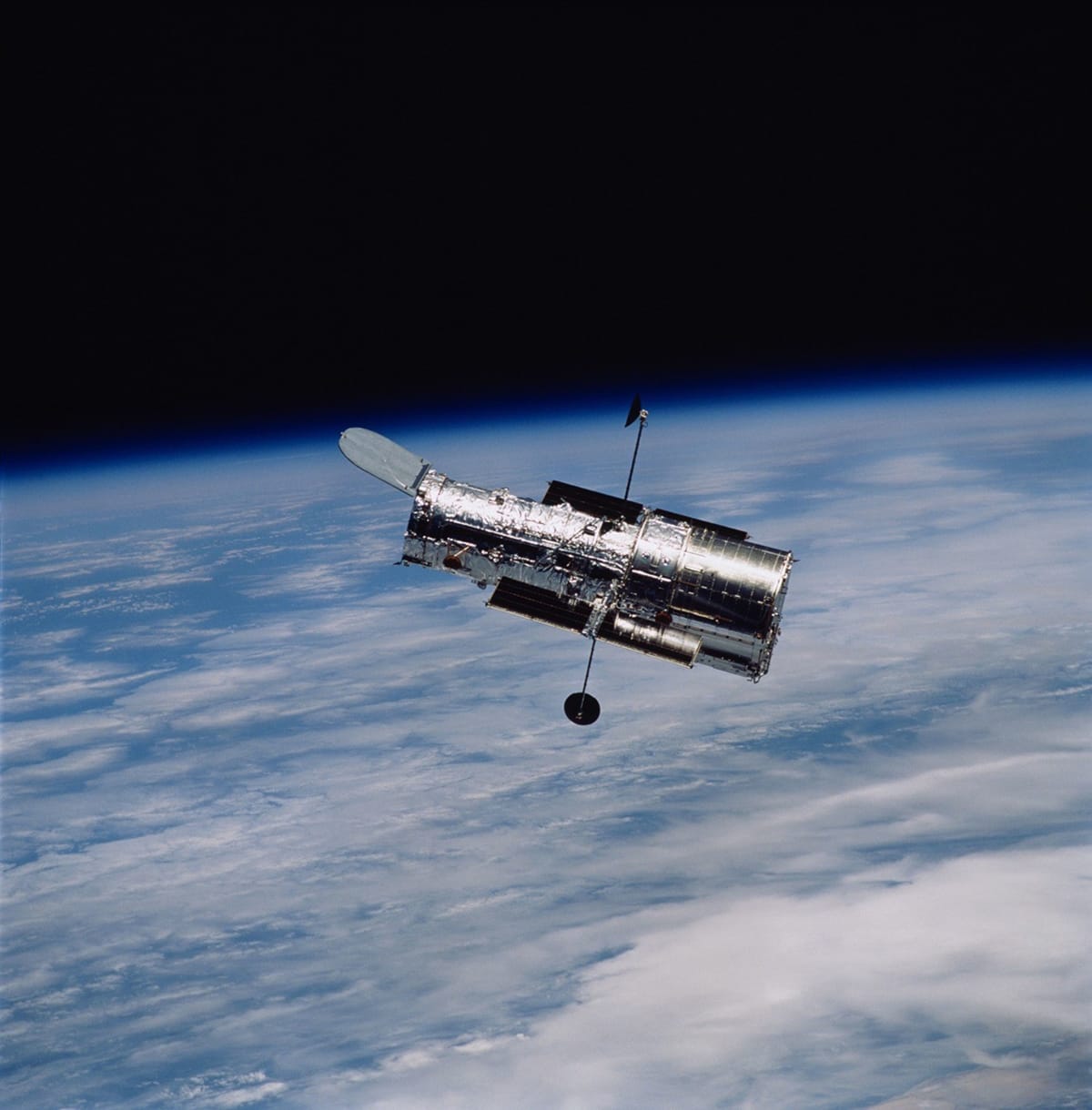
This research showcases what becomes possible when scientists think big and look long. Measuring 200 million stars individually required combining data from two massive Hubble surveys and pushing the telescope to its limits.
"Hubble is the only telescope that can give you high enough spatial resolution over a large enough area to be able to do that in Andromeda," said Ben Williams, astronomer and co-author on the study published in The Astrophysical Journal.
The team also investigated whether Andromeda's companion galaxy M32 played a role in the slowdown. They found decreased star formation near M32 starting about 60 million years ago, suggesting the smaller galaxy may have disrupted its larger neighbor during a close pass.
These cosmic fossils help us understand our own galaxy's future. As Andromeda and the Milky Way slowly drift toward each other, we're learning that galactic evolution follows patterns of activity and rest spanning billions of years.
Sometimes the most hopeful discoveries come from looking at the longest timescales, where dramatic change becomes part of a natural, beautiful rhythm.
More Images
Based on reporting by NASA
This story was written by BrightWire based on verified news reports.
Spread the positivity!
Share this good news with someone who needs it