Hubble Reveals 2,500 Baby Stars Being Born in Crimson Cloud
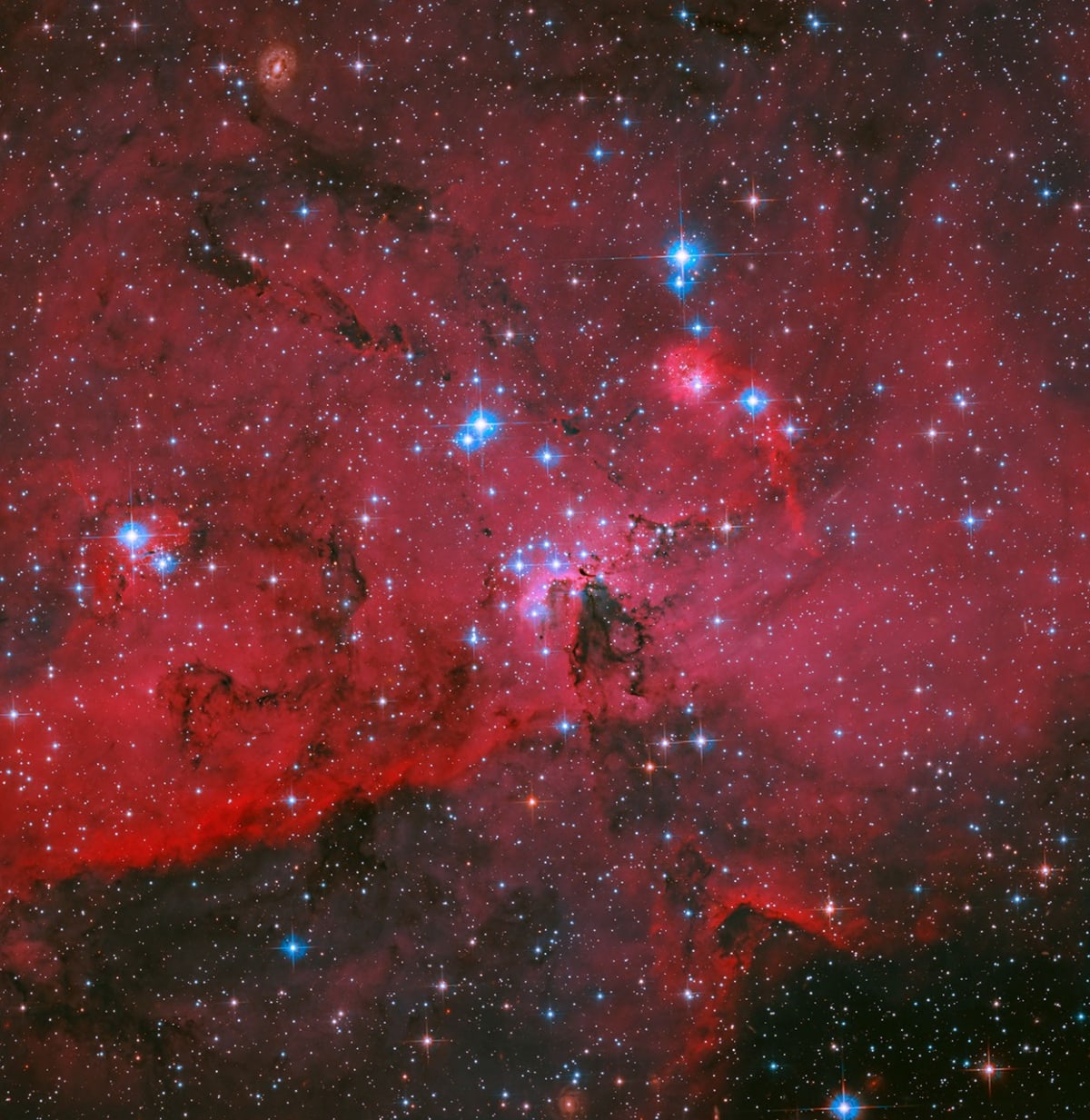
NASA's Hubble Space Telescope has captured a stunning stellar nursery where 2,500 infant stars are forming in a glowing crimson cloud 160,000 light-years away. The discovery reveals that baby stars take millions of years longer to grow than scientists previously thought.
Deep in space, thousands of stars are being born right now, and Hubble just gave us front-row seats to the cosmic delivery room.
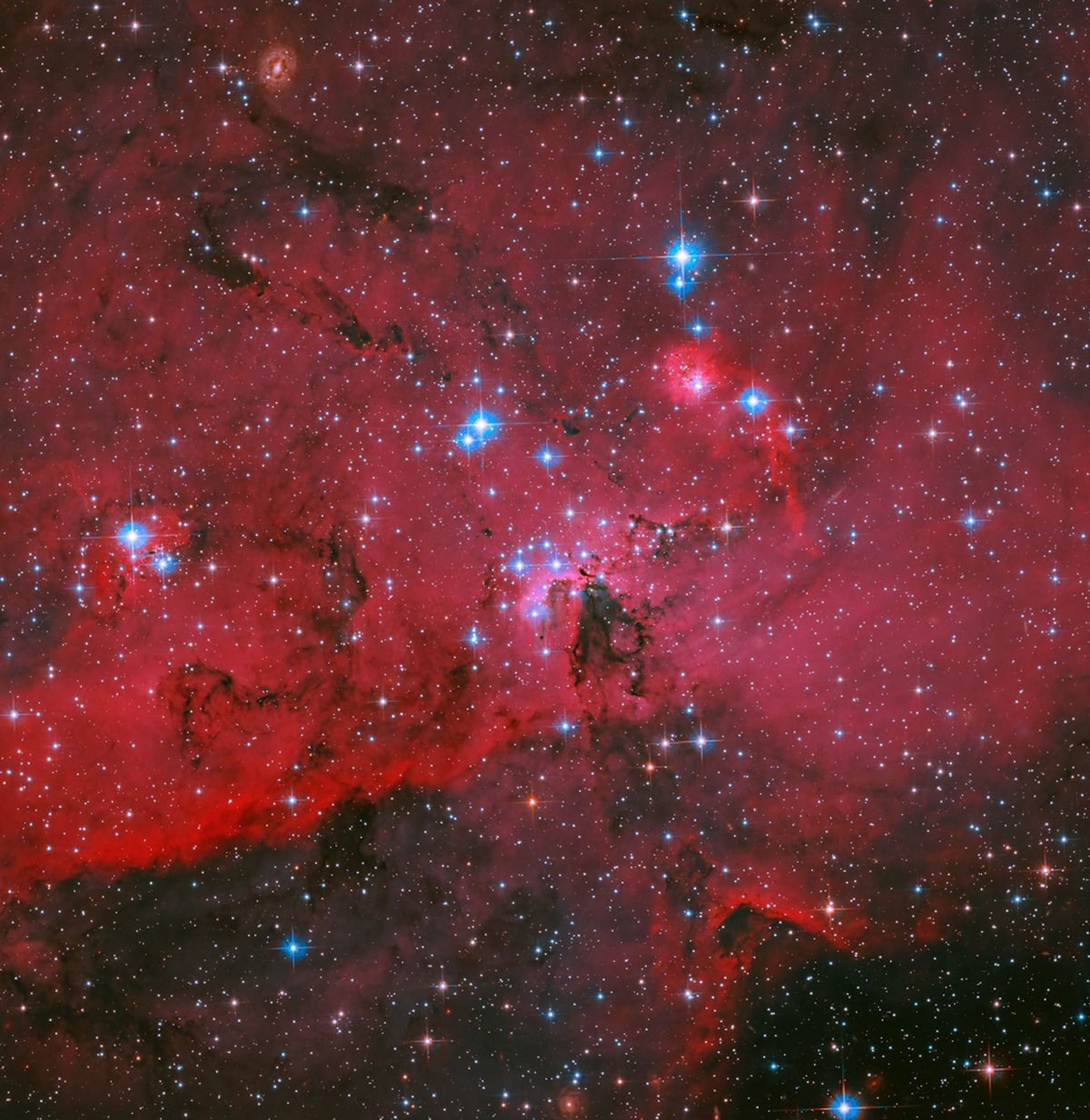
NASA's Hubble Space Telescope captured a breathtaking image of LH 95, a stellar nursery in the Large Magellanic Cloud, a small galaxy orbiting our Milky Way. Against a backdrop of glowing crimson gas, brilliant blue and white stars shine like fireworks frozen in time.
The real treasure isn't just the beauty. Scientists discovered 2,500 baby stars in various stages of development, all gathering material to grow into full-fledged stars.
These infant stars, called pre-main-sequence stars, haven't yet begun the fusion reactions that power mature stars. They're still contracting, pulling in gas and dust from swirling disks around them, preparing for their grand debut.
The biggest surprise came when researchers measured how long these stellar babies keep feeding. Young stars continue accumulating matter for several million years, much longer than scientists sometimes assumed.
This discovery helps astronomers refine their understanding of how stars grow up. It's like learning that human babies take longer to develop than doctors thought, changing how we care for them.
The region also hosts massive blue giants, some weighing 60 to 70 times more than our Sun. These stellar heavyweights blast the surrounding hydrogen gas with ultraviolet radiation and powerful winds, sculpting the crimson landscape and making it glow.
Researchers found something else remarkable: multiple generations of stars exist side by side in LH 95. The most massive star is about a million years old, while its neighbors are roughly 4 million years old, proving this stellar factory produces stars continuously over millions of years rather than in single bursts.
Why This Inspires
LH 95 offers astronomers an incredible advantage for studying star formation. It sits relatively close to Earth with less obscuring dust than similar regions in our own galaxy, giving scientists a clearer view of stars being born.
Every observation adds another piece to the puzzle of how stars form, evolve, and eventually die. Understanding this cosmic life cycle helps us grasp our own origins, since every atom in our bodies was forged inside ancient stars.
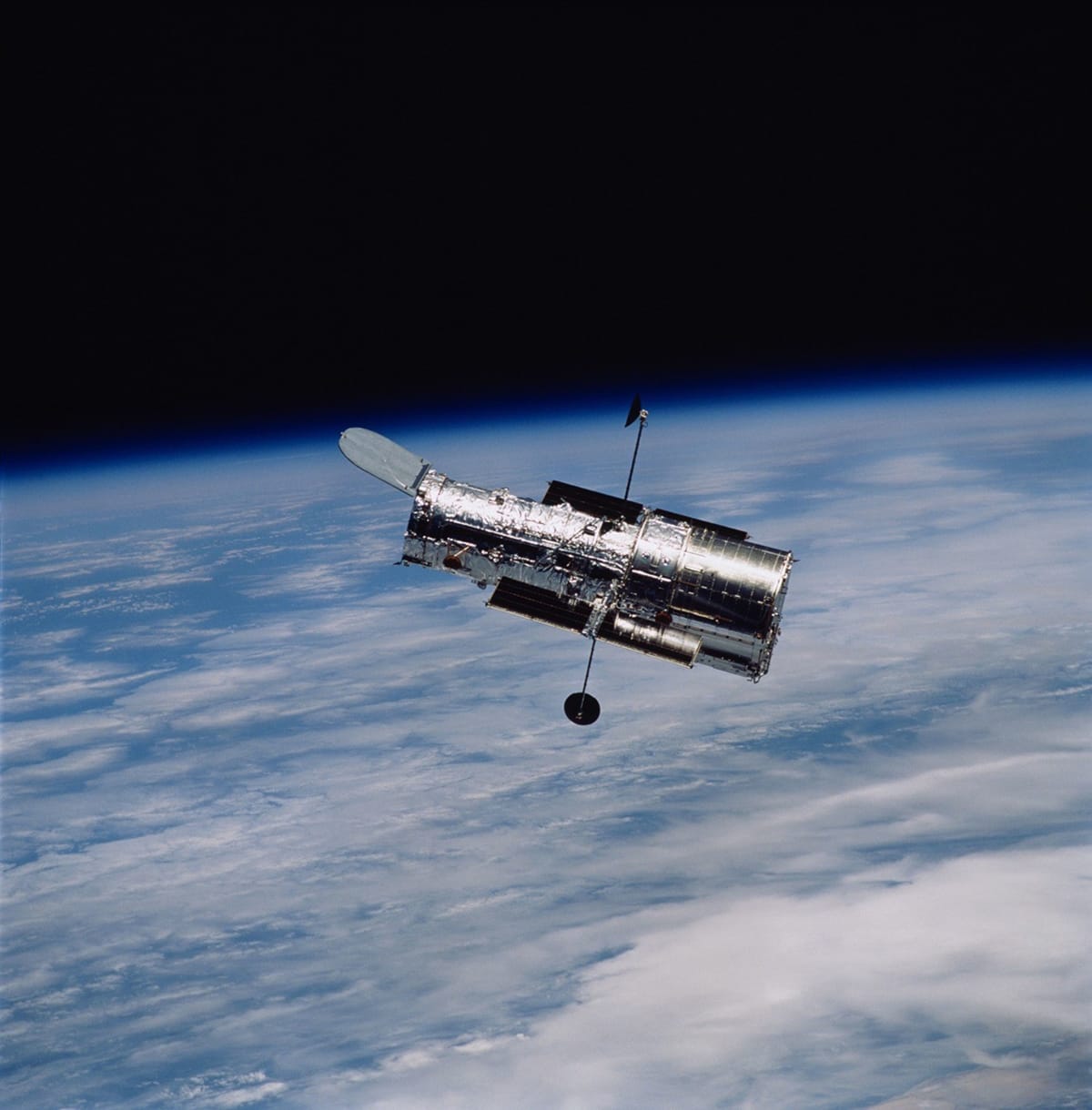
Hubble continues delivering groundbreaking discoveries after more than 30 years in orbit, with the Webb Space Telescope and upcoming Nancy Grace Roman Space Telescope expanding on its legacy.
The universe is still creating new stars, painting masterpieces in space, and inviting us to watch the show.
More Images
Based on reporting by NASA
This story was written by BrightWire based on verified news reports.
Spread the positivity!
Share this good news with someone who needs it