Hubble Spots Galaxy That Helped Clear the Early Universe
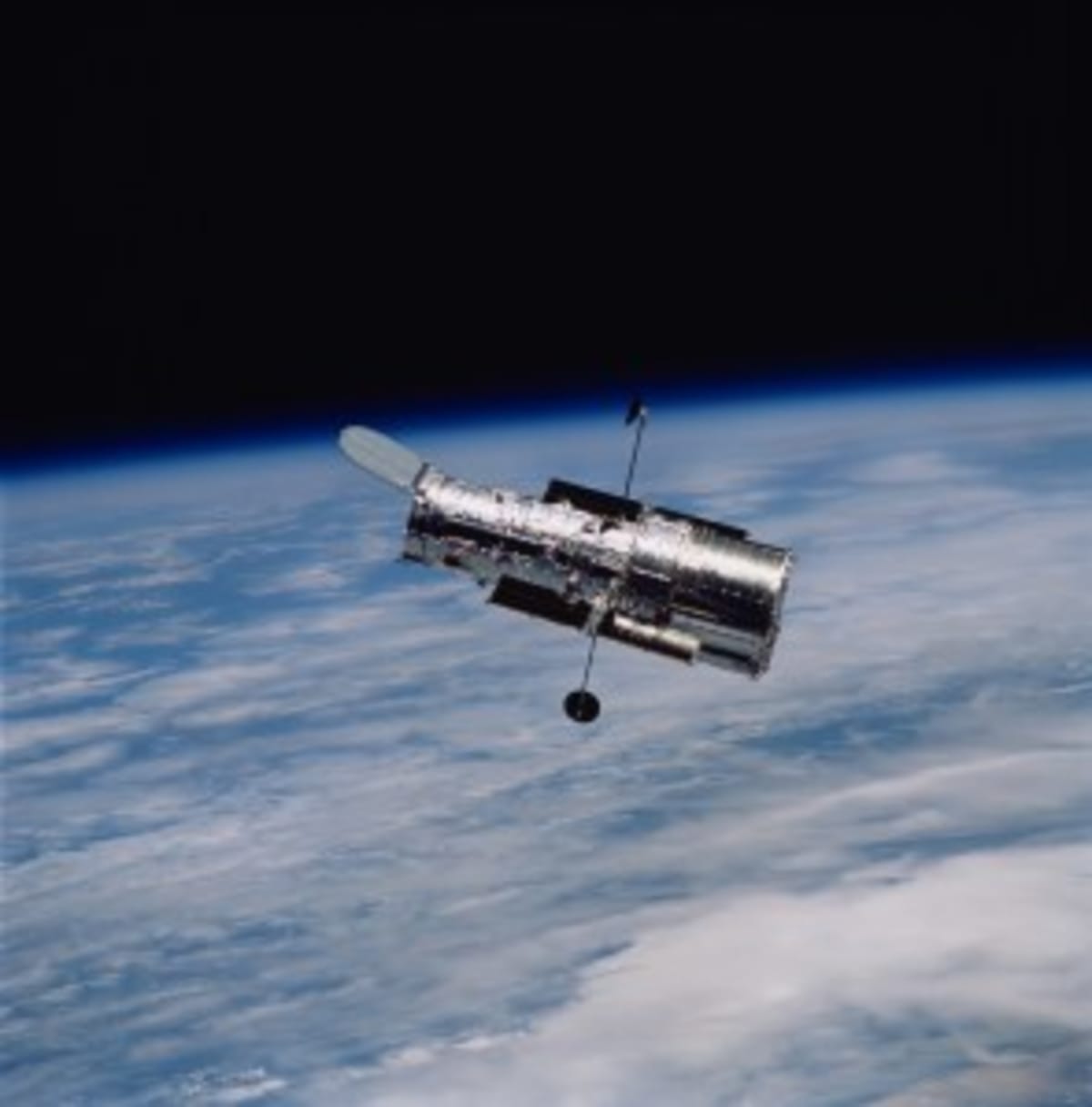
NASA's Hubble Space Telescope captured something astronomers thought impossible: ultraviolet light from a tiny galaxy that helped transform the murky early universe into the transparent cosmos we see today. This discovery offers the first direct evidence of how ancient galaxies cleared the cosmic fog.
📺 Watch the full story above
Scientists just found the galaxy that helped turn on the lights in our universe.
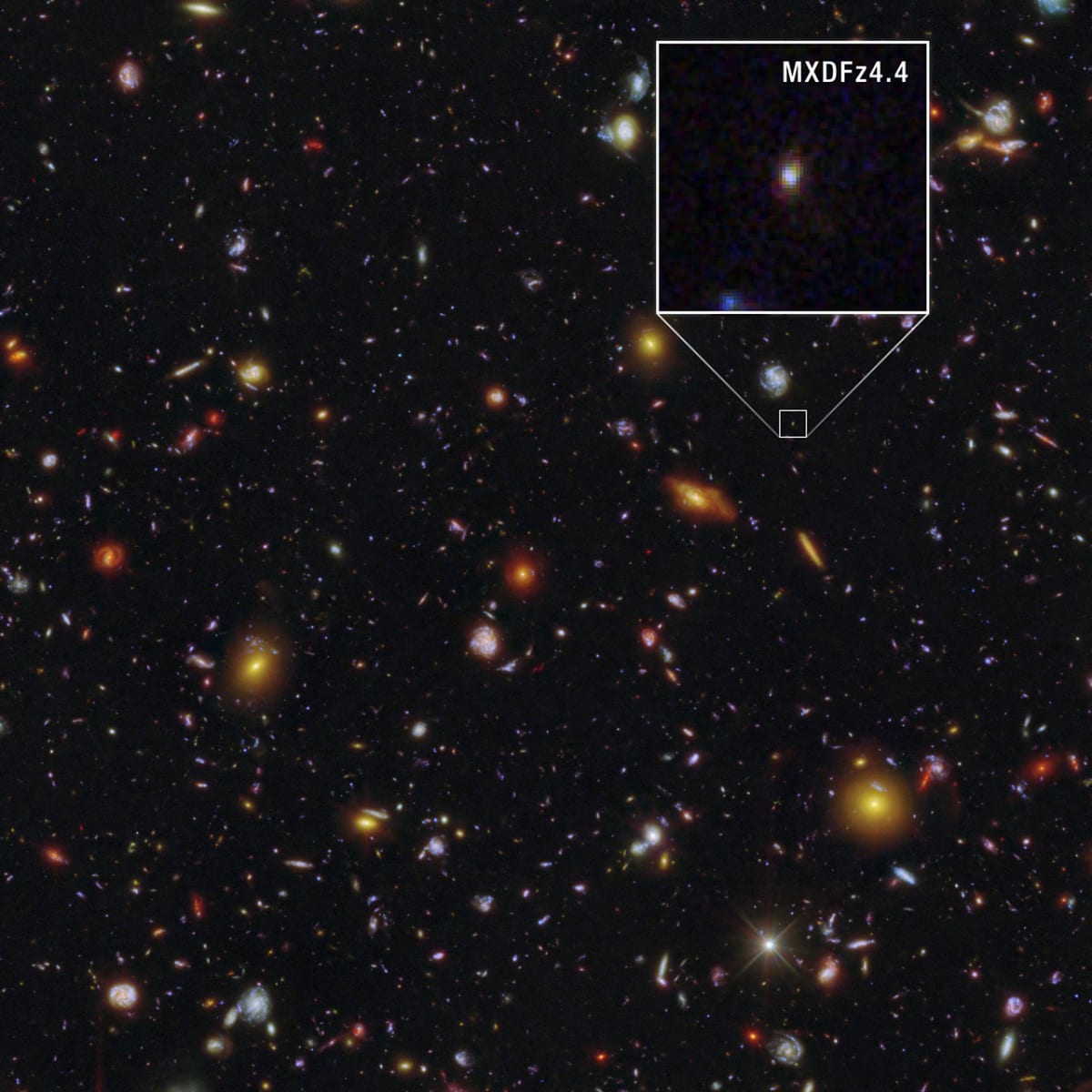
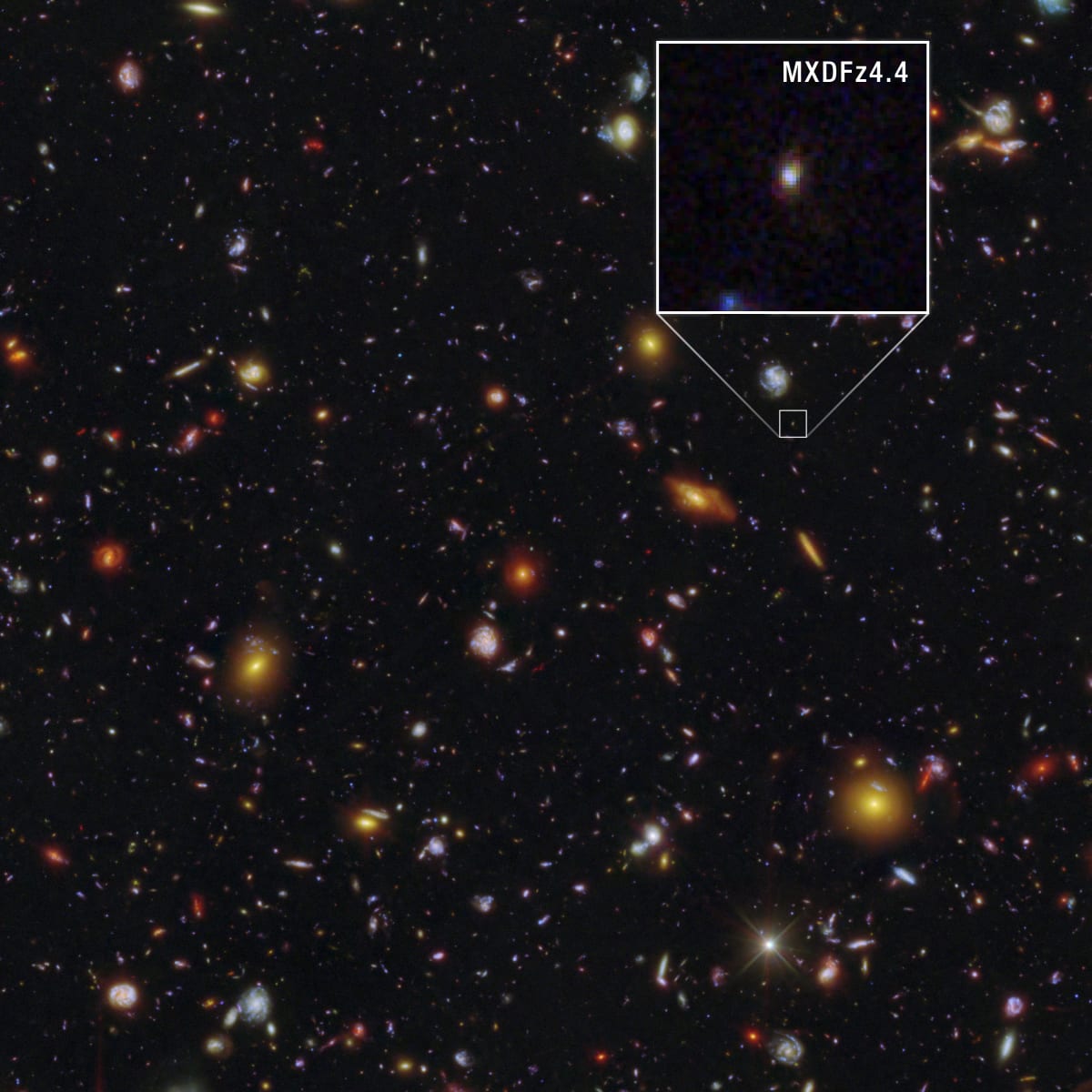
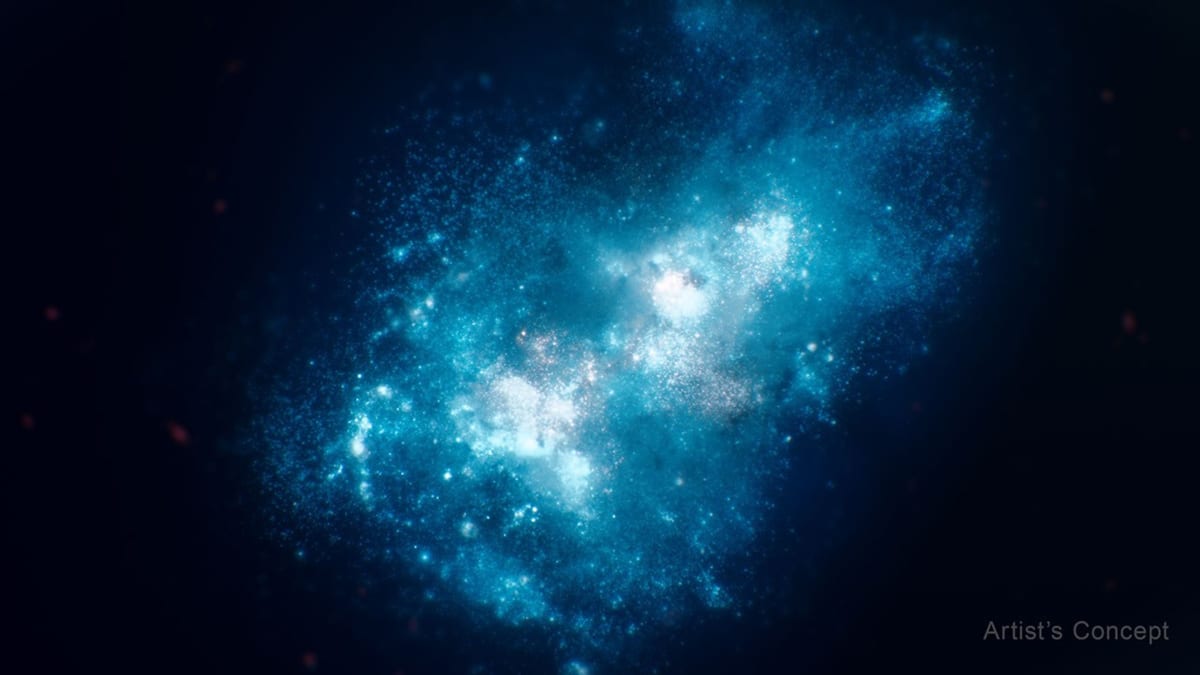
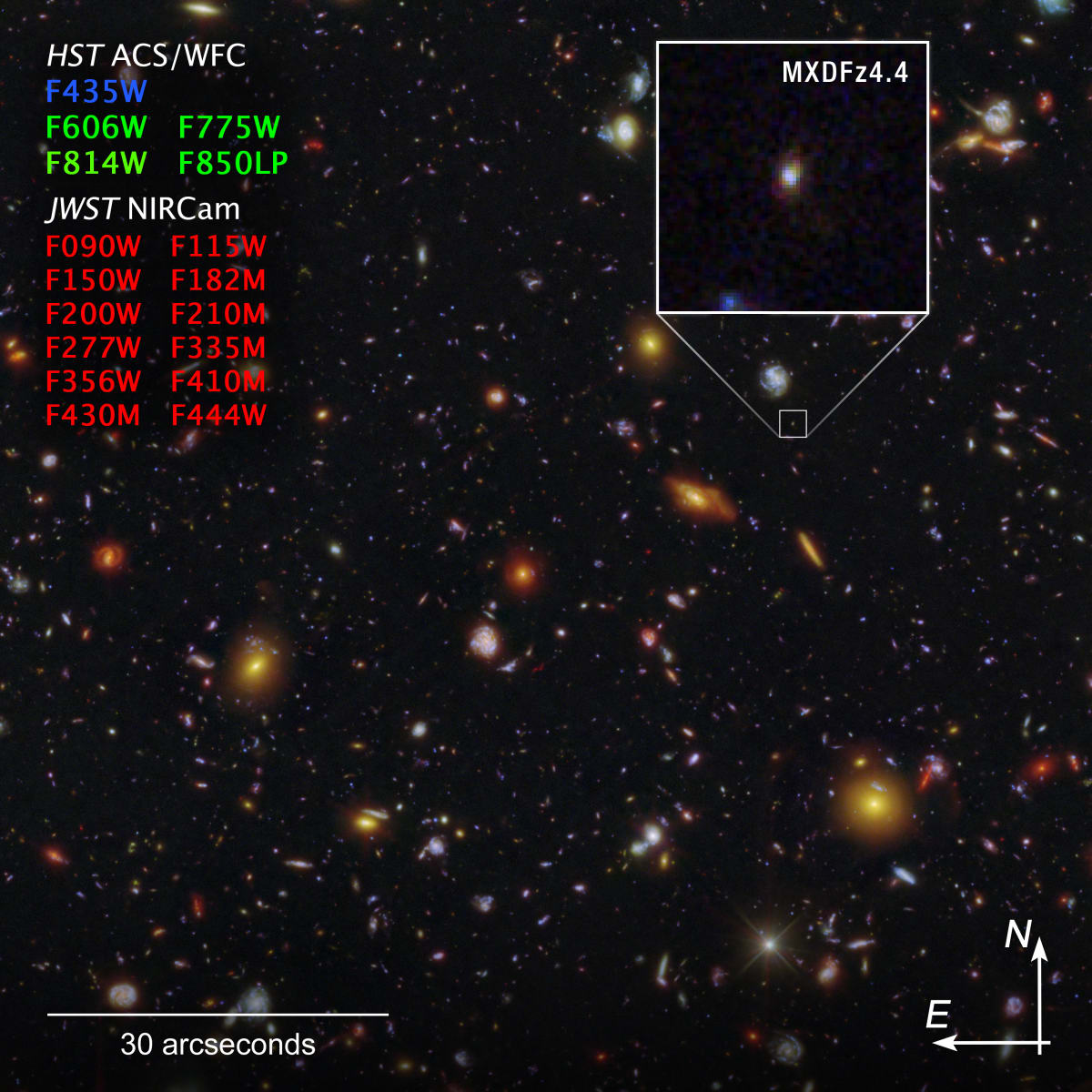
NASA's Hubble Space Telescope spotted ultraviolet light streaming from a small but mighty galaxy called MXDFz4.4, which existed just 1.4 billion years after the big bang. This marks the earliest example ever found of a galaxy actively clearing away the thick fog of hydrogen gas that once made the early universe completely opaque.
"Observing a galaxy like this was thought to be impossible," said Ilias Goovaerts, a researcher at the Space Telescope Science Institute in Baltimore. Scientists expected the ancient cosmic fog would be too dense to see through, but Hubble proved them wrong.
The galaxy itself is tiny compared to our Milky Way, about 100 times smaller in area. But it packs an extraordinary punch, forming stars 10 times faster than our galaxy does today.
These young, massive stars are crammed together in an incredibly tight space, blasting out powerful ultraviolet light. That light ionized the hydrogen gas around the galaxy, essentially punching holes in the cosmic fog and allowing us to see through it for the first time.
The timing matters enormously. MXDFz4.4 existed during the Era of Reionization, a transformative period when the universe gradually shifted from opaque to transparent over hundreds of millions of years. Before this discovery, researchers had only found galaxies emitting this kind of light from much later periods, when the universe was at least 1.6 billion years old.
Hubble captured the ancient light after it traveled for over 12 billion years to reach us. The team combined Hubble's observations with data from NASA's James Webb Space Telescope and the European Southern Observatory's Very Large Telescope to paint a complete picture of this remarkable galaxy.
Why This Inspires
This discovery represents more than just spotting an ancient galaxy. It's the first direct evidence showing how galaxies like MXDFz4.4 transformed our universe from a murky, impenetrable fog into the clear, star-filled cosmos we inhabit today.
The galaxy's young stars formed in recent bursts, living fast and dying young as supernovae. These stellar explosions blew massive holes in the surrounding gas, allowing even more light to escape and clear even more space.
Researchers estimate that 50 to 100% of the galaxy's energetic light successfully escaped into surrounding space, far more efficient than most galaxies at clearing the cosmic fog. These little powerhouses, packed with hot young stars and exploding supernovae, were exactly what the early universe needed to become transparent.
Finding MXDFz4.4 brings scientists closer to understanding one of the most important transitions in cosmic history. Sometimes the smallest galaxies make the biggest difference.
More Images
Based on reporting by NASA
This story was written by BrightWire based on verified news reports.
Spread the positivity!
Share this good news with someone who needs it