Hubble Telescope Captures 36 Years of Stars Being Born
NASA's Hubble Space Telescope is celebrating 36 years in orbit with a stunning new look at the Trifid Nebula, revealing cosmic changes happening in real time. The telescope's 29-year comparison shows jets of plasma moving and new stars forming 5,000 light-years from Earth.
📺 Watch the full story above
For the first time in human history, we're watching stars being born in real time, and the view is spectacular.
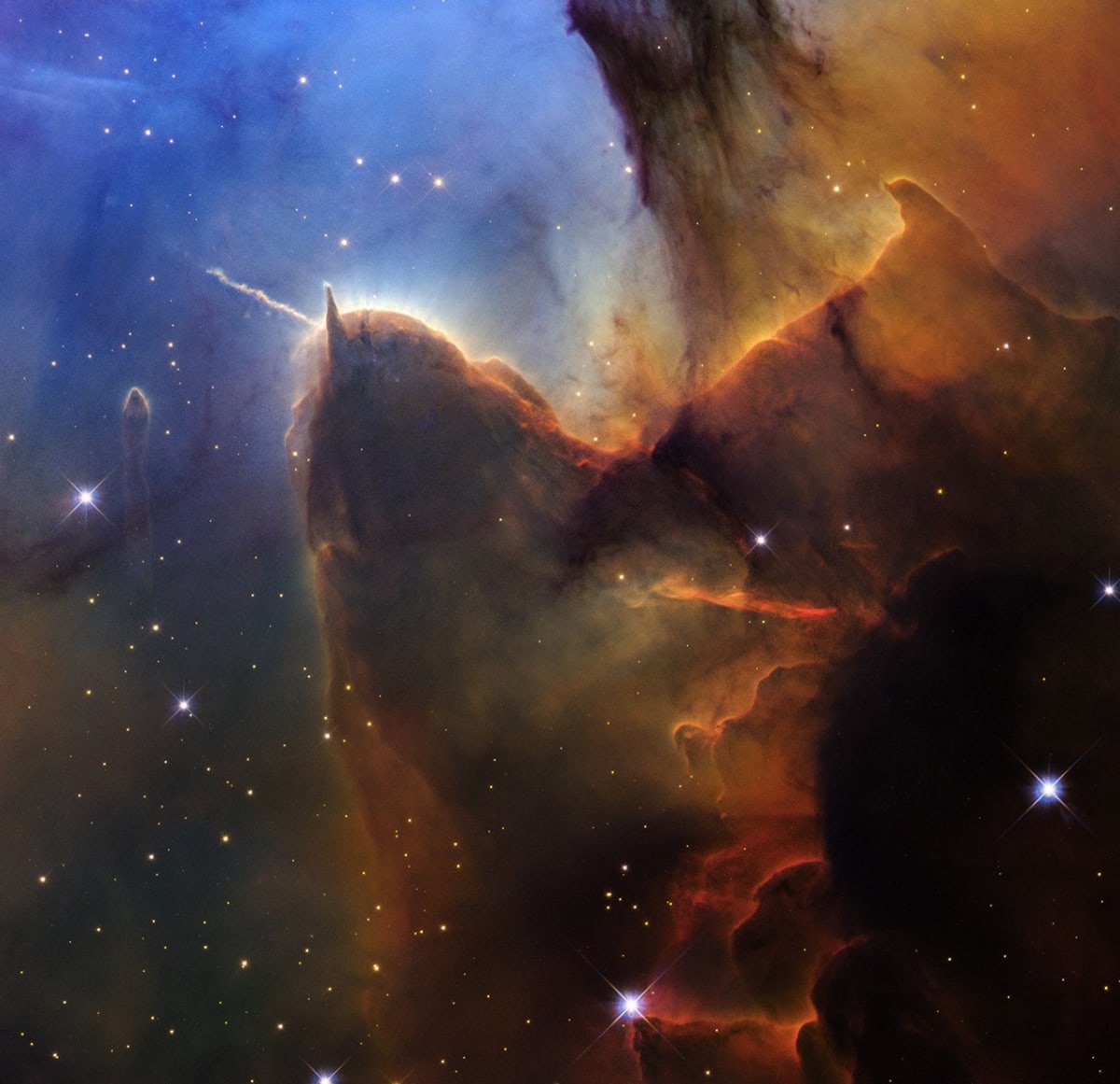
NASA's Hubble Space Telescope just marked its 36th birthday by revisiting a cosmic nursery it first photographed in 1997. The new images of the Trifid Nebula reveal something remarkable: visible changes in star formation captured across nearly three decades.
The nebula sits about 5,000 light-years from Earth, where massive stars are sculpting clouds of gas and dust into new solar systems. Scientists call one cloud formation the "Cosmic Sea Lemon" because it resembles a sea slug gliding through space, complete with horn-like jets of plasma shooting from a baby star hidden inside.
These aren't still photographs. By comparing images taken 29 years apart, researchers can actually measure how fast the jets are moving and how much energy young stars are pumping into their surroundings. It's like watching a time-lapse of cosmic creation.
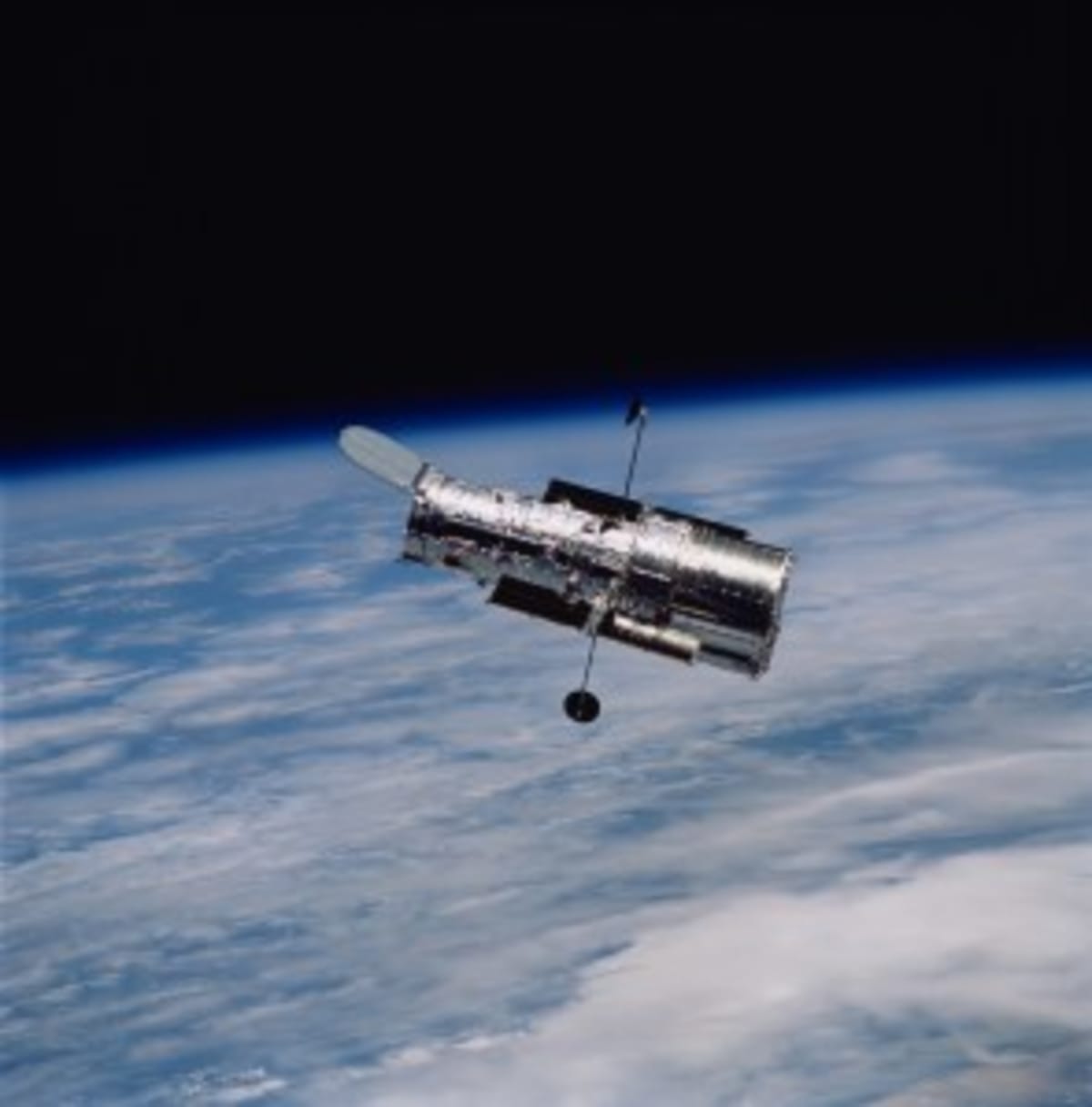
The telescope has come a long way since 1997. An upgraded camera installed during a servicing mission now captures wider views with greater detail, revealing features scientists missed the first time around. One protostar appears nearly finished forming, while others remain buried deep in dust, their presence only visible through rippling jets that move between images.
Powerful stellar winds from giant stars outside the frame have been blowing an enormous bubble for at least 300,000 years. That wind continues pushing and compressing gas today, triggering fresh waves of star birth in a cycle that has repeated countless times.
Why This Inspires
Hubble's longevity is teaching us something profound: patience reveals wonders. The telescope has outlasted its original 15-year mission by more than two decades, and that persistence lets scientists witness changes that happen on human timescales rather than cosmic ones.
The images show jets appearing to move, dust clouds shifting, and stars nearing completion of their birth process. These measurements help scientists understand how newly formed stars interact with their surroundings, answering fundamental questions about how solar systems like ours came to be.
At 36 years old and still going strong, Hubble proves that some of humanity's best investments are the ones we stick with long enough to see their full potential.
More Images



Based on reporting by NASA
This story was written by BrightWire based on verified news reports.
Spread the positivity!
Share this good news with someone who needs it