Hubble Telescope Captures Stunning Star Birth at 36 Years Old
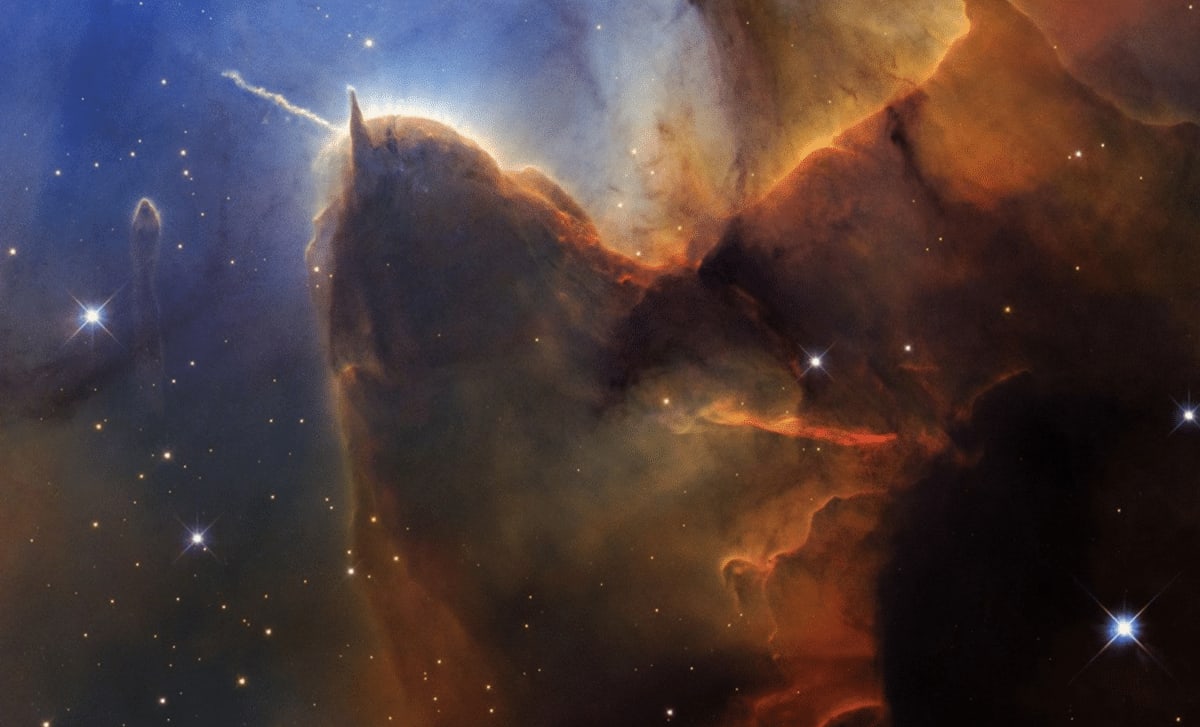
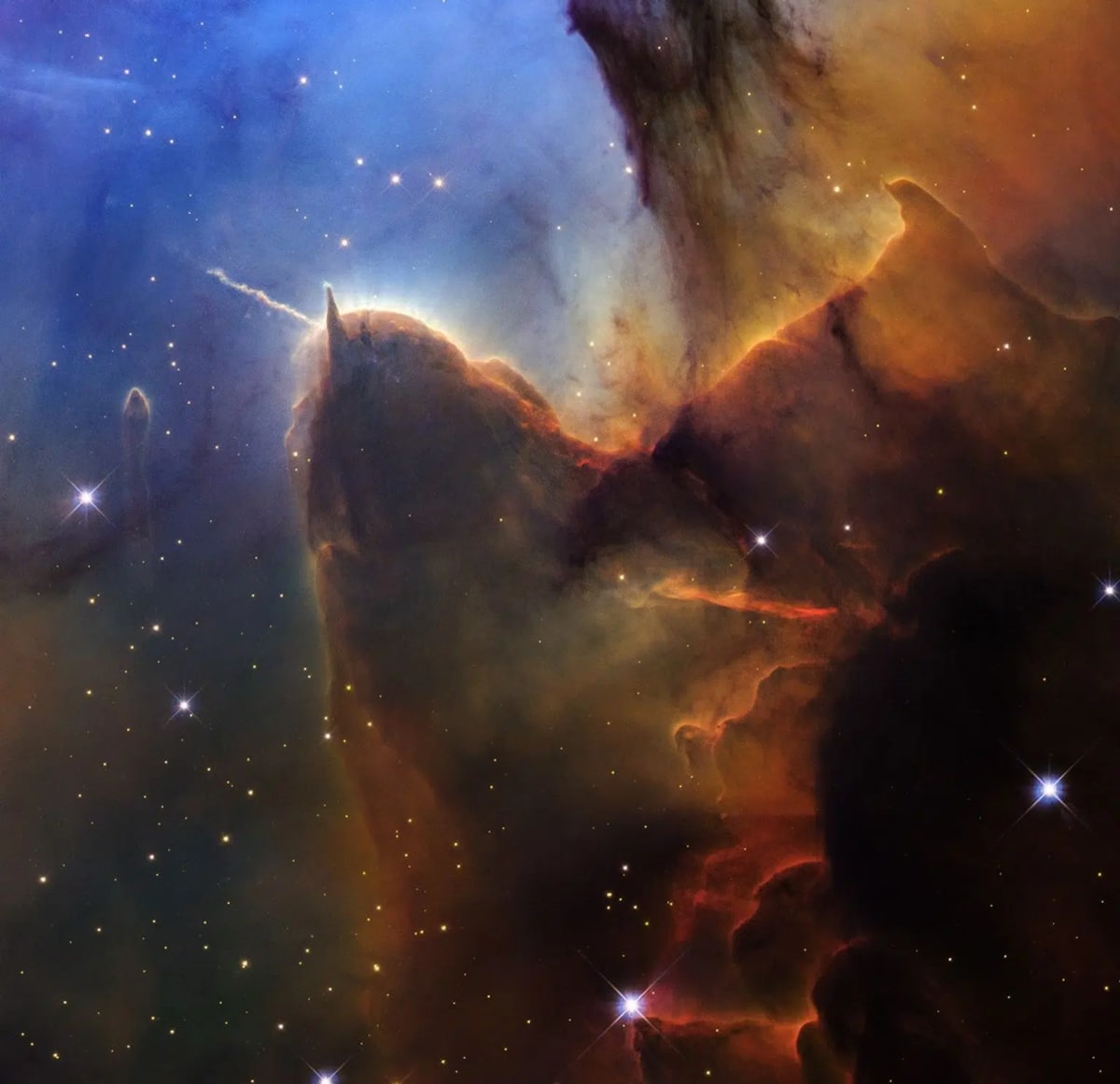
NASA's Hubble Space Telescope celebrates 36 years of discovery with a breathtaking new image of the Trifid Nebula, revealing stars being born 5,000 light-years away. The anniversary portrait shows cosmic nurseries in unprecedented detail, proving the aging telescope still has plenty to teach us about our universe.
After 36 years of peering into the cosmos, NASA's Hubble Space Telescope just delivered one of its most stunning gifts yet: a crystal-clear view of stars being born in real time.
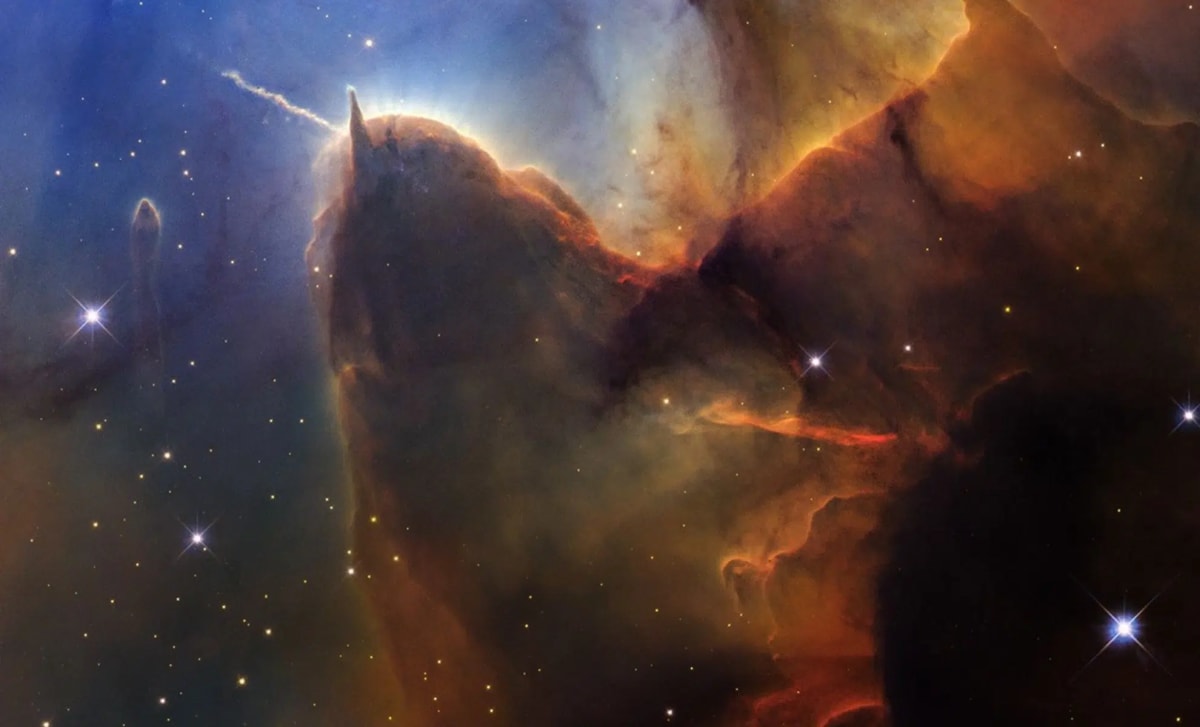
The new image captures the Trifid Nebula, a cosmic nursery located 5,000 light-years from Earth, with such vivid detail that scientists can now watch how newborn stars reshape their surroundings. Dark lanes of gas and dust ripple through glowing clouds, carved into intricate patterns by powerful stellar winds from massive young stars.
What makes this anniversary portrait special isn't just its beauty. Hubble's upgraded camera reveals protostar activity that was hidden in earlier observations, including jets of plasma shooting from baby stars embedded in dense gas clouds.
These jets, called Herbig-Haro objects, are like cosmic construction equipment. As they blast through surrounding material, they clear away debris and can even trigger the birth of additional stars nearby.
The process started at least 300,000 years ago when massive stars began bombarding the nebula with ultraviolet radiation. That radiation stripped electrons from surrounding gas, setting off a chain reaction of star formation that continues today.
Scientists are particularly excited because Hubble first photographed this region in 1997. Comparing those images with today's reveals changes happening on human timescales, a rare glimpse of cosmic evolution we can actually witness within our lifetimes.
The Ripple Effect
Hubble's 36-year mission has fundamentally changed how we understand the universe. With more than 1.7 million observations fueling over 29,000 peer-reviewed papers, the telescope has become one of humanity's most productive scientific instruments.
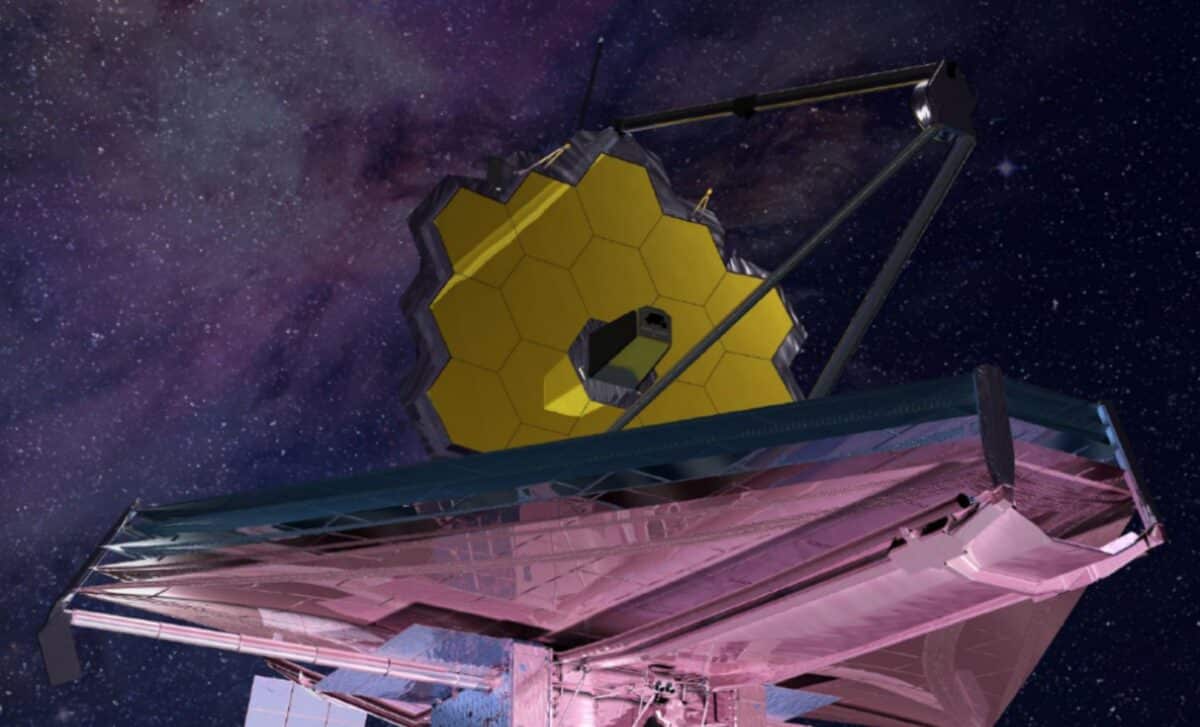
Now it's teaming up with newer technology. The James Webb Space Telescope's infrared vision combines with Hubble's visible-light observations to create multi-dimensional views of star-forming regions, giving astronomers a more complete picture than either telescope could capture alone.
The upcoming Nancy Grace Roman Space Telescope will scan even larger swaths of sky, building on Hubble's legacy to explore regions like the Trifid Nebula on a grander scale. Together, these instruments will help future generations understand how stars, planets, and galaxies form across the cosmos.
What started as a single telescope launch in April 1990 has blossomed into a lasting partnership between cutting-edge technology and human curiosity.
More Images

Based on reporting by Google News - Science
This story was written by BrightWire based on verified news reports.
Spread the positivity!
Share this good news with someone who needs it