NASA's Curiosity Rover Maps Path to Mars Drill Site
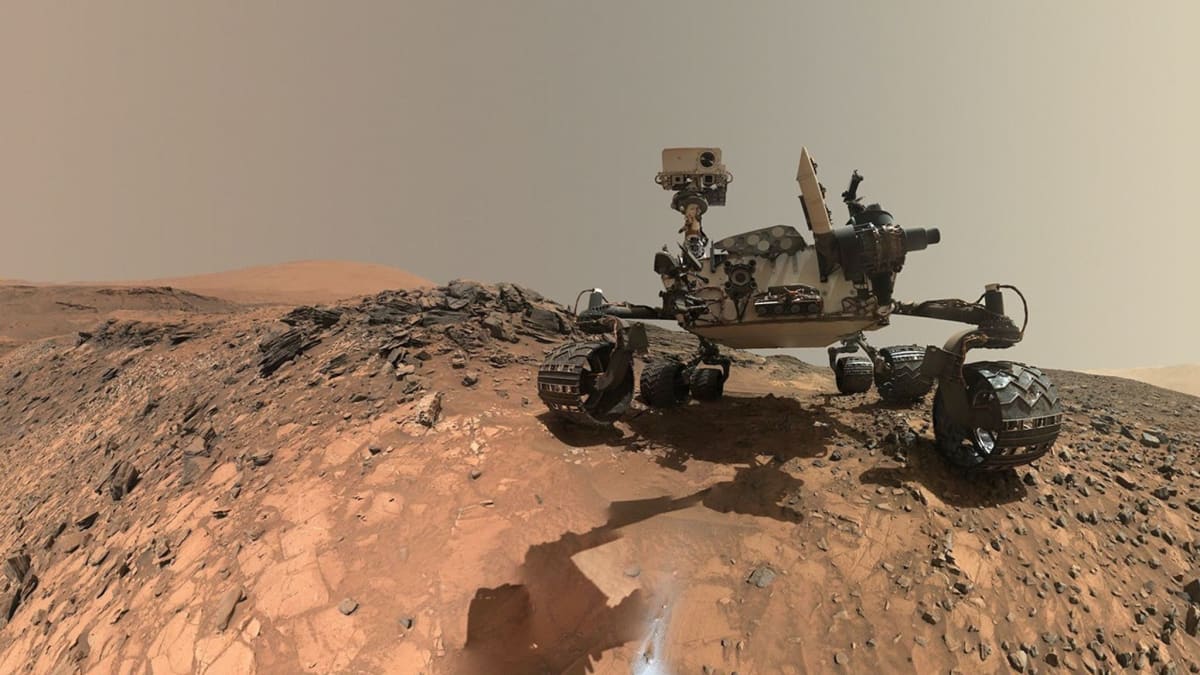
After 12 years exploring Mars, NASA's Curiosity rover just selected its next drilling location, climbing higher than it's been in over two years to unlock secrets of the Red Planet's ancient past.
NASA's Curiosity rover is still making discoveries on Mars after more than a decade of exploration, and scientists just chose an exciting new place to drill.
The rover arrived at Antofagasta crater in mid-April 2026, hoping to drill into rocks that might reveal clues about Mars' watery past. The 33-foot crater looked promising at first, with a well-defined rim that appeared fresh and uneroded.
But when Curiosity peered inside, the team found something unexpected. Dark, rippled sand had filled the crater bottom, covering the most interesting rock layers scientists hoped to study.
A few exposed rocks above the sand line looked tempting. These layers might have been sheltered from space radiation between the time they formed and when the crater impact happened, making them scientific goldmines.
However, reaching them would have required positioning Curiosity at such an awkward angle that the rover couldn't deliver samples to its onboard instruments. The team also considered driving onto the sandy crater floor for a better position, but the risk of getting stuck was too high.
The Bright Side
Rather than seeing this as a setback, the NASA team quickly shifted focus. The area around the crater turned out to be rich with fascinating bedrock features, including unusual polygonal patterns in the rocks.
Scientists planned detailed imaging of the crater and nearby geological formations called buttes. They're using multiple instruments to analyze the polygon-bearing rocks, combining chemical analysis with close-up photography.
Meanwhile, the team identified their next drill target: a location called Atacama. This site sits in rock layers just above the distinctive boxwork formations Curiosity recently explored.
The timing matters because Curiosity hasn't drilled into typical layered sulfate rocks since the Mineral King campaign in early 2024. That drilling happened more than 1,600 feet lower in elevation than where the rover sits today.
As Curiosity climbs southward through an area called Valle Grande, it's moving through different rock layers one by one. Scientists have mapped out varying depositional styles and chemical activity levels in the buttes above, creating a roadmap for future exploration.
The rover has already begun preliminary tests on Atacama, using its instruments to measure the rock's chemistry and capture detailed images. If results look promising, the team will proceed with drilling tests and eventually collect a fresh sample of Martian rock.
This new drill campaign represents another chapter in understanding how Mars transformed from a potentially habitable world with flowing water into the frozen desert it is today.
More Images



Based on reporting by NASA
This story was written by BrightWire based on verified news reports.
Spread the positivity!
Share this good news with someone who needs it