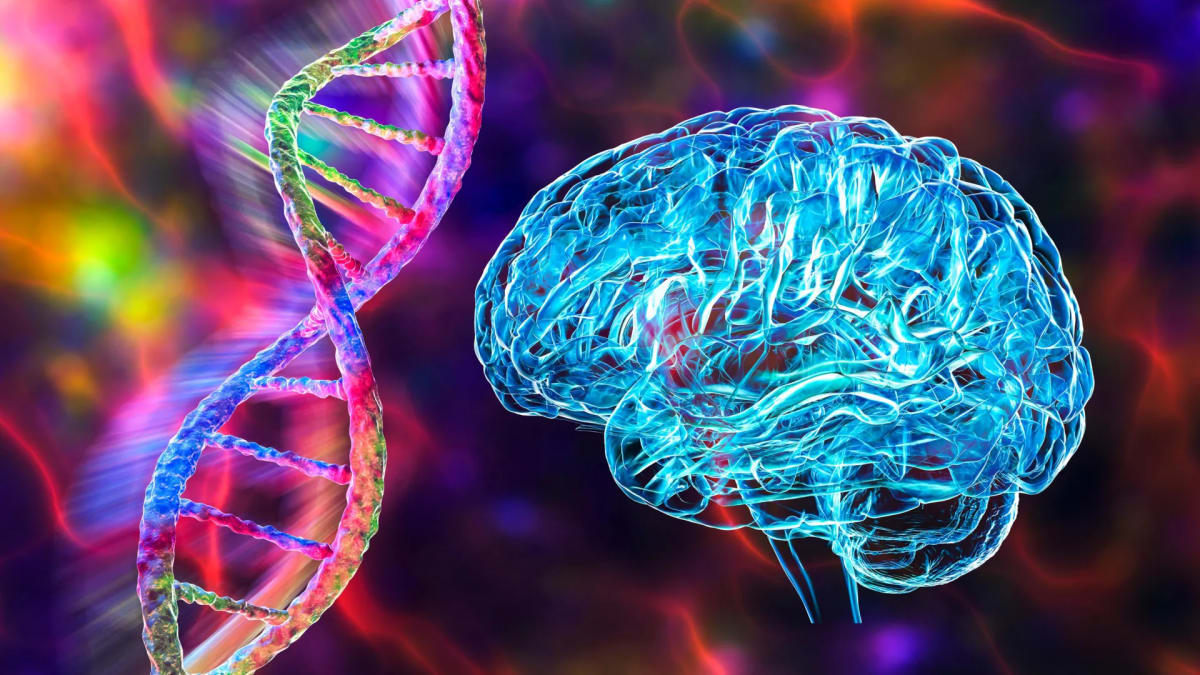
Human-Only Gene May Explain Our Unique Brainpower
Scientists discovered a uniquely human gene that slows brain development for years, possibly explaining why we have such remarkable thinking abilities. The gene keeps immune cells in our brains developing until age eight, creating stronger neural networks.
Scientists just uncovered a genetic secret that might explain why human brains are so extraordinarily powerful compared to other animals.
Researchers at Columbia University's Zuckerman Institute found that human microglia, the immune cells that help wire our brains during development, take four to eight years to fully mature. In mice, the same cells reach maturity in just three weeks.
The key lies in a gene called SRGAP2, which exists only in humans. Lead researcher Carlos Diaz-Salazar discovered this gene is nearly 10 times more active in microglia than in neurons, slowing their development dramatically.
This extended timeline matters more than you might think. Microglia do far more than fight infections in the brain. They decide which connections between brain cells to keep and which to eliminate, essentially sculpting our neural circuits as we grow.
The slower these cells mature, the more time they have to carefully fine-tune our brain's wiring. This creates denser, stronger networks of connections that help us process and store information more effectively.
The same SRGAP2 gene also slows down neuron development, creating more synapses while making them mature gradually. Both neurons and microglia developing in sync over years, rather than weeks, appears to be part of what makes human cognition so advanced.
Scientists call this extended development period neoteny. Compared to other mammals, human brains take an unusually long time to fully develop, and researchers believe this slow pace is crucial for our advanced thinking abilities.
Why This Inspires
This discovery represents more than just understanding what makes us human. The research team sees it as a roadmap for tackling brain diseases that affect millions of people.
Because microglia play roles in conditions like autism, ADHD, and Alzheimer's disease, understanding what makes human microglia special could lead to better treatments. The findings reveal targets scientists can focus on when developing therapies for neurodevelopmental and neurodegenerative conditions.
Dr. Franck Polleux, who led the research team, spent 15 years studying this human-specific gene. His dedication reflects a deeper quest to understand the biological features that distinguish our brains from those of our closest animal relatives.
The team is now working to identify all the ways this gene promotes slow development across different brain cell types. Each answer brings us closer to understanding not just what makes us cognitively unique, but how to protect those abilities when disease threatens them.
After millions of years of evolution, we're finally beginning to decode the genetic instructions that built our most powerful organ.
Based on reporting by Science Daily
This story was written by BrightWire based on verified news reports.
Spread the positivity!
Share this good news with someone who needs it
%2Fhttps%3A%2F%2Ftf-cmsv2-smithsonianmag-media.s3.amazonaws.com%2Ffiler_public%2F99%2F07%2F9907ed1f-0a19-4cb8-84d9-ac213cdf770a%2F0g6a0691.jpg)