Humans Built Artificial Islands 5,000 Years Ago in Scotland
Scientists discovered a prehistoric artificial island in Scotland that's 2,000 years older than previously thought possible. The find reveals our ancestors were engineering masters far earlier than we knew.
Ancient humans were building sophisticated artificial islands thousands of years before we thought they could.
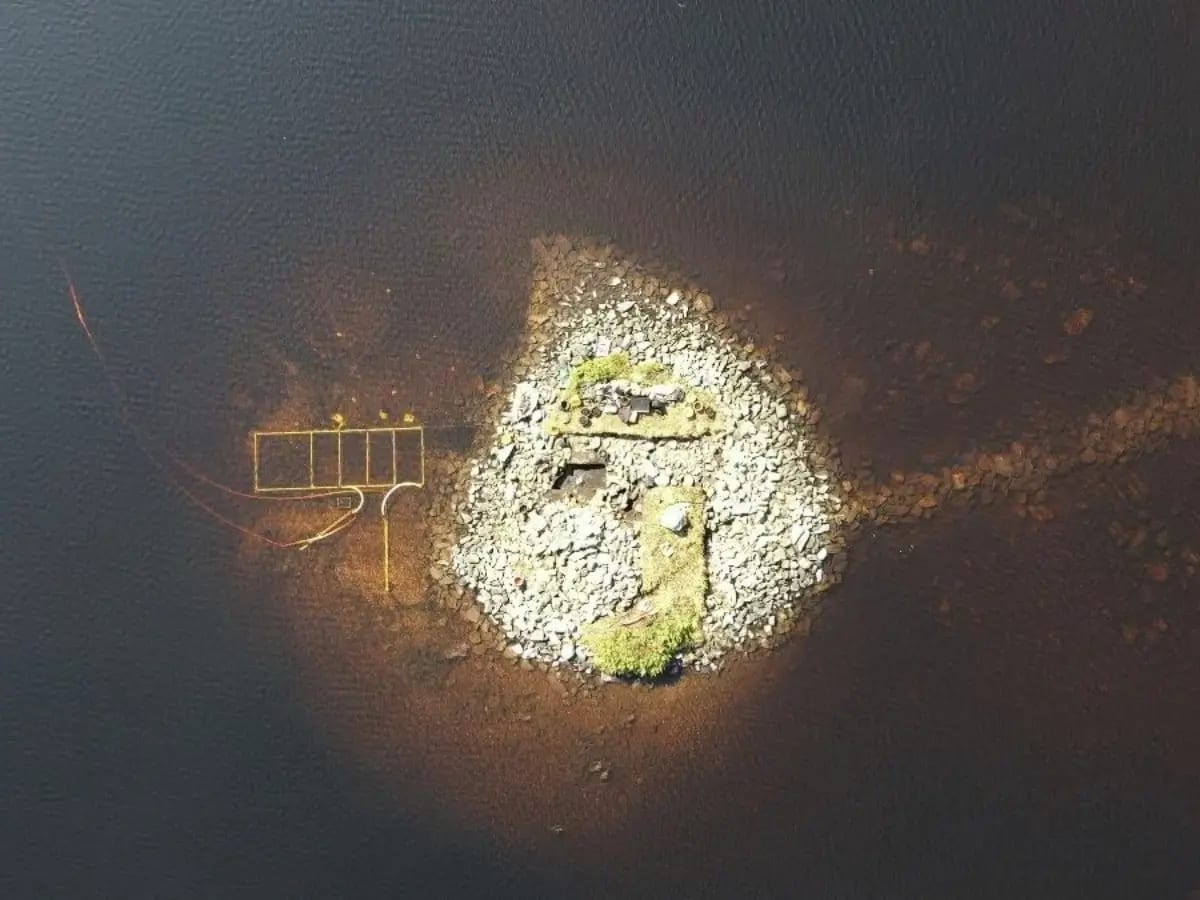
Archaeologists uncovered a 5,000-year-old artificial island called a crannog in Loch Bhorgastail on Scotland's Isle of Lewis. The structure dates back to 3800-3300 BCE during the Late Neolithic period, pushing back the timeline of this technology by roughly 2,000 years.
Until this discovery, scientists believed crannogs were only built between the Iron Age and post-medieval period. This finding rewrites what we know about prehistoric engineering capabilities.
The circular wooden platform spans about 75 feet and sits on carefully laid stone and wooden foundations topped with brushwood. Think of it as an ancient engineering project requiring planning, teamwork, and technical know-how that rivals many modern construction efforts.
Stephanie Blankshein, an archaeologist at the University of Southampton, explains that Scotland's lochs hide many of these artificial islands. Most remain unexplored beneath murky waters, waiting to reveal more secrets about our ingenious ancestors.
The research team used cutting-edge stereophotogrammetry to map the submerged structure in three dimensions. The shallow, murky water conditions made traditional underwater photography nearly impossible, but new imaging technology let scientists piece together the crannog's design from multiple photo angles.
Why This Inspires
This discovery challenges our assumptions about "primitive" humans and shows that innovation has always been part of our DNA. People living 5,000 years ago didn't just survive—they thrived, creating complex structures that required advanced planning, resource management, and collaborative effort.
The find reminds us that human ingenuity isn't new. Our ancestors solved complex engineering problems without modern tools, computers, or formal education systems.
Scotland's lochs likely hold dozens more of these hidden marvels. Each undiscovered crannog represents another untold story of human achievement waiting beneath the surface.
The research, published in Advances in Archaeological Practice, opens doors for rethinking what prehistoric communities could accomplish. These weren't simple hunter-gatherers—they were architects, engineers, and visionaries who literally built their world from the ground up.
Every new archaeological discovery like this one connects us to our past while inspiring confidence in our future problem-solving abilities.
Based on reporting by Google News - Scientists Discover
This story was written by BrightWire based on verified news reports.
Spread the positivity!
Share this good news with someone who needs it