Humans Return to Moon in April After 50-Year Wait
NASA's Artemis 2 mission will send four astronauts around the moon this April, marking humanity's first lunar voyage in over half a century. The nine-day journey represents a giant leap toward establishing a lasting human presence beyond Earth.
For the first time since 1972, humans are heading back to the moon, and the countdown is finally here.
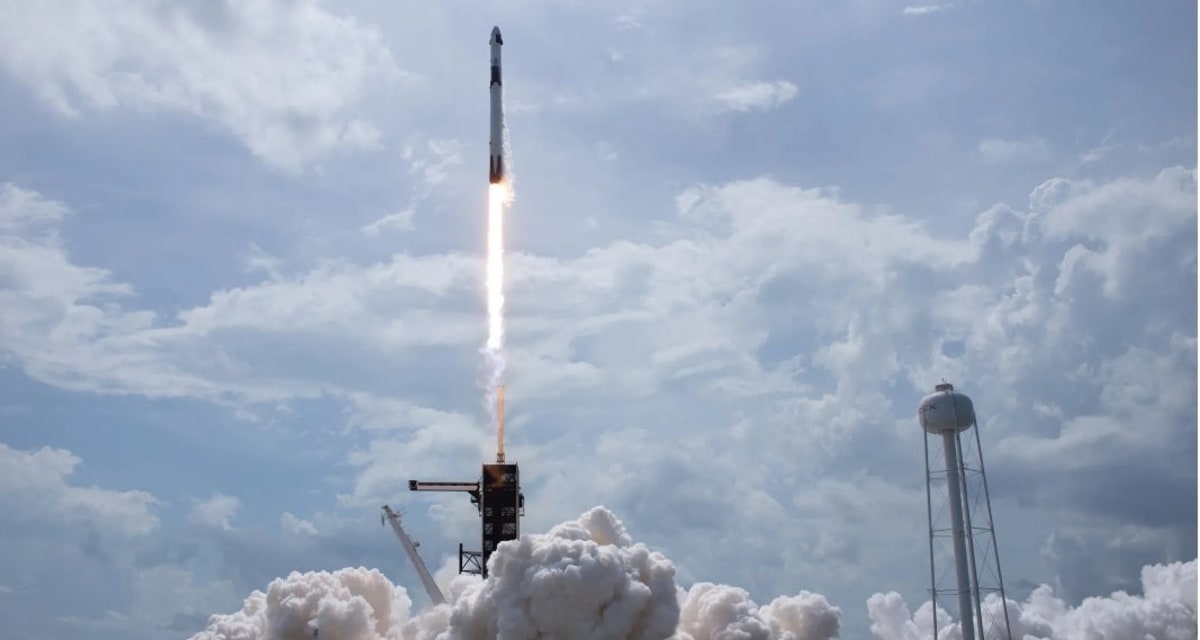
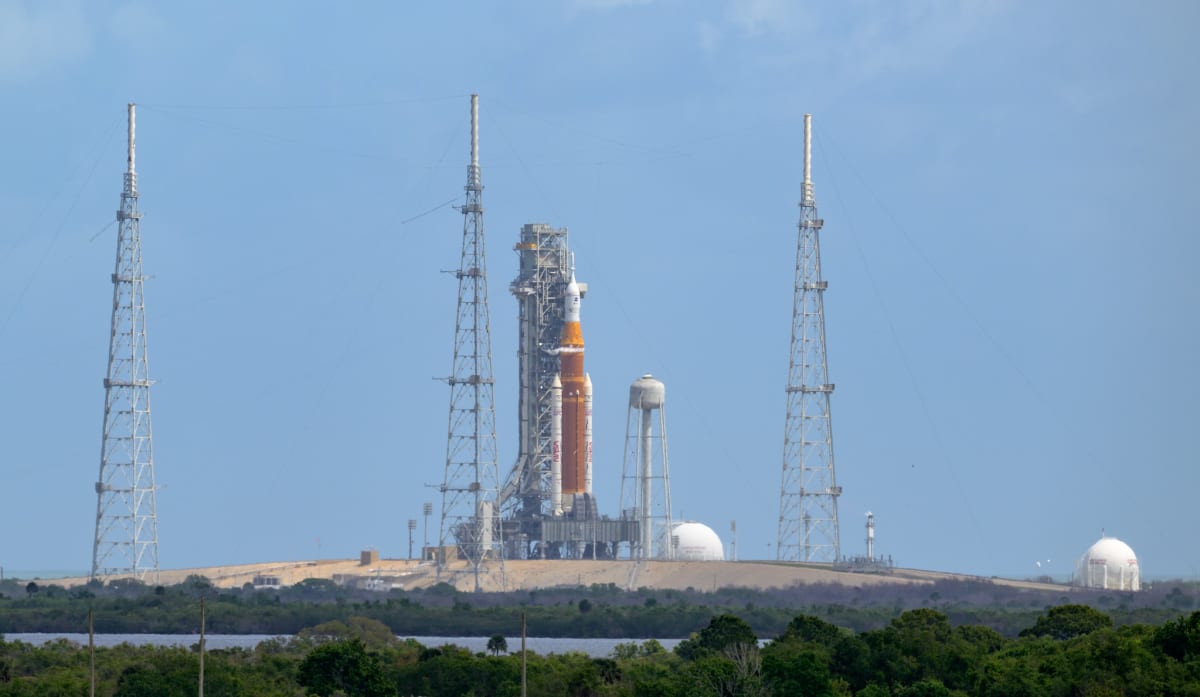
NASA's Artemis 2 mission will launch from Kennedy Space Center in early April, carrying four astronauts on a historic journey around the moon. The mission marks the first crewed flight of the Orion spacecraft and the powerful Space Launch System rocket.
The journey will last just over nine days, though NASA rounds it up to 10. After launching from the iconic Launch Complex 39B, Orion will spend its first day in Earth orbit while the crew tests critical life support systems that couldn't be fully checked during the uncrewed Artemis 1 flight in 2022.
About 25 hours after launch, Orion's engine will fire to send the spacecraft toward the moon on what's called a free-return trajectory. That means even without using the engine again, the spacecraft would naturally loop around the moon and come home safely.
During the outbound journey, the crew will stay busy testing emergency procedures, including how quickly they can get into their spacesuits. They'll also capture observations of the lunar surface using cameras and their own eyes, working with scientists who have planned viewing opportunities based on the exact launch date.
Five days into the mission, Orion will reach its farthest point from Earth. Depending on the launch day, the crew could break Apollo 13's record for the greatest distance humans have ever traveled from home.
Why This Inspires
This mission represents more than nostalgia for the Apollo era. Every test the Artemis 2 crew performs brings us closer to landing astronauts on the lunar surface with Artemis 3, and eventually establishing a permanent base where humans can live and work.
The crew will test manual flying controls, getting a feel for how Orion handles in space. NASA's Orion program manager Howard Hu calls it a chance to "test drive the car" before more complex missions begin.
One crucial demonstration involves maneuvering Orion within 10 meters of another spacecraft, practicing the precision needed for future missions when Orion will dock with a lunar lander. These skills will be essential when astronauts need to transfer between vehicles on the moon.
The return home will be carefully monitored, especially the reentry through Earth's atmosphere. NASA modified the reentry path after studying unexpected heat shield erosion on Artemis 1, ensuring the crew's safe splashdown off the coast of San Diego.
After more than 50 years of waiting, watching, and wondering when we'd return to the moon, that day is almost here.
More Images



Based on reporting by SpaceNews
This story was written by BrightWire based on verified news reports.
Spread the positivity!
Share this good news with someone who needs it