NASA Rover Explores Mars' Oldest Rocks in 5-Year Mission
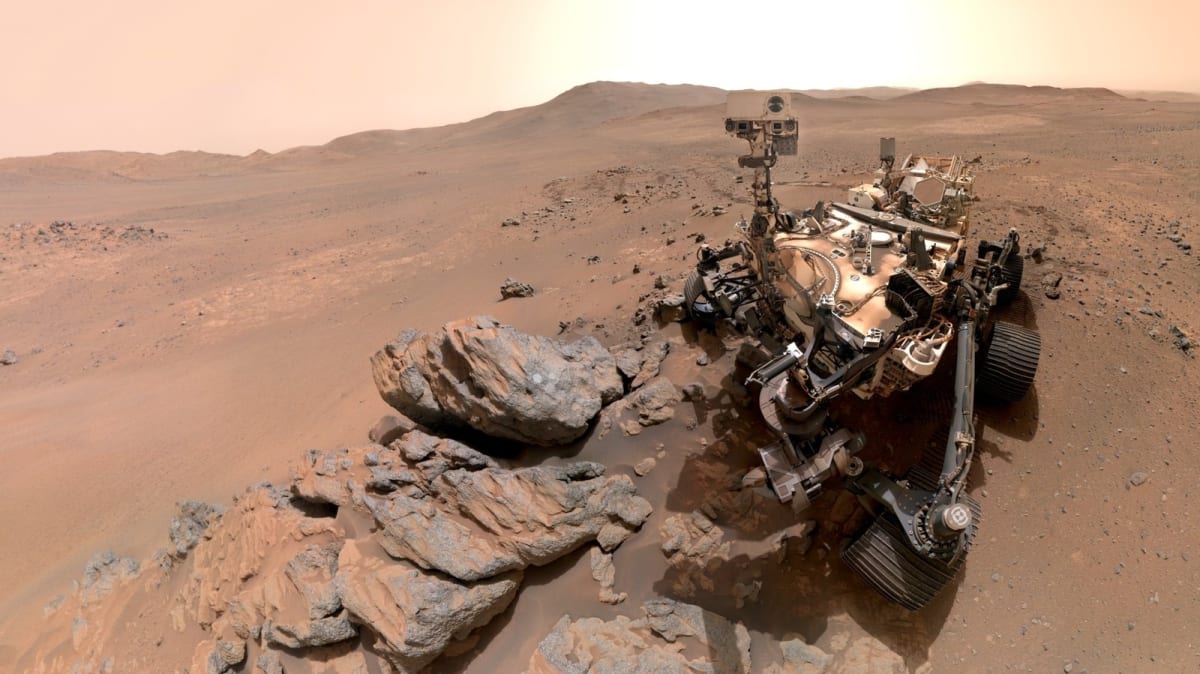
NASA's Perseverance rover just snapped its sixth selfie from Mars while exploring some of the oldest terrain it's encountered in five years. The rover is now studying rocks nearly 3.9 billion years old that could hold clues to ancient microbial life.
After five years of exploring Mars' Jezero Crater, NASA's Perseverance rover has ventured into what scientists are calling some of the most compelling terrain it's ever visited.
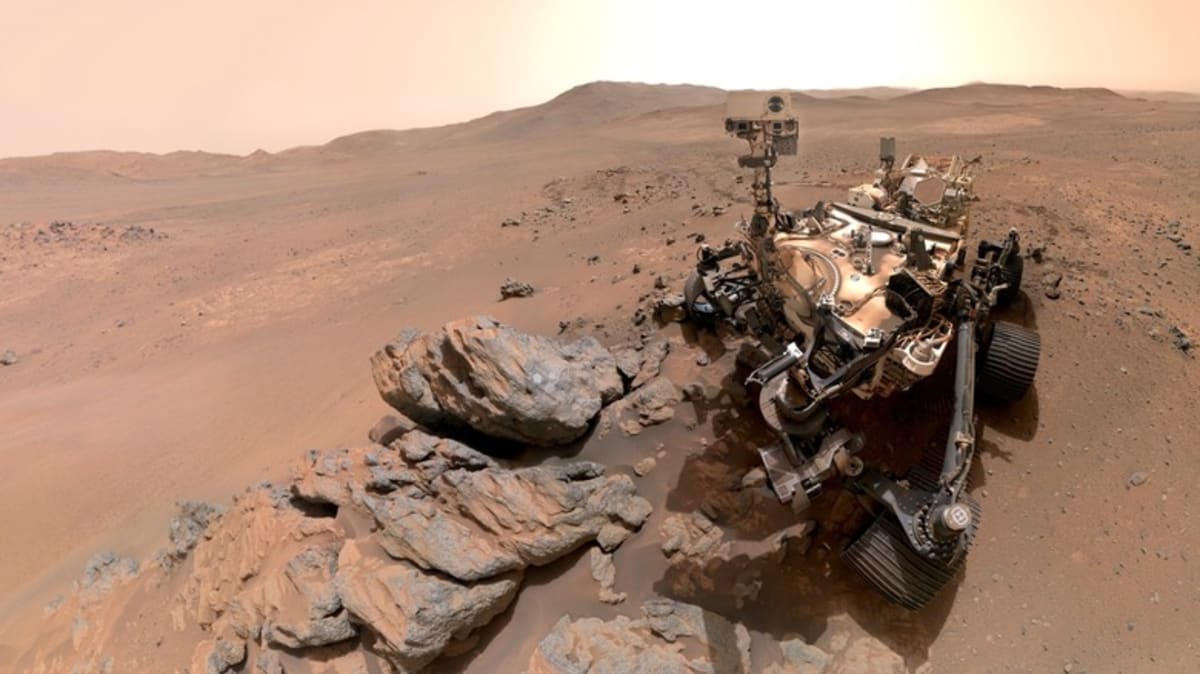
The rover recently snapped a selfie at a rocky outcrop called "Arathusa" in the Lac de Charmes region, marking its farthest journey west yet. NASA stitched together 61 images taken on March 11 to create an animated version showing Perseverance swiveling its camera head to survey the alien landscape.
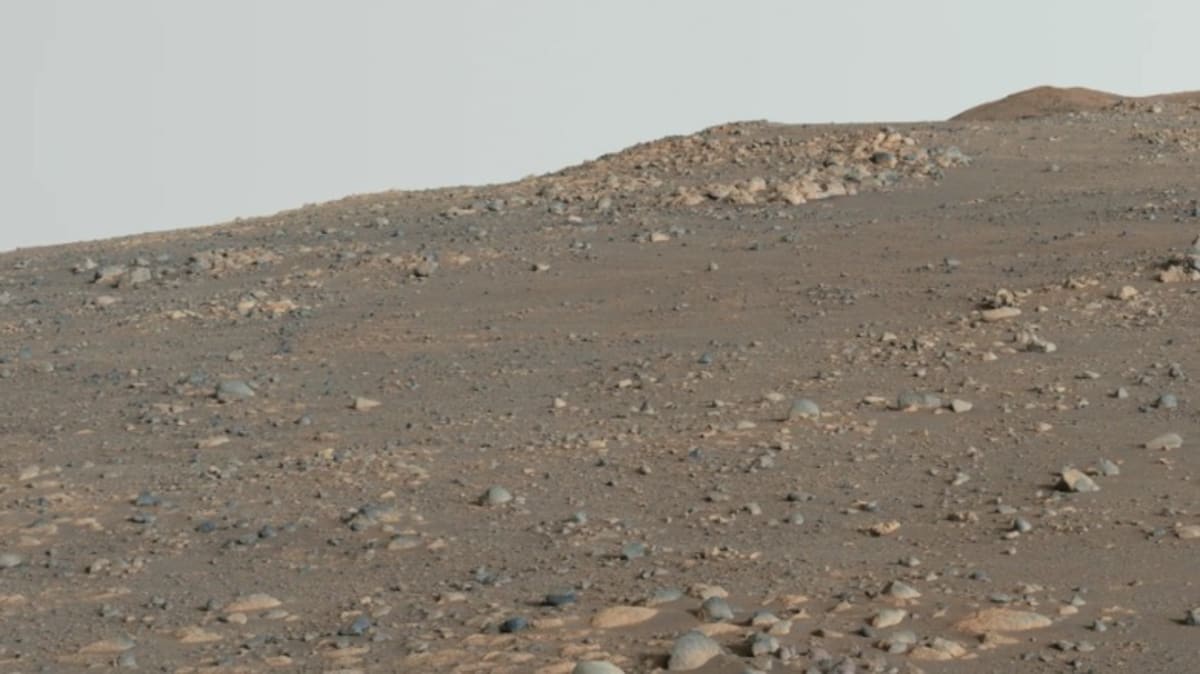
Perseverance has since moved to a nearby area called "Arbot," where it's studying rocks that tower as large as skyscrapers. These massive boulders likely crashed into the region after a meteorite impact nearly 3.9 billion years ago, making them some of the oldest geological features the mission will investigate.
"These are likely the oldest rocks we are going to investigate during this mission," said Ken Farley, Perseverance's deputy project scientist at Caltech. The site also features what may be a volcanic dike, a vertical column of magma that hardened in place and remained standing as softer surrounding rock eroded away over billions of years.
The location matters because Jezero Crater is thought to be one of the most promising sites for finding signs of ancient microbial life on Mars. Perseverance isn't just taking pretty pictures; it's collecting rock core samples and grinding down rock surfaces so scientists back on Earth can analyze their composition.
Why This Inspires
Every selfie and panorama from Mars represents years of human ingenuity and collaboration. The fact that we can remotely operate a rover on another planet, studying rocks that formed billions of years before humans existed, shows what's possible when we invest in scientific exploration.
Perseverance will continue studying the Arbot region before moving south to a site called "Gardevarri." Each stop brings us closer to answering one of humanity's biggest questions: were we ever alone in the universe?
More Images
Based on reporting by Engadget
This story was written by BrightWire based on verified news reports.
Spread the positivity!
Share this good news with someone who needs it