Humans Survived a Supervolcano 74,000 Years Ago
When Earth's biggest volcanic eruption in 2.5 million years darkened the skies 74,000 years ago, early humans didn't just survive. They adapted, innovated, and proved just how resilient our species really is.
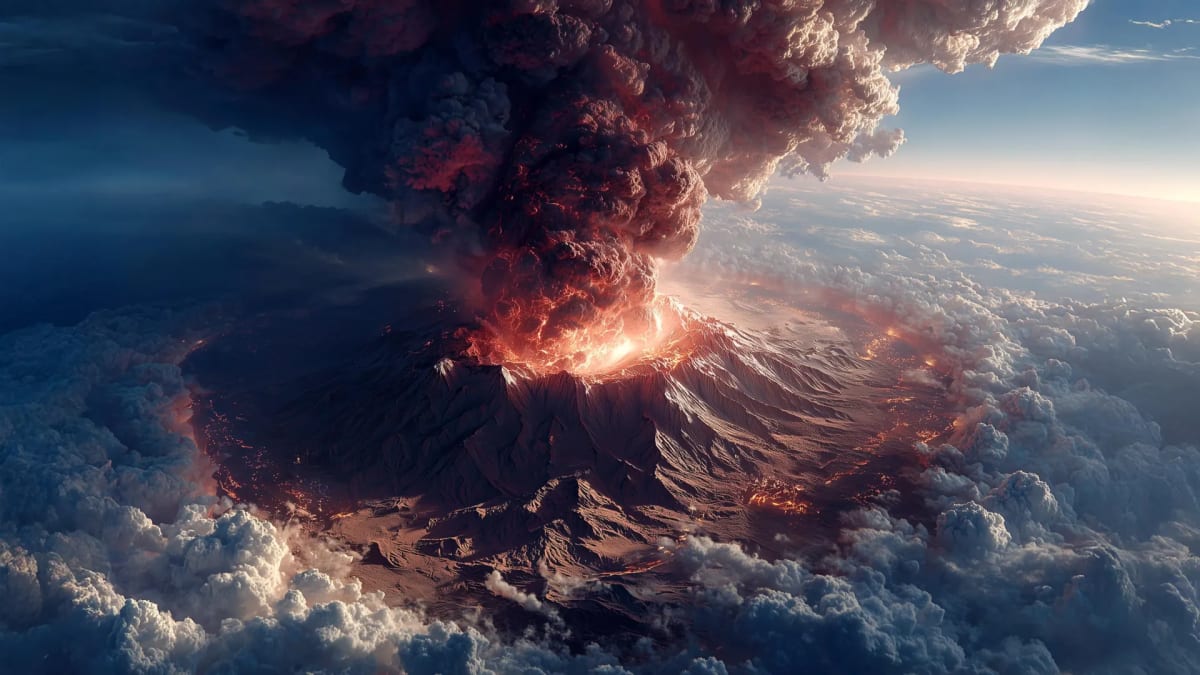
Seventy four thousand years ago, the Toba supervolcano in Indonesia unleashed one of Earth's most powerful eruptions in over 2 million years. The blast was 10,000 times larger than Mount St. Helens, shooting 672 cubic miles of ash into the atmosphere and possibly plunging the planet into years of darkness and cold.
Scientists once thought this disaster nearly wiped out humanity, reducing our population to fewer than 10,000 people. But new archaeological evidence tells a very different story about our ancestors' strength.
Researchers studying ancient sites in Africa and Asia have discovered something remarkable. At Pinnacle Point in South Africa, they found microscopic volcanic glass from Toba mixed with clear signs that humans never left. Human activity actually increased after the eruption, along with evidence of new tools and technologies.
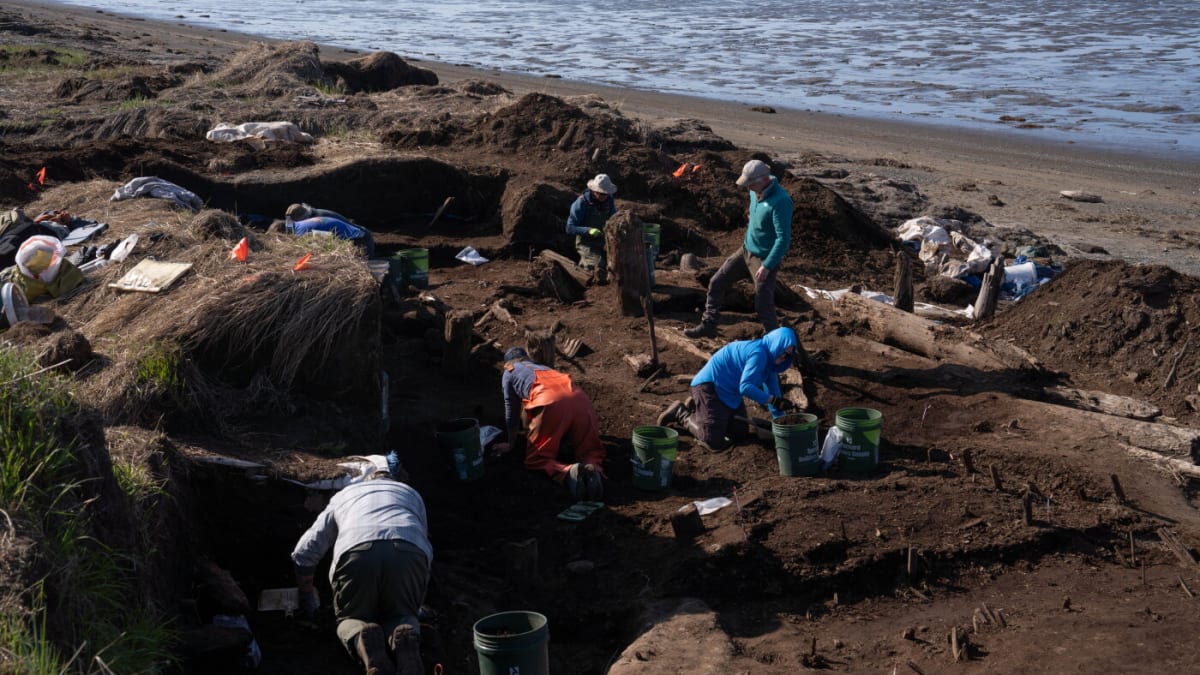
The team used painstaking methods to find these clues, searching for tiny volcanic glass shards invisible to the naked eye. Each fragment has a unique chemical fingerprint that can be traced back to specific eruptions. Finding these microscopic needles in ancient dirt sometimes takes months of careful lab work.
At Shinfa-Metema 1 in Ethiopia, people adapted by tracking seasonal rivers and fishing in waterholes during dry periods. Around the same time, communities in the region started using bow and arrow technology, showing they could innovate under pressure.
These discoveries challenge the old "Toba catastrophe" theory that suggested the eruption caused a devastating population collapse. While people living closest to the volcano likely perished, communities farther away found ways to survive the ash, acid rain, and possible years of volcanic winter.
Why This Inspires
This research reveals something powerful about human nature. When faced with a planet-altering disaster that darkened skies and buried landscapes in ash, our ancestors didn't give up.
They changed their hunting strategies, developed new tools, and adjusted to completely transformed environments. Their flexibility and creativity in the face of unimaginable hardship helped ensure our species would continue.
The volcanic glass they left behind tells a story of adaptation, not extinction, reminding us that humans have always found ways to survive and thrive, even in the darkest times.
More Images

Based on reporting by Science Daily
This story was written by BrightWire based on verified news reports.
Spread the positivity!
Share this good news with someone who needs it