Humber Estuary Seagrass Trial Paves Way for Full Restoration
A groundbreaking trial in England's Humber Estuary has successfully proven methods to restore vast underwater meadows that fight climate change 35 times faster than rainforests. The project could bring back over 1,000 acres of protective habitat lost to pollution.
Scientists just cracked the code on restoring an underwater wonder that captures carbon faster than any forest on Earth.
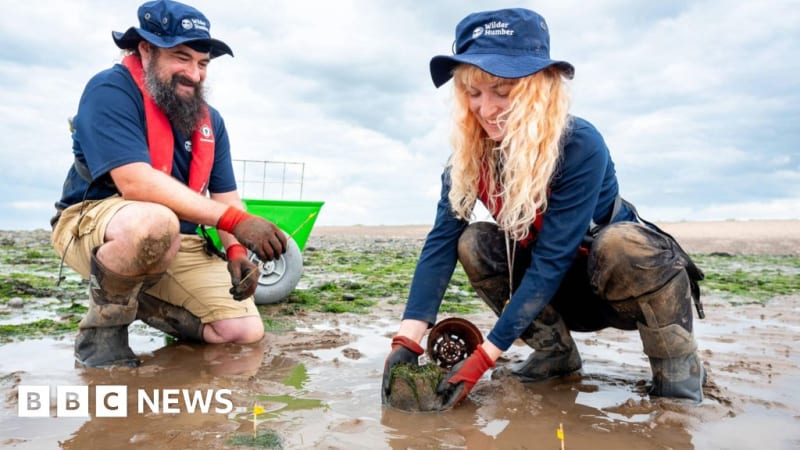
After a full growing season of careful testing, researchers have proven they can bring back massive seagrass meadows to England's Humber Estuary. The saltwater plant once blanketed 1,100 acres of the estuary floor but shrank to just 12 acres by 2000 due to pollution and disease.
Dr. Andy van der Schatte Olivier from Yorkshire Wildlife Trust led the trial that tested three different planting techniques. Two methods worked beautifully: injecting seeds directly into the seabed and transplanting small patches of existing seagrass.
"We're giving these meadows the best possible chance to recover, thrive and deliver real benefits for wildlife, climate and coastal communities," he said. The success is especially remarkable because the Humber is a dynamic, challenging environment for plants to take root.
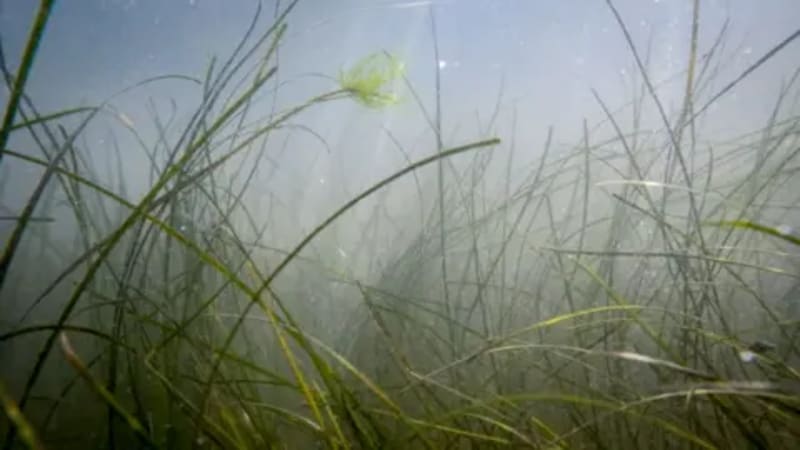
Seagrass might look humble, but its superpowers are stunning. According to Wilder Humber, the partnership behind the restoration, these underwater meadows capture carbon up to 35 times faster than tropical rainforests. They also act as natural water filters by absorbing pollutants.
The meadows create bustling neighborhoods for fish, eels and birds while shielding coastlines from storms and erosion. Communities along the Humber stand to gain protection from increasingly severe weather as climate patterns shift.
The Ripple Effect
This trial represents more than just bringing back a plant. It's a blueprint for large-scale ocean restoration that could spread to estuaries worldwide facing similar losses.
The successful techniques mean teams can now move forward with confidence, knowing exactly how to plant for maximum survival. What took nature centuries to build and decades to destroy could return within years.
Coastal communities will see clearer water, more abundant fishing grounds and natural storm barriers. Wildlife will reclaim lost habitat. And the atmosphere will benefit from a powerful new carbon sink pulling greenhouse gases from the air.
The partnership, supported by renewable energy firm Orsted, plans to begin full-scale restoration soon. From 12 acres back toward 1,100 acres represents one of the most ambitious marine habitat recoveries ever attempted in UK waters.
Every seed that takes root in the Humber seabed is a small victory for the planet and proof that we can reverse environmental damage when we combine scientific rigor with determination.
More Images
Based on reporting by BBC Science
This story was written by BrightWire based on verified news reports.
Spread the positivity!
Share this good news with someone who needs it