Humpback Whale Swims 9,300 Miles, Shatters World Record
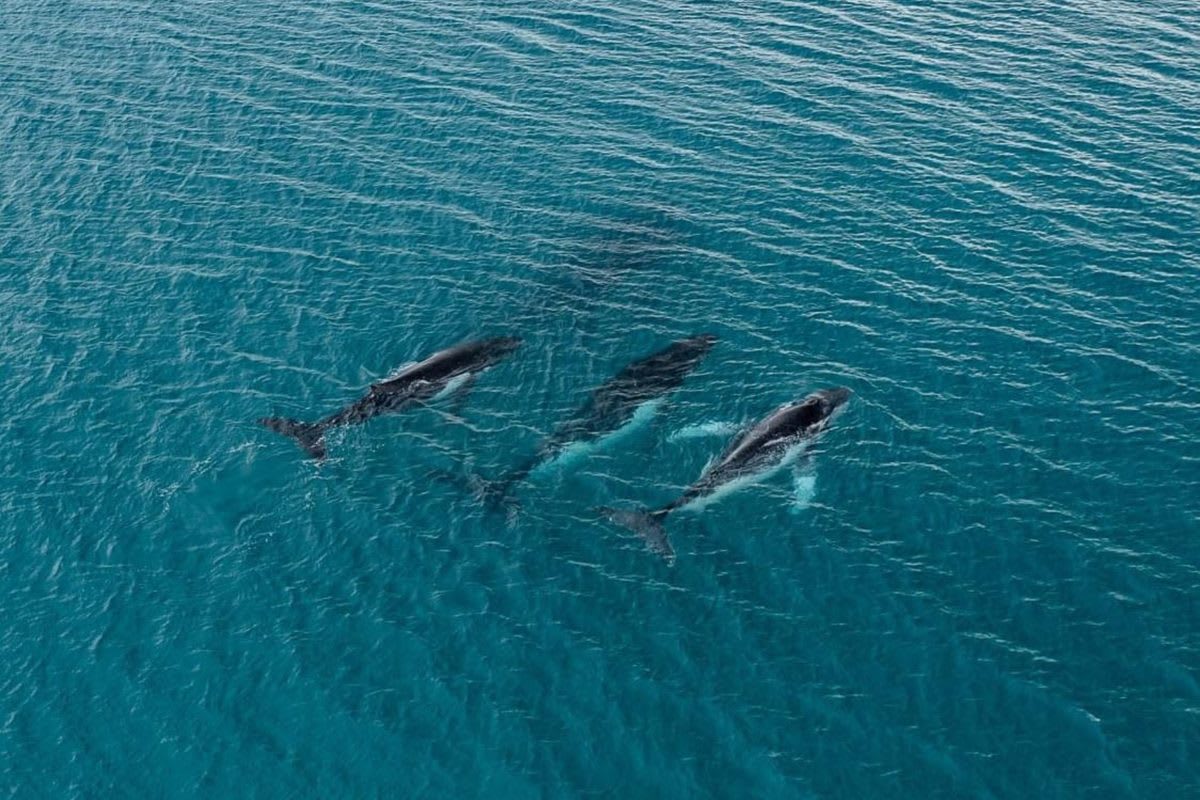
A humpback whale just shattered the world record by swimming over 9,300 miles from Brazil to Australia, stunning scientists who thought whales always returned to the same breeding grounds. Thanks to tourists and researchers uploading tail photos to a global database, this incredible discovery shows nature still has surprises up its sleeve.
Scientists just discovered something that shouldn't be possible: a humpback whale that swam more than 9,300 miles across two oceans to start a new life on the other side of the planet.
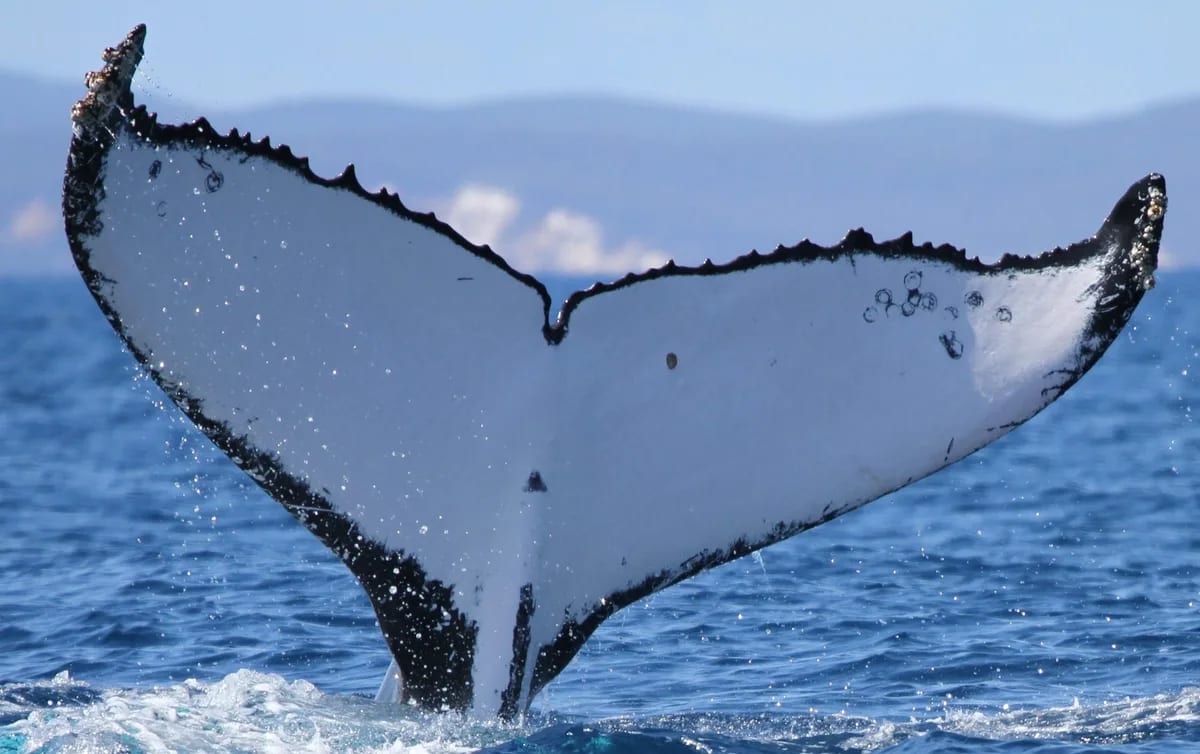
For 40 years, researchers have been photographing whale tail flukes, which work like fingerprints to identify individual whales. The underside of each humpback's tail has a unique black and white pattern that stays the same throughout its lifetime, making it perfect for tracking individual whales across the globe.
When Stephanie Stack, a humpback whale researcher at Griffith University in Australia, compared photos from a database called Happywhale, she couldn't believe her eyes. Among 19,283 pictures from eastern Australia and Latin America, two whales appeared in both locations, thousands of miles apart.
"I had to check the photos multiple times for myself to believe it was true," says Stack. The record breaker was spotted at Abrolhos Bank, Brazil in 2003, then showed up in Australia's Hervey Bay in 2025, covering roughly 9,300 miles. A second whale made a similar journey, traveling about 8,820 miles between Queensland and São Paulo.
These journeys crush the previous record of 8,100 miles, held by a whale that swam from Colombia to Tanzania. What makes this even more remarkable is how rare these crossings are, occurring in only 0.01 percent of identified whales.
Humpback whales typically return to the same breeding grounds year after year, making this discovery a game changer. "Finding not one but two individuals that have crossed between Australia and Brazil challenges what we thought we knew about how separate these populations really are," Stack explains.
The discovery supports something called the Southern Ocean Hypothesis. During Antarctic summer, humpback whales from different breeding populations gather at the same feeding grounds, and occasionally an adventurous individual follows a different route home to explore new breeding grounds.
These rare ocean crossings might seem like wanderlust, but they serve an important purpose. When whales mix between populations, they help maintain genetic diversity and may even explain how whale songs spread across ocean basins, keeping populations healthy and connected.
Why This Inspires
This discovery happened because everyday people wanted to help. Tourists and citizen scientists around the world shared their whale photos with Happywhale, contributing to research that uncovered one of the most extreme animal movements ever recorded.
"This kind of research highlights the value of citizen science," says Cristina Castro from the Pacific Whale Foundation. "Every photo contributes to our understanding of whale biology."
The next time you snap a picture of a whale tail, you might just help scientists rewrite what we know about these magnificent ocean travelers.
More Images
Based on reporting by Google News - World Record
This story was written by BrightWire based on verified news reports.
Spread the positivity!
Share this good news with someone who needs it