Hungary Gets €210M for Massive Solar and Battery Project
Hungary just secured one of the largest renewable energy deals in Central and Eastern Europe, with a €210 million investment powering a groundbreaking solar and battery project. When it goes live later this year, it will pump 448 GWh of clean electricity into the grid annually without needing a cent of government subsidies.
A major renewable energy milestone is taking shape in northeastern Hungary, and it's happening entirely on market terms.
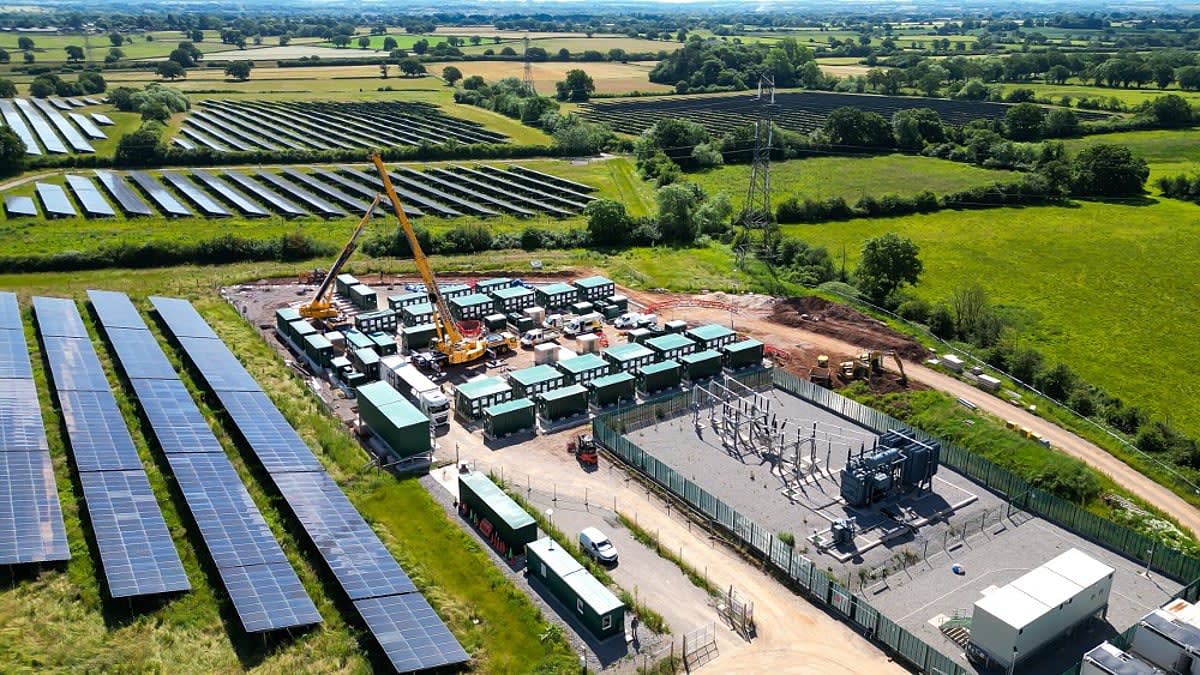
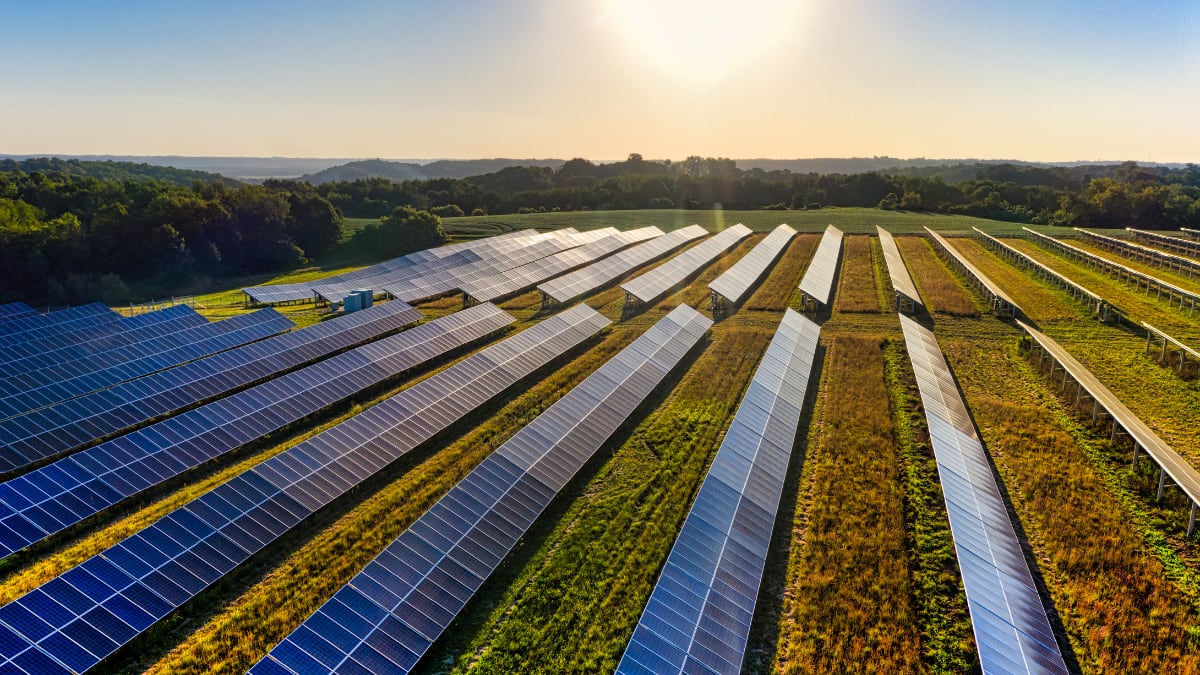
The European Bank for Reconstruction and Development just approved a €70 million loan as part of a €210 million financing package for Renalfa IPP, an independent power producer. The money will build a 450 MW solar farm paired with 250 MW of battery storage across northeastern Hungary.
This isn't just big. It's one of the first utility-scale hybrid renewable projects in Central and Eastern Europe to receive full project financing. The combination of massive solar generation and battery storage in one project represents a new model for the region.
What makes this deal even more remarkable is what it doesn't need. The entire project will sell electricity directly to the Hungarian market without government subsidies or corporate power purchase agreements. That proves renewable energy can stand on its own financially in Hungary.
Once operational later this year, the project will generate around 448 GWh of clean electricity annually. That's enough to make a serious dent in Hungary's goal of getting 30 percent of its energy from renewable sources by 2030.
The Ripple Effect
This investment does more than add solar panels to Hungary's energy mix. The battery storage component solves one of renewable energy's biggest challenges: reliability.
Solar and wind power naturally fluctuate throughout the day. The 250 MW battery system will store excess energy when the sun is blazing and release it when demand spikes or clouds roll in. That means cleaner baseload power and a more stable grid for everyone.
For a country facing energy volatility, this flexibility matters enormously. Hungary hasn't seen an EBRD energy investment since 2010, so this return signals renewed confidence in the country's green transition.
The project also sets a template other countries in Central and Eastern Europe can follow. Grzegorz Zielinski, EBRD's Head of Energy Europe, noted the development will strengthen not just Hungary's energy system but serve as an important example for the entire region.
Renalfa IPP's CEO Ivo Prokopiev emphasized the hybrid system will deliver "green baseload electricity" while providing flexibility services to the grid. That's energy sector speak for reliable, clean power that adapts to real-time needs.
This marks the EBRD's first Hungarian energy project in 14 years and brings the bank's total investment in the country to more than €3.7 billion across 220 projects. A new era of market-driven renewable energy in Central Europe is officially underway.
More Images


Based on reporting by Google: clean energy investment
This story was written by BrightWire based on verified news reports.
Spread the positivity!
Share this good news with someone who needs it