Hungary's New PM May Repeal Anti-LGBTQ Laws After EU Ruling
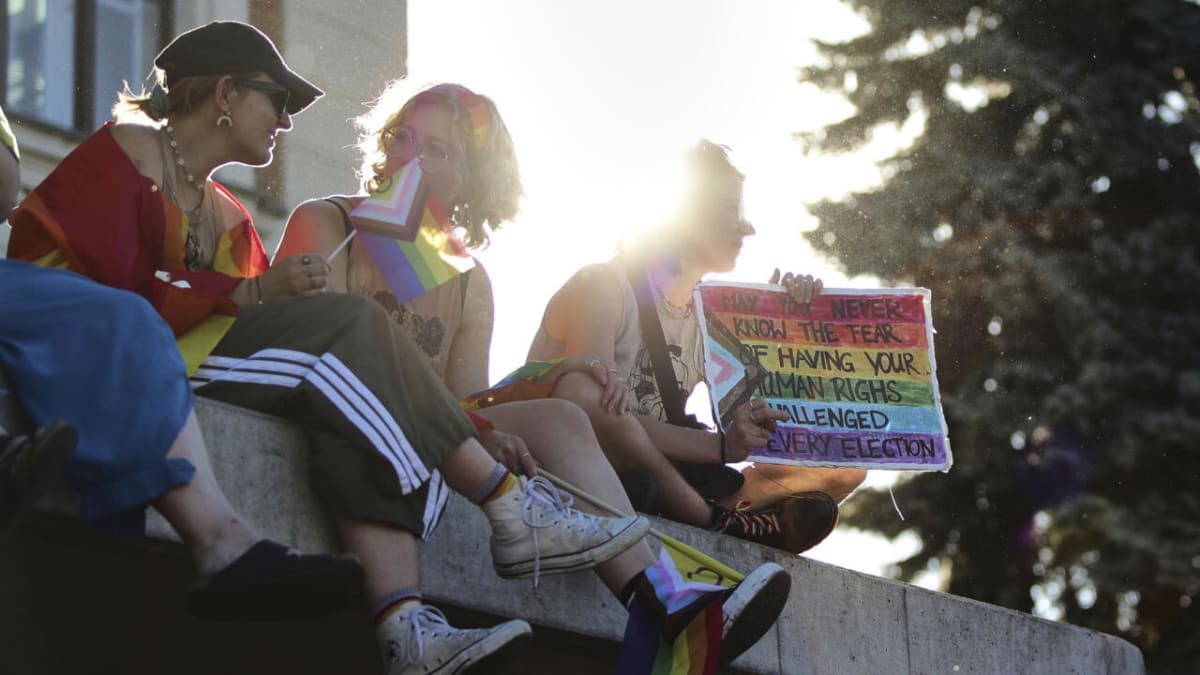
After 16 years under Viktor Orban's government, Hungary elected centrist Peter Magyar in April, bringing hope to LGBTQ communities waiting for discriminatory laws to be overturned. Rights advocates remain cautiously optimistic as they await concrete action following a landmark EU court ruling.
When Peter Magyar swept to power in April with a historic landslide victory, Hungary's LGBTQ community felt something they hadn't experienced in years: hope.
Magyar's Tisza Party won 138 of 199 parliamentary seats, ending Viktor Orban's 16-year rule with the highest voter turnout in Hungary's recent history. That supermajority gives the new prime minister the constitutional power to dismantle over a decade of anti-LGBTQ legislation.
"We are very hopeful that changes will be made," said Eszter Polgari, legal program director at Hatter Society, Hungary's leading LGBTQ rights organization. "But we are more hesitant to say anything concrete when it comes to the timing."
The laws Orban left behind paint a grim picture. In 2020, Hungary stripped transgender and intersex people of their right to legal gender recognition, forcing them to use documents that don't match their identity for simple tasks like banking or picking up mail.
A 2021 "propaganda law" banned any content promoting homosexuality or gender diversity to anyone under 18 across schools, media, and advertising. Bookstores had to wrap LGBTQ-themed books in plastic and keep them away from schools and churches.
Then in early 2025, parliament criminalized Pride marches entirely, threatening organizers with up to one year in prison. Despite the ban, up to 200,000 people flooded Budapest last June for Pride in one of the largest anti-government demonstrations in years.
The Ripple Effect
The European Court of Justice delivered a powerful blow to Orban's legacy in April. The court ruled Hungary's anti-LGBTQ laws violated EU law, marking the first time any member state had been found in breach of Article 2 of the Treaty on European Union for such legislation.
The judgment found that treating LGBTQ people as inherently harmful to children violated fundamental rights, including freedom of expression and the prohibition on discrimination. "That is a very, very strong judgment," Polgari noted.
Hungary's new justice minister nominee acknowledged in May that the government needs to make "lawful corrections" to align Hungarian law with European standards. However, no timeline has been announced yet.
Magyar deliberately avoided LGBTQ issues during his campaign, which some experts believe was strategic rather than evasive. "He refused to let Orban set the terrain," said Judit Takacs, a research professor in Budapest, noting Magyar successfully won support from both liberal and conservative voters.
For David Vig, director of Amnesty International Hungary, the wait continues with measured optimism. "People are moderately optimistic, but we will have to wait to see changes at the legislative level."
After years of state-sponsored discrimination, Hungary's LGBTQ community finally has reason to believe change is coming.
More Images

Based on reporting by France 24 English
This story was written by BrightWire based on verified news reports.
Spread the positivity!
Share this good news with someone who needs it