Hybrid Aircraft Engine Cuts Fuel Use 30% in Major Test
A new hybrid engine that combines turboprop and electric power just passed a crucial test, promising to make regional flights much cleaner without grounding existing planes. Best part? Airlines can retrofit their current aircraft instead of buying new ones.
📺 Watch the full story above
Flying cleaner just got a lot more practical for the thousands of regional planes connecting smaller cities across the globe.
Aerospace giant RTX just hit a major milestone with a hybrid engine system that could transform how we fly. On March 3, 2026, their new turboprop-electric engine ran at full power in testing, proving it can deliver the efficiency of electric flight without the crippling weight problems that have kept electric planes grounded.
Here's the clever part. Instead of batteries powering everything like in a Toyota Prius, this system lets a traditional turboprop engine and a 1-megawatt electric motor work together through a shared gearbox. Think of it as tag-teaming: the electric motor helps during power-hungry takeoffs and climbs while the main engine runs smoothly at a steady pace.
The electric motor pulls double duty too. During descent, it switches to generator mode and recharges the 200-kilowatt-hour battery system, recovering energy that normally goes to waste.
The numbers tell an exciting story. RTX projects 30% less fuel consumption and 20% lower maintenance costs compared to current engines. That's huge for airlines watching every penny and every emission.
But the real breakthrough isn't just the technology. It's that airlines won't need to buy completely new aircraft to go greener. The system is designed to retrofit into existing regional planes, meaning thousands of aircraft already flying routes today could get this upgrade.
The Ripple Effect
This matters beyond just one engine design. Regional aircraft connect smaller communities to major hubs, making air travel accessible to millions who don't live near big city airports. Making these routes cleaner and cheaper keeps those connections alive while reducing aviation's environmental footprint.
The hybrid approach solves electric aviation's biggest headache: energy density. Batteries simply can't match jet fuel's power-to-weight ratio, which is why fully electric planes remain limited to very short hops with just a handful of passengers. By combining both power sources, this system gets the best of both worlds.
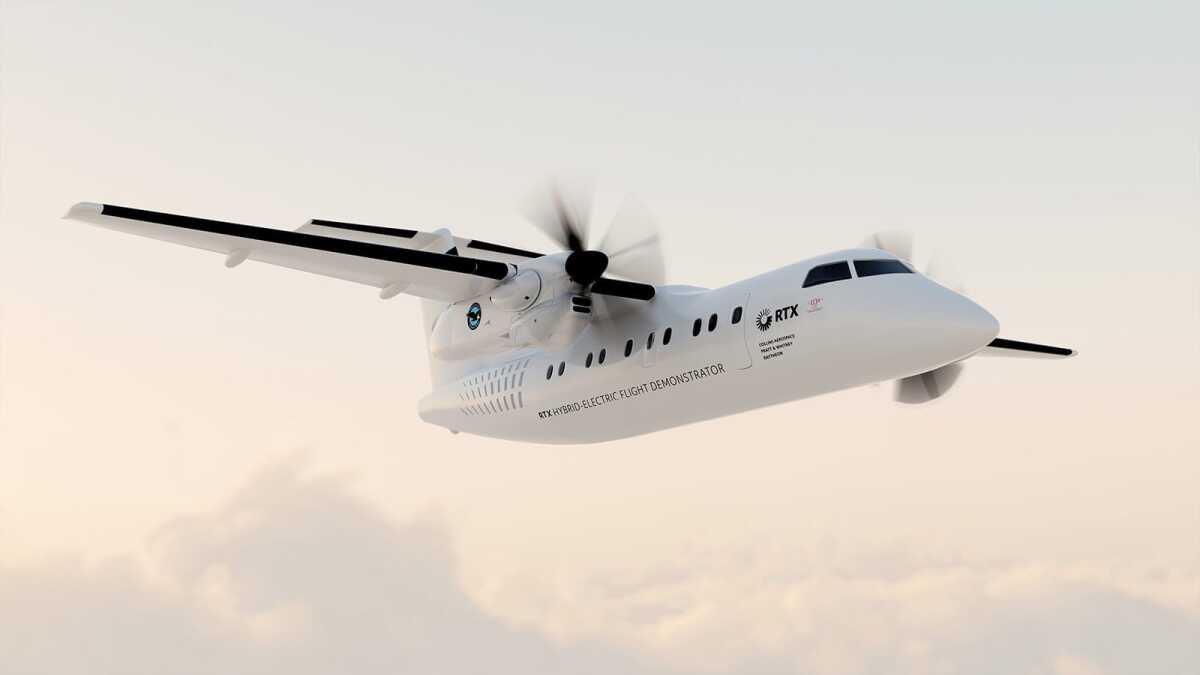
Flight testing begins later this year at AeroTEC in Washington state using a modified Dash 8-100 aircraft. If successful, airlines could start upgrading their fleets without the massive capital expense of replacing entire aircraft.
"People don't want to fly an empty plane filled with batteries," said Rémi Robache, a program manager at Pratt & Whitney. "It's about minimizing the energy that you need to bring a passenger from A to B."
The system even runs on 100% sustainable aviation fuel, adding another layer of environmental benefit. As testing continues through 2026, the aviation industry is watching closely to see if hybrid power can finally crack the code on cleaner regional flight.
More Images



Based on reporting by New Atlas
This story was written by BrightWire based on verified news reports.
Spread the positivity!
Share this good news with someone who needs it