Hydrogen Car Hits 368 MPH, Smashes 16-Year Speed Record
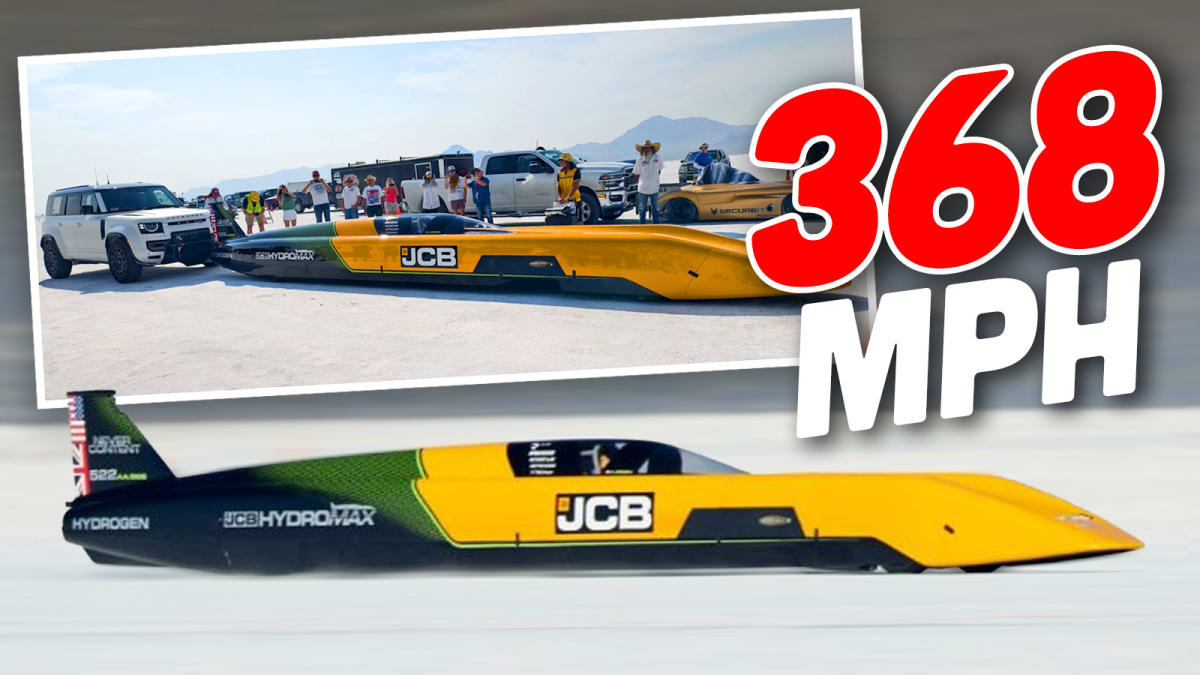
A car powered by two hydrogen engines from construction equipment just broke a 16-year-old land speed record at Utah's Bonneville Salt Flats, reaching 368 miles per hour. The achievement proves hydrogen engines can deliver extreme performance while producing zero emissions.
A hydrogen-powered car just blasted across the Bonneville Salt Flats at 368 miles per hour, shattering a speed record that stood for 16 years.
The Hydromax, built by British construction equipment maker JCB, roared past the previous record during SpeedWeek in northwestern Utah. What makes this achievement remarkable isn't just the speed. It's what powers it: two engines designed for backhoes and construction loaders.
JCB took its newly certified hydrogen combustion engines and pushed them to their limits. Each 4.8-liter engine normally produces 74 horsepower for digging and lifting. For this record attempt, engineers cranked the RPM from 2,200 to 4,000, upgraded the fuel injection system, and quadrupled the torque output. Together, the twin engines delivered 1,600 horsepower of clean power.
The previous record of 350 miles per hour was set in 2006 by JCB's Dieselmax, also powered by construction equipment engines. That car was driven by Andy Green, the only person to ever break the sound barrier on land when he hit 763 mph in 1997. Twenty years later, JCB returned to prove their hydrogen technology could do what diesel did, but cleaner.
The company isn't building hydrogen racecars for fun. They developed these engines to replace diesel in construction equipment. Their research showed that batteries don't work well at remote construction sites where recharging infrastructure doesn't exist and downtime is costly. Hydrogen fuel takes about 10 minutes to refill, just like diesel, but produces zero harmful emissions.
Why This Inspires
This record shows clean technology doesn't mean compromise. JCB spent five years and $132 million developing hydrogen engines that sound, feel, and perform like traditional combustion engines while eliminating emissions. Workers don't need special training. Equipment doesn't need hours to recharge. The familiar roar of an engine remains.
Hydrogen has struggled to gain acceptance, with many seeing it as impractical compared to batteries. But JCB found the sweet spot: construction equipment that needs quick refueling and long running times in remote locations. By proving their technology at extreme speeds, they're showing hydrogen engines can handle whatever job you throw at them.
The Hydromax didn't just break a record. It proved that the future of clean power might sound more familiar than we think.
Based on reporting by Google News - World Record
This story was written by BrightWire based on verified news reports.
Spread the positivity!
Share this good news with someone who needs it