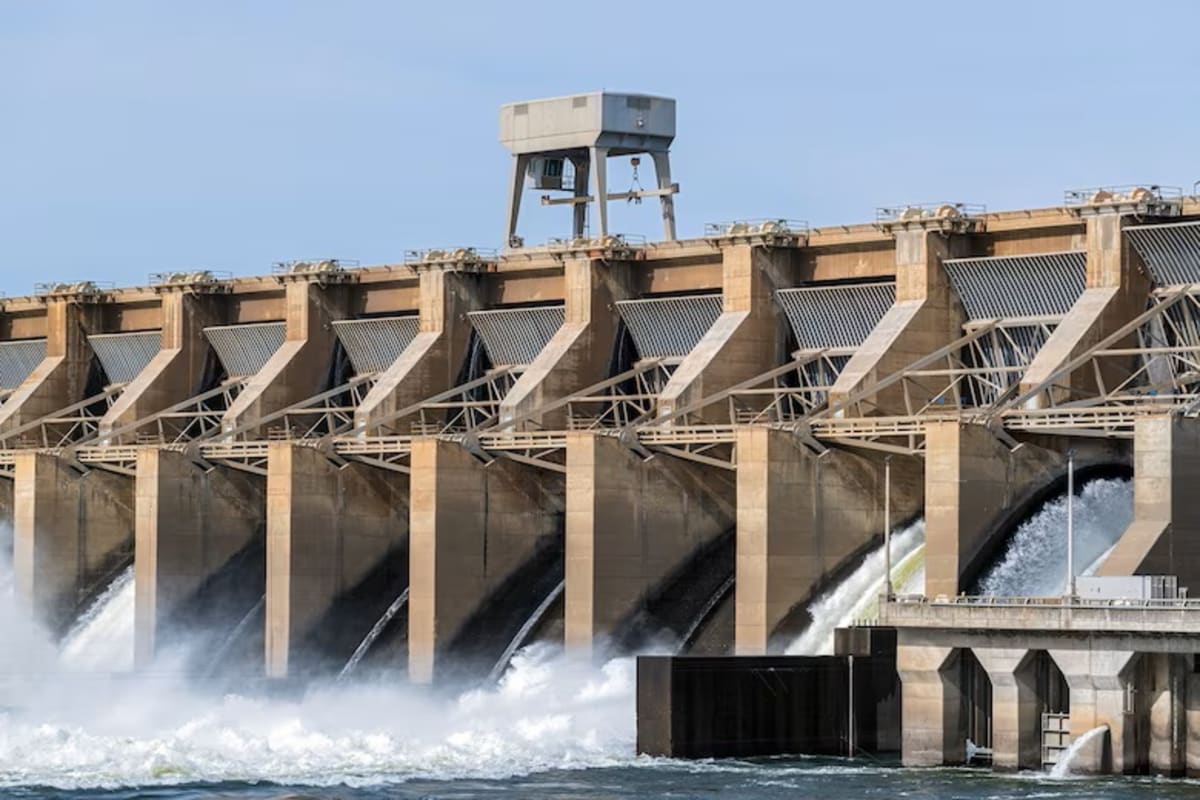
Hydropower Permits Cut from 33 Months to Under 1 Month
Federal regulators just slashed approval times for small hydropower projects from nearly three years to under a month. The move will fast-track clean energy while protecting the environment.
Getting clean energy projects approved just got a whole lot faster, and it's great news for America's renewable energy future.
The Federal Energy Regulatory Commission unanimously voted to streamline environmental reviews for small hydropower projects that have minimal environmental impact. The change could cut approval times from 33 months down to less than one month for qualifying projects.
"We must move important approvals forward quickly while ensuring we fully meet our environmental obligations," said FERC Chairman Laura V. Swett. The new rules let the agency focus its resources on reviewing large-scale projects that need more attention.
The regulatory update expands what's called a "categorical exclusion," which allows certain low-impact projects to skip lengthy environmental reviews. Research from George Washington University shows these streamlined permits typically wrap up in under six months, with a median time of just one month.
The new exclusion now covers terminating or revoking hydropower licenses that involve minimal ground disturbance and don't significantly alter water flows. FERC also adopted two existing frameworks from the Tennessee Valley Authority that cover recreational development near hydropower sites.
The Ripple Effect
This isn't just about paperwork moving faster. Hydropower provides clean, renewable energy without carbon emissions, and these facilities often serve as community recreation hubs for fishing, hiking, camping, and wildlife watching.
The new rules specifically support development of public recreation areas near hydropower projects, including parking areas, campgrounds, stream access points, and day use facilities. These improvements can disturb up to 10 acres while still qualifying for expedited approval.
By cutting red tape on projects with minimal environmental impact, regulators can dedicate more time and expertise to thoroughly reviewing larger, more complex projects that truly need scrutiny. It's a practical solution that helps everyone.
The commission sought public input before finalizing the changes, ensuring community voices shaped the final rules. All four commissioners voted yes, showing rare bipartisan agreement that smart efficiency and environmental protection can work together.
Clean energy is coming faster, and it's bringing better outdoor spaces along with it.
Based on reporting by Renewable Energy World
This story was written by BrightWire based on verified news reports.
Spread the positivity!
Share this good news with someone who needs it