Hyundai Doubles Down on EVs While Rivals Pull Back
While Ford, GM, and Stellantis scale back electric vehicle plans, Hyundai is charging ahead with ambitious goals, new battery tech, and a massive US manufacturing expansion. The company just posted its fifth consecutive record sales year and aims for 60% of US sales to be electric by 2030.
When competitors hit the brakes on electric vehicles, Hyundai pressed the accelerator. The automaker just wrapped its fifth straight record-breaking sales year in the US, selling over 900,000 vehicles, and it's betting big that the EV future is worth the investment.
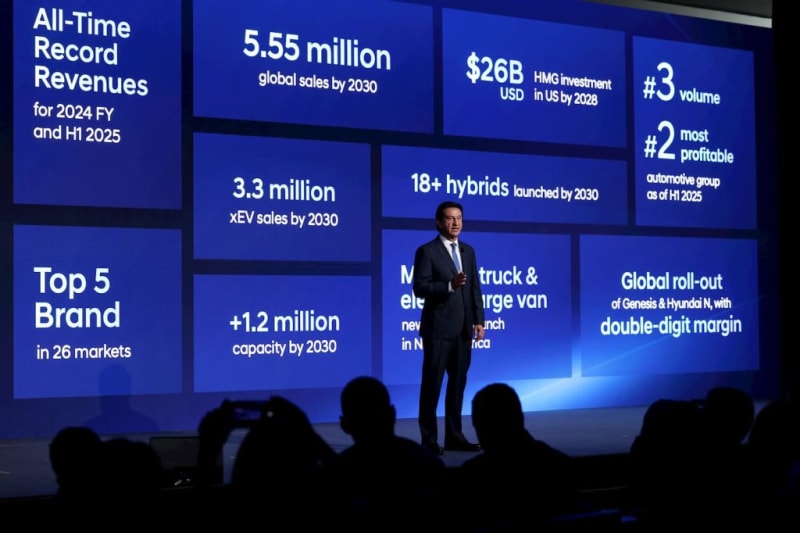
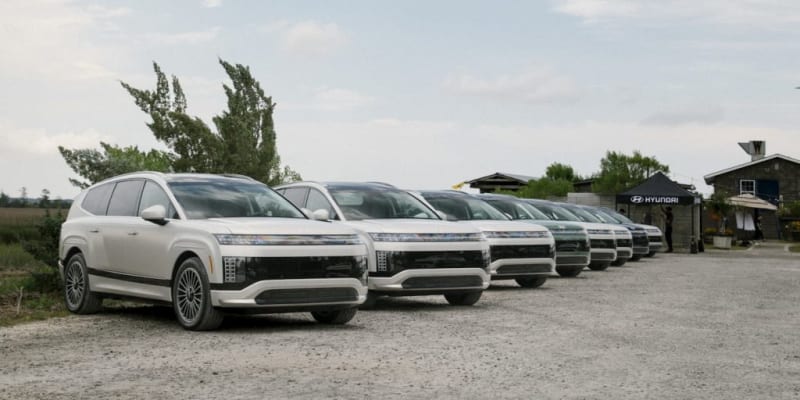
The numbers tell a confidence story. Hyundai's IONIQ 5 became America's fifth best-selling EV in 2025, with 47,039 units finding homes. Electric and hybrid vehicles now make up 30% of the company's US sales, and that's just the beginning.
By 2030, Hyundai plans to push electrified vehicles to 60% of total US sales, reaching 3.3 million units. That's double their current percentage, at a time when traditional Detroit automakers are pumping the brakes on similar ambitions.
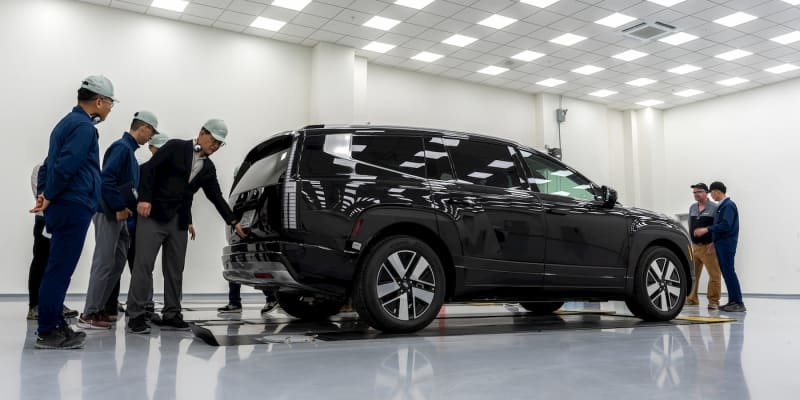
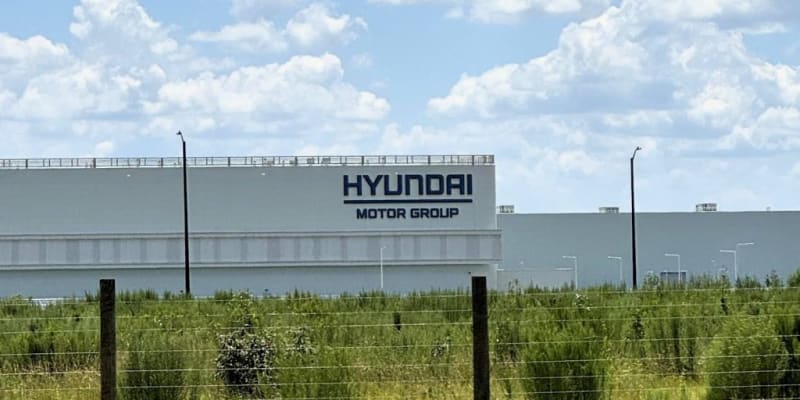
The company is backing its optimism with serious infrastructure. Its Georgia Metaplant already builds the IONIQ 5 and IONIQ 9, and this year it will start producing hybrid vehicles too. By 2028, that single facility will pump out 500,000 electric and hybrid vehicles annually.
Hyundai aims to build more than 80% of US-sold vehicles domestically by 2030, up from today's levels. The company is also increasing supply chain content from 60% to 80%, making production more resilient and affordable.
The Ripple Effect
Hyundai's battery innovations could reshape what Americans expect from electric vehicles. By 2027, the company promises 30% lower costs, 15% more range, and 15% faster charging than today's models.
Real-world data backs their durability claims. Analysis of over 50,000 IONIQ 5 vehicles shows most retain more than 90% battery performance, even units driven past 250,000 miles.
New cloud-based battery management systems will monitor vehicle health in real time, predicting problems before they happen. Multiple safety layers including separation barriers and refractory shields provide extra protection against fires.
Hyundai is also making charging easier. All new models now work with Tesla's massive Supercharger network through native ports. The company joined seven other automakers to build IONNA, targeting 30,000 high-power public chargers nationwide.
The affordability push is already working. The 2026 IONIQ 5 starts at $35,000, making it one of America's most accessible EVs. With federal tax credits expired, Hyundai stepped in with its own incentives, offering up to $10,000 off in February.
January 2026 marked Hyundai's best opening month in company history, proving that commitment to electric vehicles can coexist with strong sales. While competitors second-guess their EV strategies, Hyundai is showing that doubling down might be the winning move.
More Images
Based on reporting by Electrek
This story was written by BrightWire based on verified news reports.
Spread the positivity!
Share this good news with someone who needs it