Hyundai Glovis Extends Ocean Cleanup Partnership to 2030
A South Korean shipping company has extended its partnership with The Ocean Cleanup through 2030, building on efforts that have already removed 50,000 tons of plastic from the world's waters. Their camera-equipped ships are mapping ocean trash to make cleanup faster and smarter.
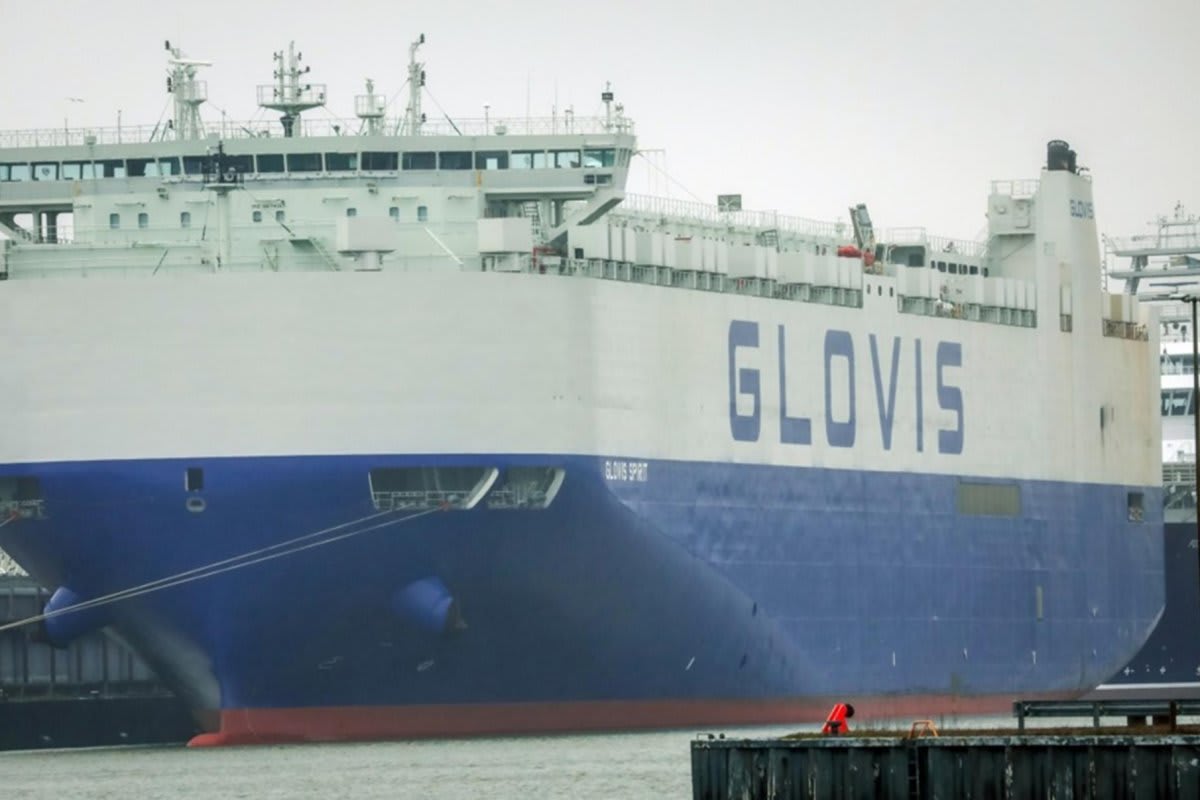
When cargo ships cross the Pacific Ocean, they're now doing double duty: delivering vehicles and tracking every piece of plastic floating in their path.
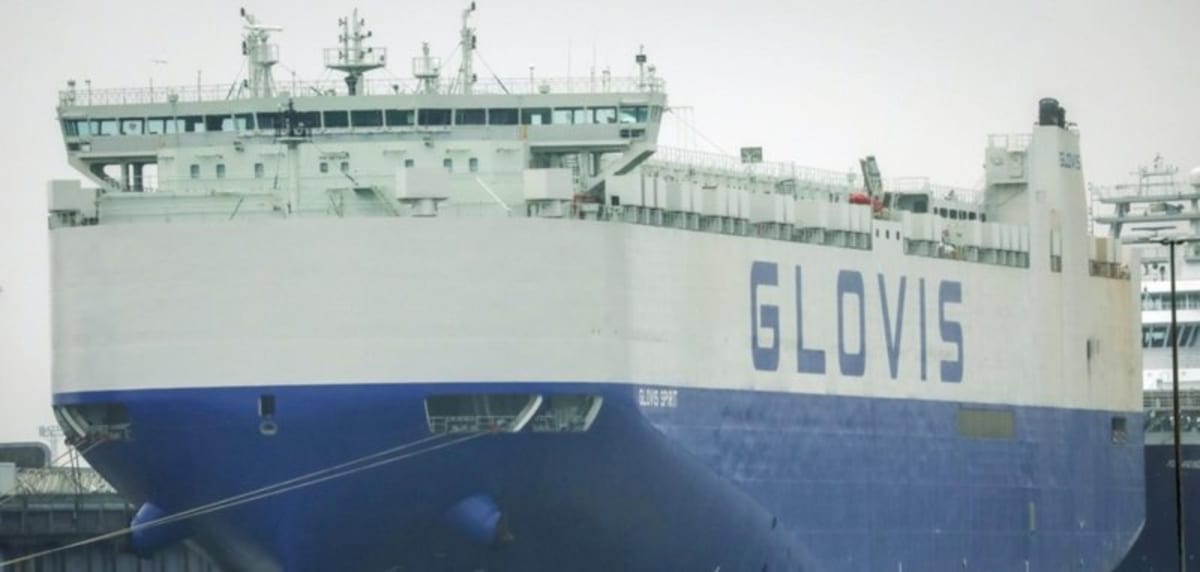
Hyundai Glovis, a South Korean logistics company, just extended its partnership with The Ocean Cleanup through 2030. The collaboration, which started in 2023, turns ordinary shipping routes into powerful tools for cleaning our oceans.
Here's how it works: Hyundai Glovis has installed 20 special cameras on 10 of its car carriers. The cameras automatically spot floating plastic, photograph it, and record exactly where it is. This system, called ADIS, sends all that information to The Ocean Cleanup so they know exactly where to focus their efforts.
The results speak volumes. Between 2023 and March 2025, The Ocean Cleanup pulled more than 50,000 tons of plastic waste from oceans and rivers worldwide. That's enough garbage to fill 10,000 five-ton trucks lined up bumper to bumper.
The partnership goes beyond just tracking. Hyundai Glovis also helps transport cleanup equipment and supports data collection on how much plastic is actually out there. Since the company already has ships crossing major ocean routes every day, they're perfectly positioned to gather this critical information without adding extra vessels or burning more fuel.
The Ripple Effect
This partnership shows how existing infrastructure can become part of the solution. Every cargo ship that crosses the Pacific is already making the journey. Adding cameras turns each voyage into a research mission at virtually no extra environmental cost.
The data these ships collect helps The Ocean Cleanup understand where plastic concentrates most heavily along major shipping routes. That means cleanup crews can work smarter, not just harder, targeting the areas where they'll have the biggest impact.
Hyundai Glovis plans to equip even more ships with the camera system and is exploring other ways to use its global network for environmental protection. When companies with worldwide reach commit to long-term partnerships like this, they transform scattered cleanup efforts into coordinated campaigns.
The ocean plastic crisis didn't happen overnight, and it won't be solved overnight either. But partnerships like this one prove that progress is possible when innovation meets commitment, one shipping route at a time.
More Images
Based on reporting by Google News - Ocean Cleanup
This story was written by BrightWire based on verified news reports.
Spread the positivity!
Share this good news with someone who needs it