Phone Case Maker Builds $2M Ocean Cleanup Platform in Taiwan
The world's largest smartphone case company just deployed an AI-powered floating platform off Taiwan's coast to collect ocean plastic. RHINOSHIELD spent 18 months and $2 million creating Circular Blue, an autonomous system that could change how we fight marine pollution.
A smartphone case manufacturer is proving that fighting ocean plastic doesn't require waiting for governments or nonprofits to act.
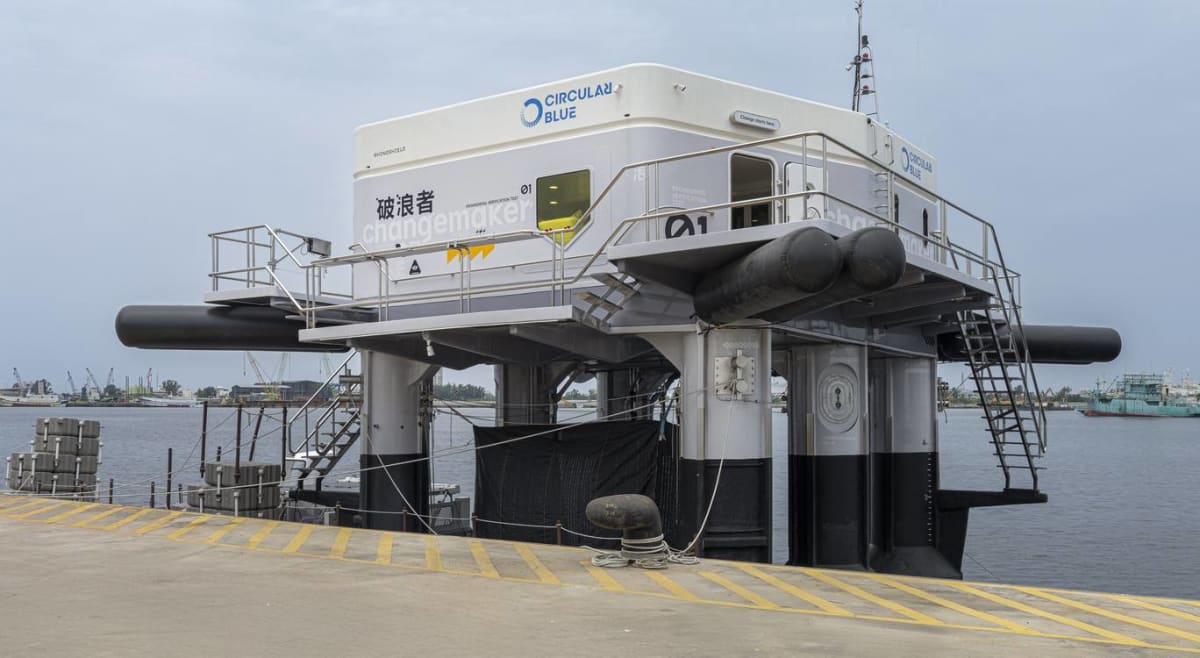
RHINOSHIELD, one of the world's largest phone case makers, has designed and deployed Circular Blue, a floating platform that uses AI-powered drones to hunt down and collect ocean-bound plastic waste off Taiwan's coast. The company invested $2 million and 18 months of development to turn the ambitious project from concept to reality.
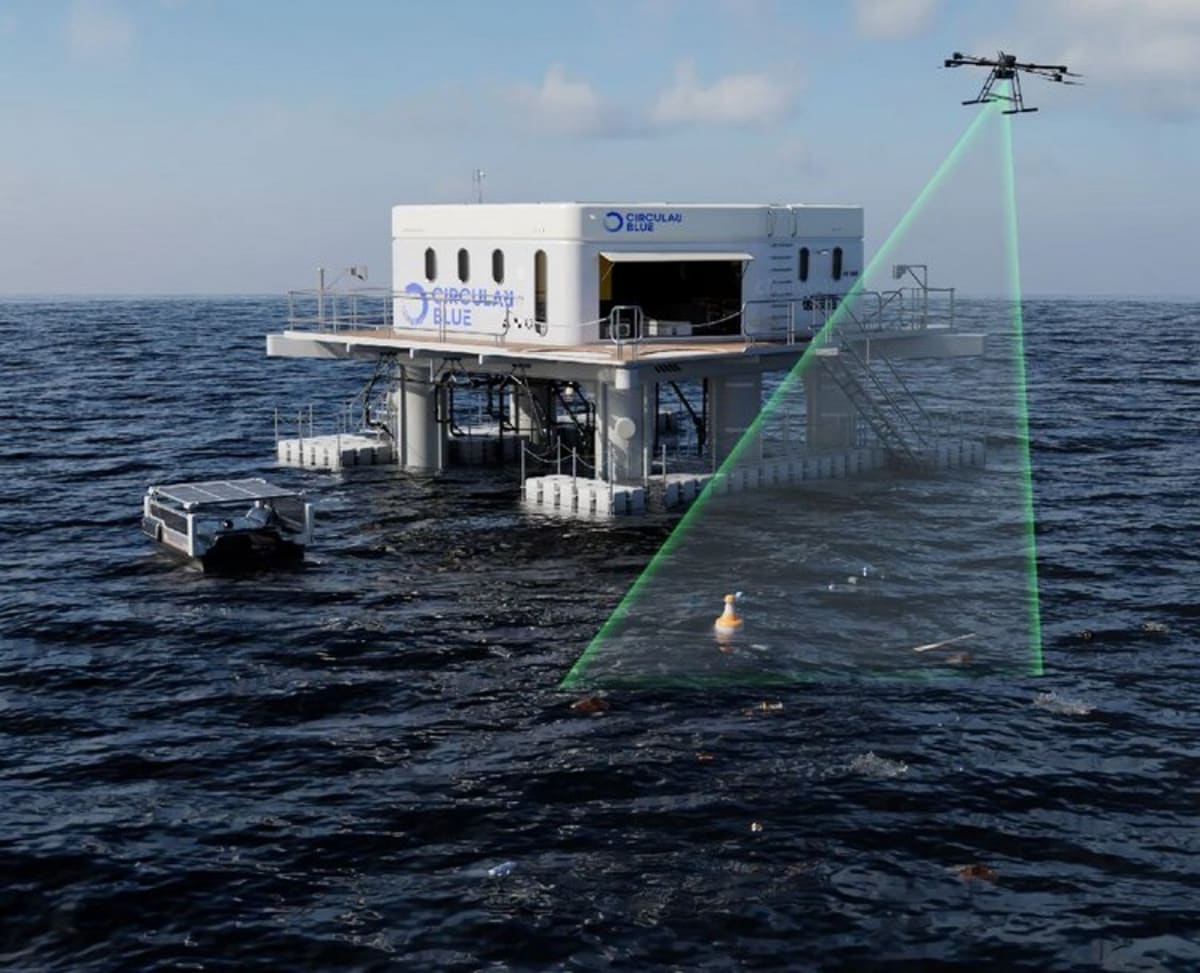
The system works like a miniature command center for ocean cleanup. An aerial drone launches from the platform to scan coastlines and identify pollution hotspots in real time, then directs a solar-powered collection vessel to scoop up debris of all sizes through onboard filtration systems.
The platform looks like a small offshore oil rig but serves the opposite purpose. Instead of extracting resources from the ocean, it removes the estimated 8 million tons of plastic that enter our seas every year. It can house four crew members but operates completely autonomously when needed.
CEO Eric Wang says the project grew from a simple observation. "I look into ocean plastic a lot, and I realize that not a lot of people are collecting it," he explained. His company already produces about 5 million phone cases annually, all designed from a single plastic polymer to make recycling as simple as tossing a plastic bottle in the bin.
The platform also supports marine research programs, turning waste collection into an opportunity for ocean science. RHINOSHIELD plans to expand Circular Blue to North American waters in the future.
The Ripple Effect
RHINOSHIELD's move represents a new model of corporate environmental action. Rather than offsetting harm through donations or pledges, the company built actual infrastructure to solve the problem its industry contributes to. Wang's focus on monomaterial design in their phone cases shows the same thinking: make products that fit into circular economy systems instead of fighting against them.
When a smartphone accessory company becomes a serious player in ocean conservation, it signals what's possible when businesses treat environmental impact as a design challenge rather than a PR problem.
One company's floating platform won't solve ocean plastic alone, but it proves the private sector can do more than write checks.
More Images


Based on reporting by Good News Network
This story was written by BrightWire based on verified news reports.
Spread the positivity!
Share this good news with someone who needs it