IBD Breakthrough: Scientists Find Why Flare-Ups Return
Australian researchers discovered a hidden molecular defect that keeps inflammatory bowel disease cells primed to relapse, even when patients feel healthy. The finding could lead to better monitoring and treatment matching for 180,000 Australians living with IBD.
For the first time, scientists can see why inflammatory bowel disease patients relapse even when their symptoms disappear and treatment seems to be working.
Researchers at the Walter and Eliza Hall Institute in Australia discovered that intestinal cells remain primed to die even when IBD patients feel well. This hidden molecular defect persists beneath the surface, waiting to trigger the next flare-up.
"Once you've got the diagnosis, IBD doesn't go away," said study co-author Dr. Andre Samson. "Even if you become symptom-free on current treatments, there's still this persistent problem sitting there."
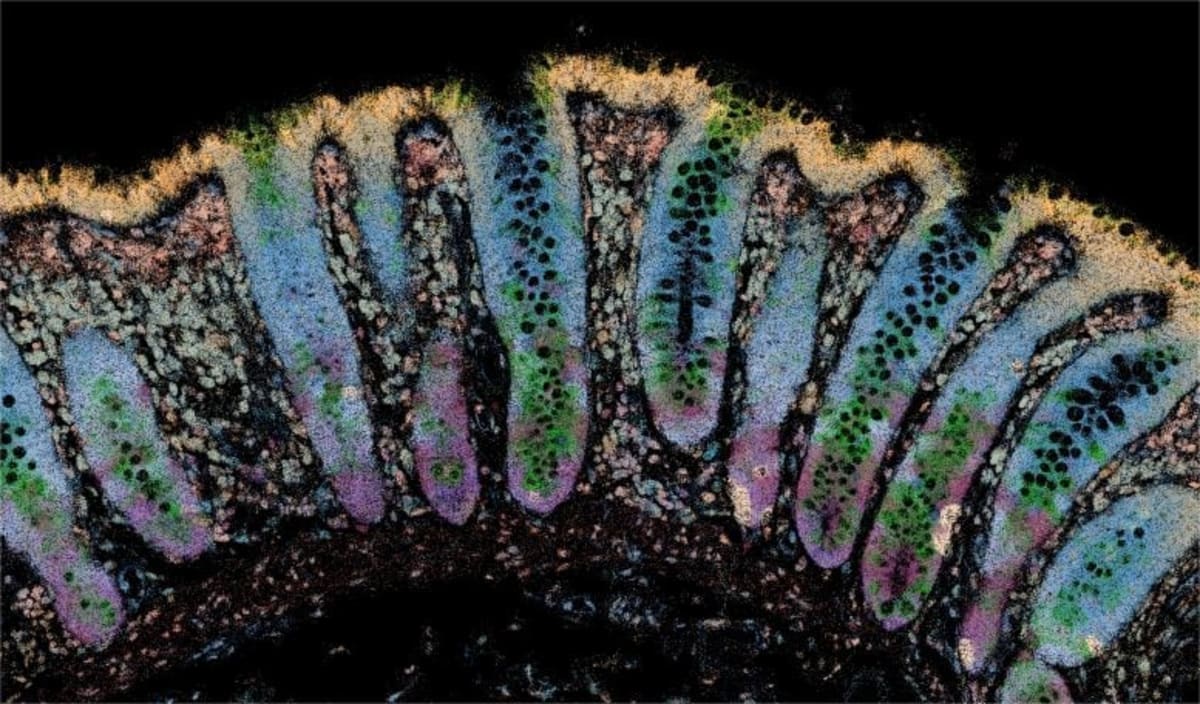
The team analyzed 900 tissue samples from 80 people with and without IBD, then grew patient-derived mini-intestines in the lab to study the disease directly in human cells. Unlike previous research that relied on animal models, this work focused entirely on human tissue, revealing what actually happens in people with Crohn's disease and ulcerative colitis.
What they found challenges decades of assumptions. Cell death isn't just a consequence of inflammation during flare-ups. It appears during the earliest stages of disease activity, even in patients with clinically mild symptoms.
Professor James Murphy described it as a "smoldering" defect that happens before obvious signs appear. "We've gone to the other end of the spectrum and looked at gut tissue that doesn't have clear signs of active disease," he said. "What we're finding is this molecular defect happening very early in disease progression."
The research team tracked patients for over two years and discovered something crucial. Those with higher levels of intestinal cell death signaling were significantly more likely to relapse during that time.
The Bright Side
This discovery opens doors that weren't visible before. For 180,000 Australians living with IBD and millions worldwide, the unpredictability of flare-ups has been one of the most challenging aspects of the disease.
Now researchers have molecular markers that could help predict who will relapse and when. Dr. Jiyi Pang explained that the team identified specific inflammatory signals responsible for the cell death response, creating a roadmap for future treatments.
"We now have the hallmarks of what underlies disease at the molecular level," Dr. Pang said. "The question is which of those are therapeutically actionable and whether they might help us better match treatments to patients."
Study co-author Dr. Aysha Al-Ani emphasized that while this won't immediately provide a new diagnostic test, it establishes a foundation for more sophisticated monitoring tools. Doctors might eventually assess a patient's molecular profile to predict their outlook and customize treatment before symptoms return.
The research represents a fundamental shift in how scientists understand IBD, moving from treating severe inflammation to potentially preventing it before it starts.
This breakthrough gives patients and doctors something they've needed for decades: a window into what's happening beneath the surface when everything seems fine.
More Images


Based on reporting by Google News - Scientists Discover
This story was written by BrightWire based on verified news reports.
Spread the positivity!
Share this good news with someone who needs it