IBM Chip Packs 100 Billion Transistors Into Fingernail Size
IBM just shattered records with a fingernail-sized chip containing nearly 100 billion transistors, almost double the previous best. The breakthrough could make our devices 70% more energy-efficient within a decade.
Your phone is about to get a whole lot smarter without draining its battery.
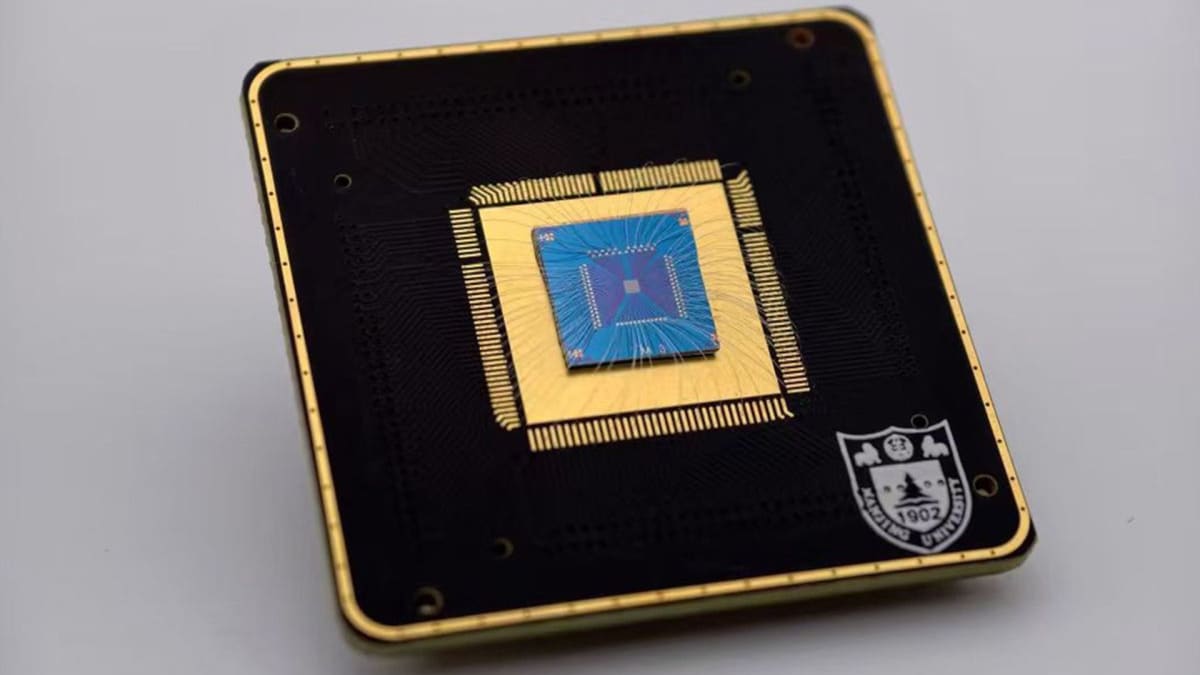
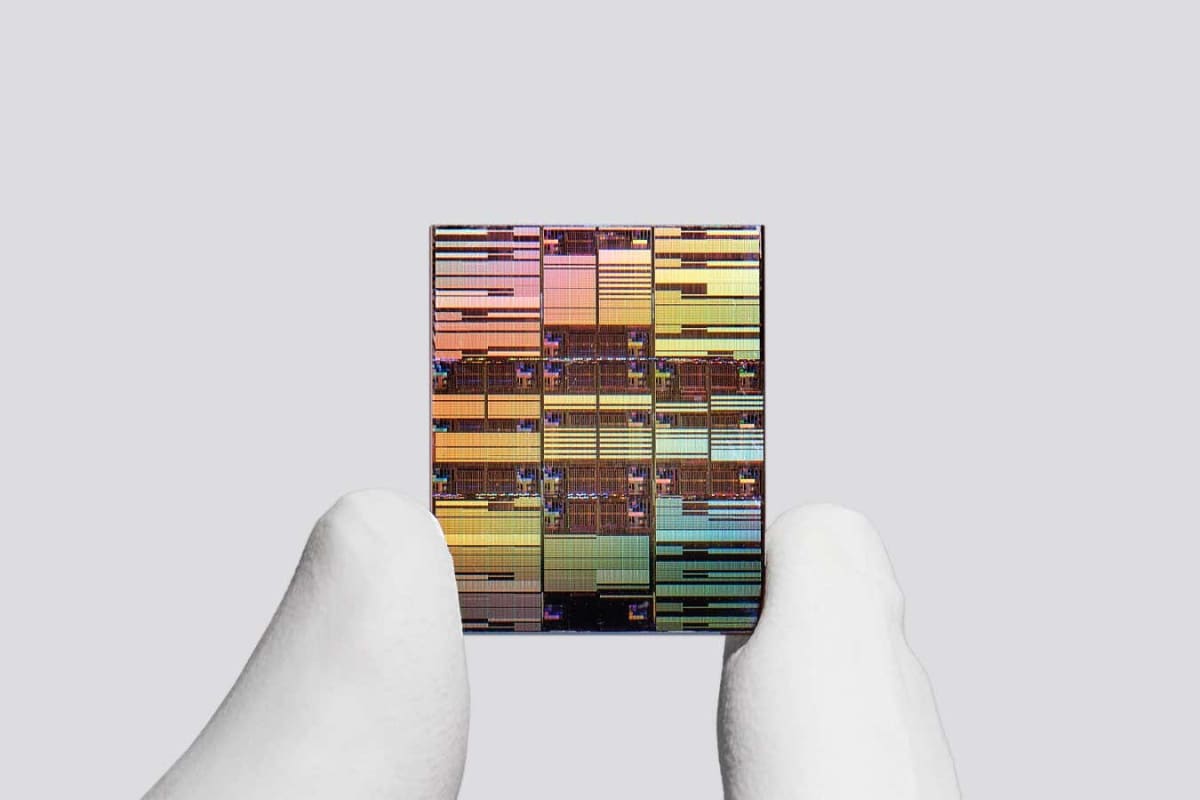
IBM just unveiled a prototype computer chip the size of a fingernail that packs in nearly 100 billion transistors. That's almost twice as many as the most advanced chip currently available, setting a new world record for computing power in the tiniest of spaces.
The secret lies in a clever three-dimensional design technique that stacks components vertically instead of spreading them out flat. Think of it like building a skyscraper instead of a sprawling ranch house on the same plot of land.
The real win? This 10 millimeter by 15 millimeter chip promises 70% higher energy efficiency and 50% better performance than today's leading chips. That means your future smartphone could run artificial intelligence apps, process photos faster, and handle complex tasks while using less power than ever before.
For decades, computer chips have gotten smaller and more powerful by shrinking the size of individual transistors. Smaller components mean more can fit in the same space, leading to faster computing speeds and lower energy consumption. IBM's new chip takes this principle to stunning new heights.
The company expects this technology to reach commercial devices within 10 years. That timeline might sound distant, but it's remarkably fast for such a complex innovation to move from prototype to production.
Why This Inspires
This breakthrough arrives at a perfect moment. As artificial intelligence and machine learning become part of everyday devices, we need chips that can handle intense computing without overheating phones or draining batteries in an hour.
IBM's innovation solves a puzzle engineers have wrestled with for years: how to keep making computers more powerful when individual components can't get much smaller. The answer turned out to be thinking in three dimensions instead of two.
The environmental impact matters too. More efficient chips mean less electricity consumed across billions of devices worldwide. That's a meaningful step toward sustainable technology as our digital lives expand.
Within a decade, this fingernail-sized marvel could power everything from smartphones to medical devices to cars. The future of computing just got smaller, smarter, and more sustainable.
More Images

Based on reporting by New Scientist
This story was written by BrightWire based on verified news reports.
Spread the positivity!
Share this good news with someone who needs it