Ice Pyramids Bring Water Back to Himalayan Farms
Farmers in India's high desert are using smart ice towers to replace vanished glaciers. The automated system is bringing spring water back to villages that lost everything to climate change.
For 65 years, Gelak Gutme has farmed wheat, peas and potatoes at nearly 4,000 meters above sea level in Ladakh, India. Last year, he lost his entire crop when the small glaciers that once fed his fields disappeared.
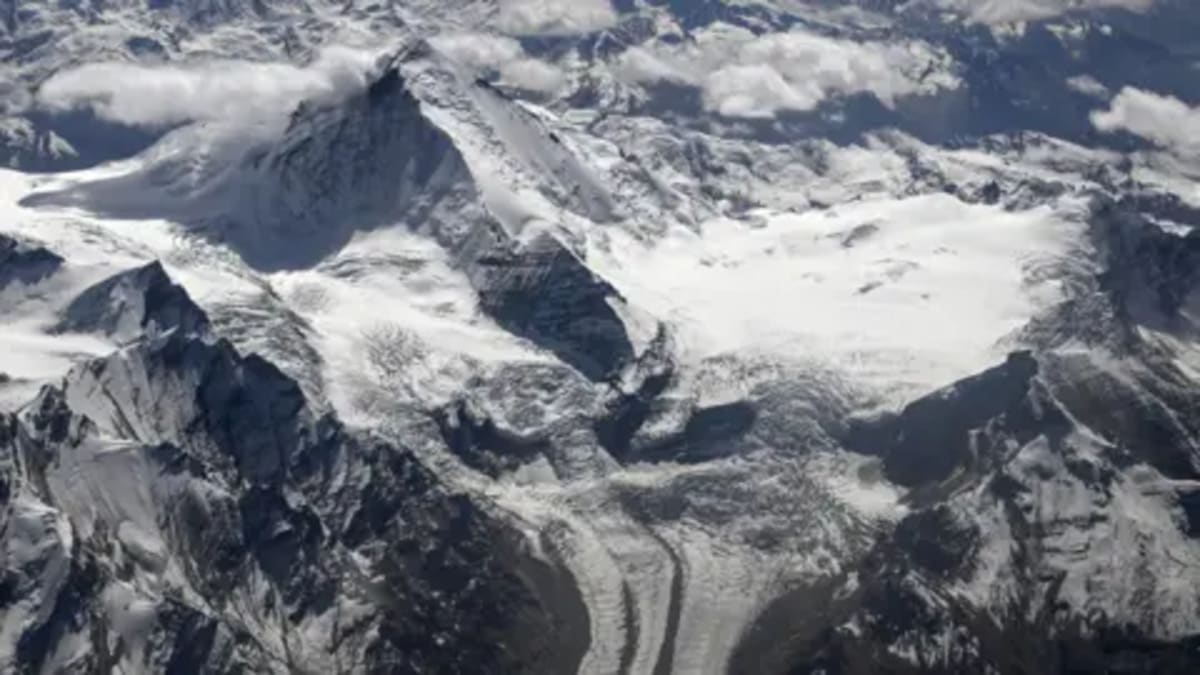
Gutme's struggle mirrors a crisis across the Himalayan region. The low altitude glaciers that acted like frozen water towers have vanished, leaving farmers with no water when spring planting begins in May.
But a high-tech solution is bringing hope back to the mountains. Villages are now building automated ice pyramids that recreate what nature took away.
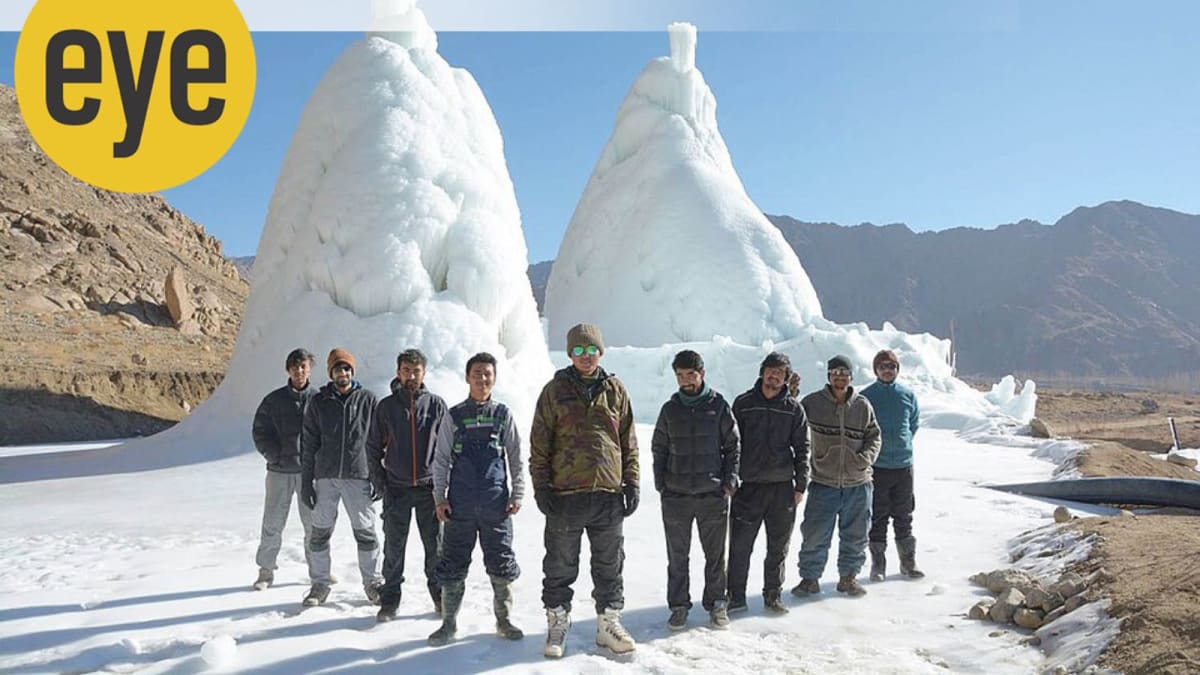
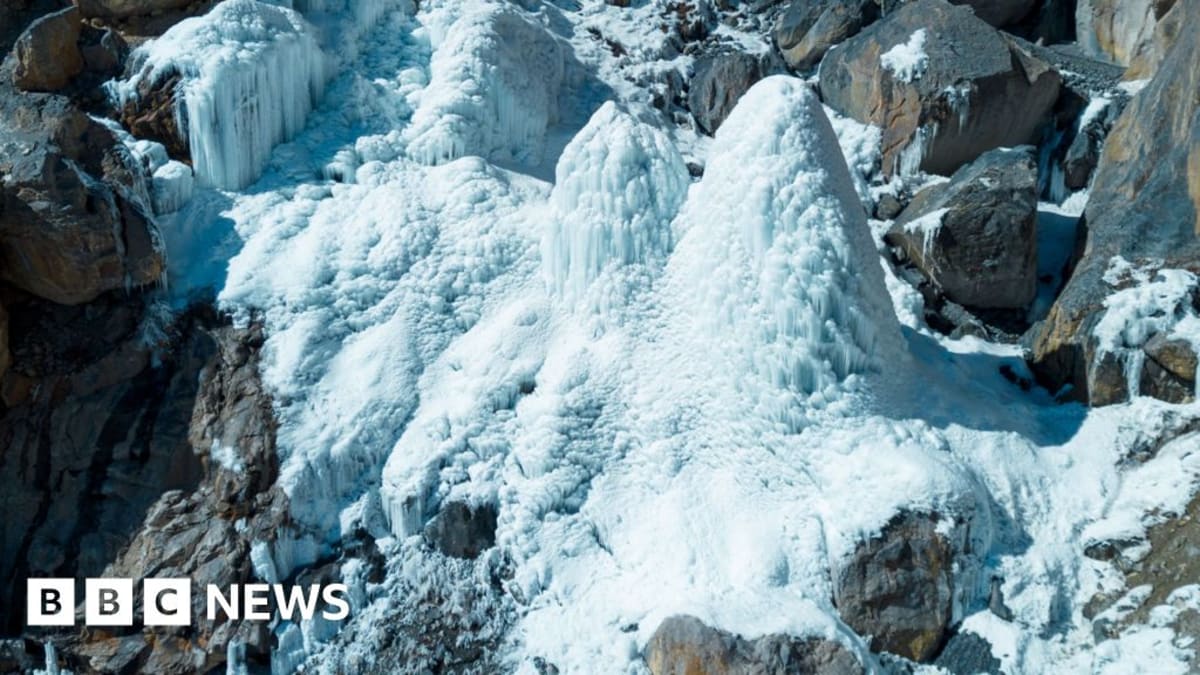
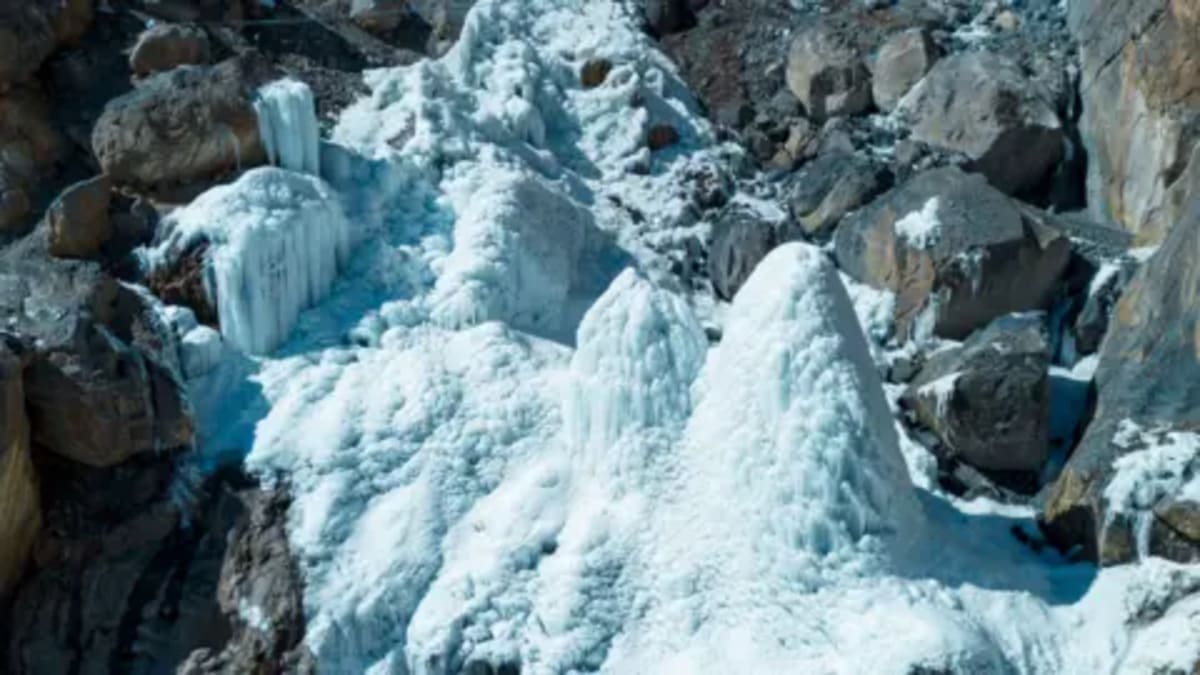
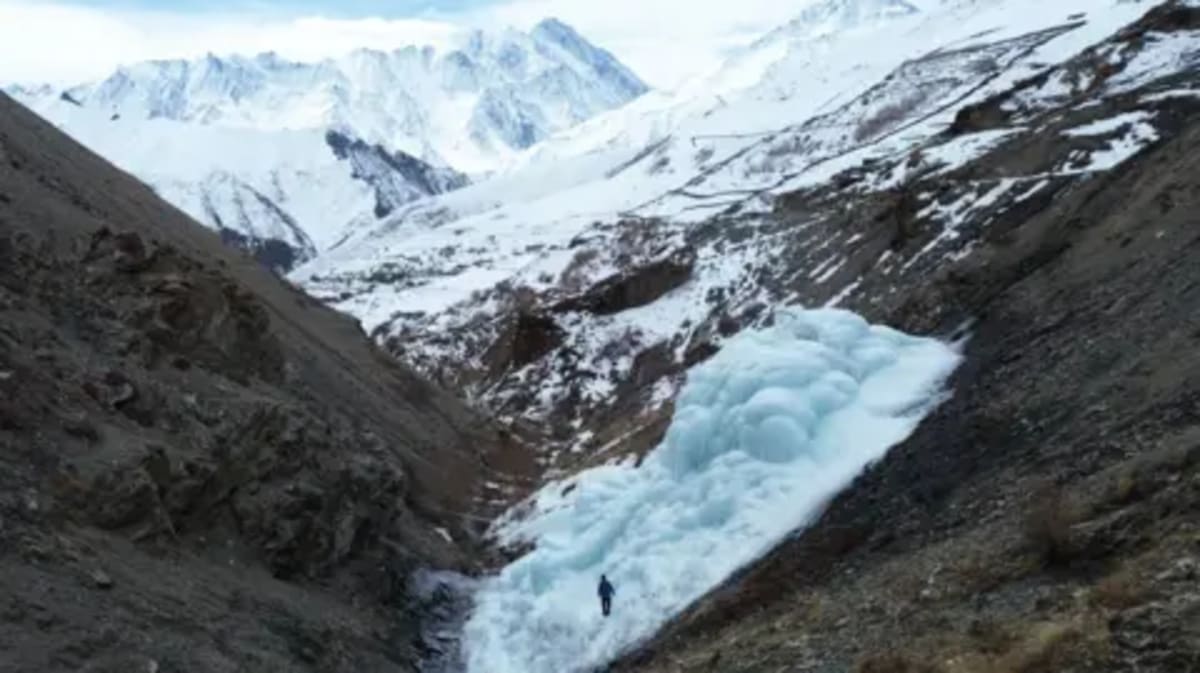
The system pipes water from higher elevations during winter and sprays it into the air, where it freezes into massive towers of ice. When spring arrives, the ice melts exactly when farmers need water most.
Earlier versions of these ice towers worked but demanded brutal sacrifice. Teams of farmers would camp in freezing conditions all winter, rushing to pipes with boiling water whenever temperatures dropped below minus 20C to prevent them from cracking.
The new Automated Ice Reservoir system changes everything. Solar powered sensors monitor air and water temperatures constantly, shutting off valves and draining pipes before they can freeze and crack.
The smart system also creates ice more efficiently. Instead of spraying continuously, it releases precise bursts of mist, waits for each layer to freeze solid, then sprays again based on current wind and humidity conditions.
"The system converts almost all of the diverted water into ice," says Dr Suryanarayanan Balasubramanian, founder of Acres of Ice, the company behind the technology. No more wasted water melting existing ice on warmer days.
This past winter, 10 automated systems ran across Ladakh. Villagers report that groundwater is recharging and natural springs are coming back to life.
The Ripple Effect
The impact reaches beyond individual farms. Local engineer Murtaza Ali says Ladakh has become a hub for grassroots water innovation, with communities developing solutions that could help mountain regions worldwide facing similar glacier loss.
The technology is also scaling up. Researchers are working to multiply capacity so a single system that once built one ice reservoir can now build a dozen.
For Gutme, the change is deeply personal. After losing everything last year, he now has reliable water for his crops again and dreams of building two more ice pyramids for his village.
"I am a farmer, land is all that I have to survive on," Gutme says. "All that I know today is that I have water to grow my crops."
More Images

Based on reporting by BBC Technology
This story was written by BrightWire based on verified news reports.
Spread the positivity!
Share this good news with someone who needs it