Idaho Farmers Avoid Water Shutoff After Drought Deal
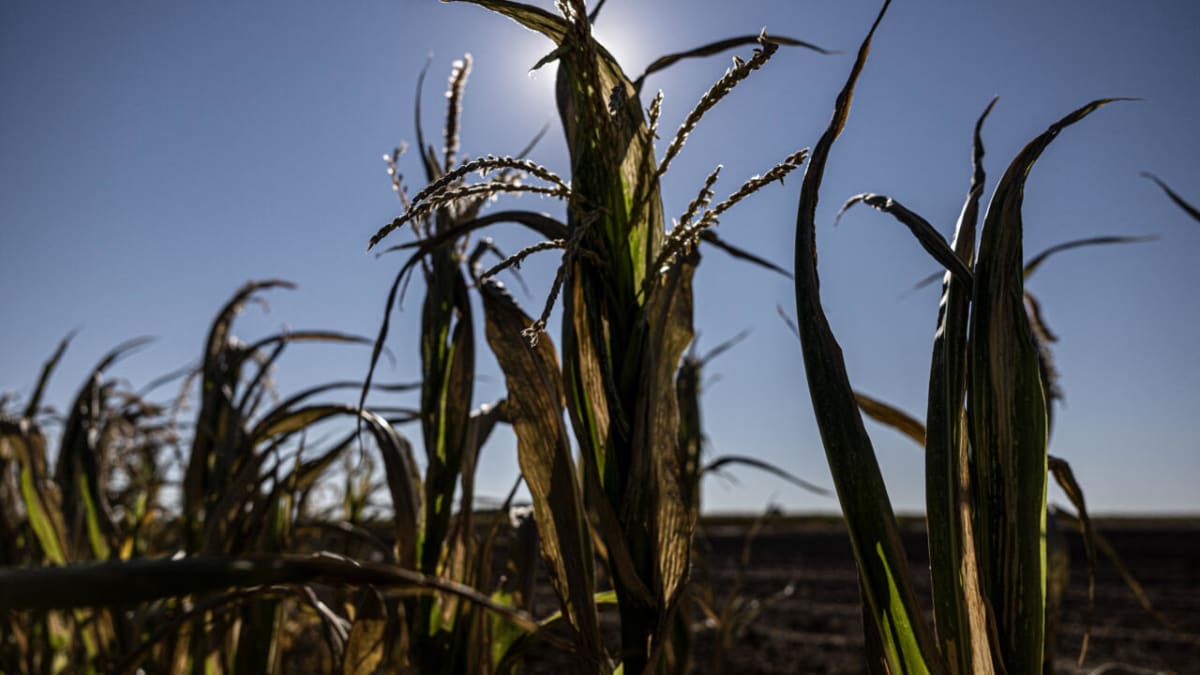
More than 4,000 Idaho farmers will keep their water flowing this summer despite severe drought conditions, thanks to a collaborative agreement between the governor and Idaho Power. It's a temporary relief that buys crucial time while leaders work on long-term solutions.
More than 4,000 farmers along Idaho's Snake River just got a lifeline that will keep their crops growing through the summer.
Despite one of the most intense droughts the Snake River Basin has seen, Idaho Governor Brad Little and Idaho Power reached an agreement to prevent water shutoffs for farmers who rely on trust water rights. The announcement came as a relief after farmers received notices in June warning them that their water could be curtailed.
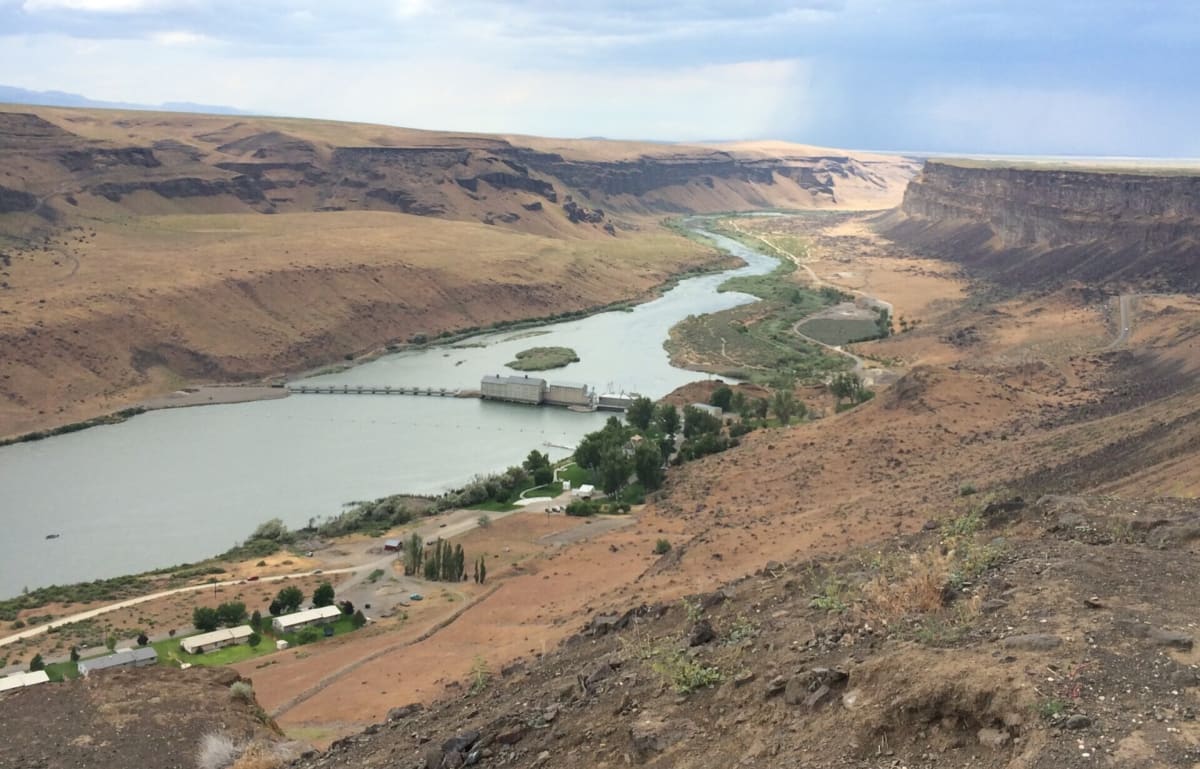
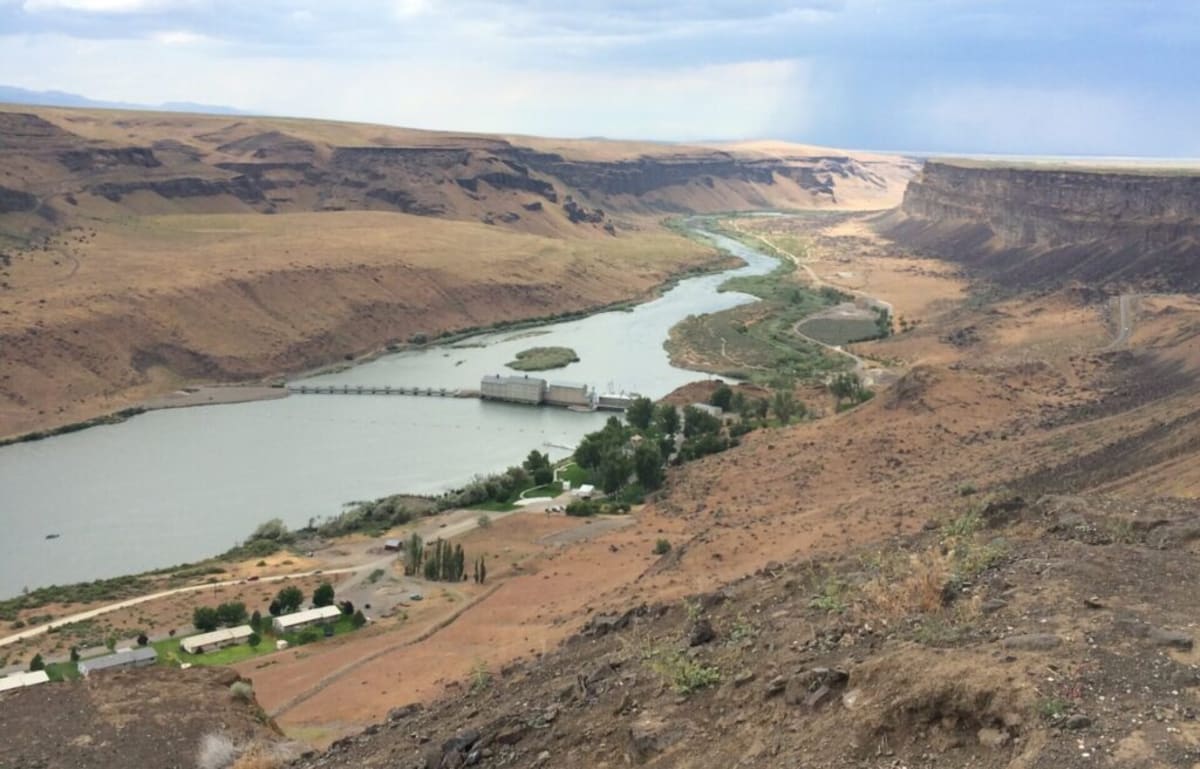
The issue dates back to a 1984 agreement that balanced farming needs with hydropower production along the Snake River. That settlement established minimum water flow requirements at Swan Falls Dam, creating special trust water rights for agricultural users.
This year, water levels threatened to drop below the required minimum of 3,900 cubic feet per second for the first time in nearly four decades. Normally, that would trigger mandatory water shutoffs for trust water users to maintain the flow.
Idaho Power made the first move, writing to Governor Little earlier this year to say they wouldn't push for curtailment despite their legal right to do so. Little agreed and directed the Idaho Department of Water Resources to secure storage water to offset the depleted stream flow.
The Bright Side
While drought conditions remain serious, this agreement shows what's possible when different groups work together during a crisis. Idaho Power chose cooperation over enforcement, and state officials responded by finding creative solutions to keep everyone's needs met.
Governor Little was clear that this isn't a permanent fix. He called it "a bridge, not a fix" that buys time to develop lasting solutions for balancing water needs during dry years.
The temporary agreement protects farmers from immediate hardship while giving officials breathing room to address the underlying tensions between minimum flow requirements and agricultural water needs. It also sets an example of collaborative problem-solving during environmental challenges.
For the farmers who received those scary curtailment notices in June, the relief is immediate and tangible. Their irrigation systems will keep running, their crops will keep growing, and their livelihoods remain secure for this season.
Sometimes the best solutions come from choosing partnership over conflict, even when drought tests everyone's limits.
More Images
Based on reporting by Renewable Energy World
This story was written by BrightWire based on verified news reports.
Spread the positivity!
Share this good news with someone who needs it