Idaho Land Trusts Generate $190M While Protecting Nature
Idaho's conservation groups aren't just saving landscapes. They're powering the state's economy with nearly $190 million in annual activity while keeping forests, farms, and trails alive for everyone.
Conservation work in Idaho just proved it can protect both nature and wallets, according to a groundbreaking new study.
Idaho's network of land trusts generates nearly $190 million in annual economic activity while preserving the state's farms, forests, and wild spaces. The organizations support more than 800 jobs and contribute over $7 million in tax revenue each year.
"Conservation really works to support agriculture, forestry, grazing, recreation, and tourism in our local communities," said Katie Cox, executive director of Kaniksu Land Trust in Sandpoint. Those sectors form the backbone of Idaho's economy.
The study commissioned by the Idaho Coalition of Land Trusts examined how nonprofit conservation organizations partner with willing landowners to protect important community land. Researchers used survey data and an Idaho-specific economic model to track the impact across agriculture, forestry, tourism, and land trust operations.
The numbers tell a powerful story. Working farms and ranches make up more than 185,000 protected acres within the land trust network. Agriculture alone accounts for more than $114 million in total economic activity.
Cox pointed to the Western Pleasure Guest Ranch as a local example. The 643-acre property near Sandpoint has been managed by one family for over 80 years, supporting both a working ranch and a thriving local business.
When landowners hire employees to manage forests, harvest timber, or do restoration work, they create local jobs while keeping the land healthy. Small farms provide produce for farmers markets while larger operations impact multiple families who bring products to market.
The Ripple Effect
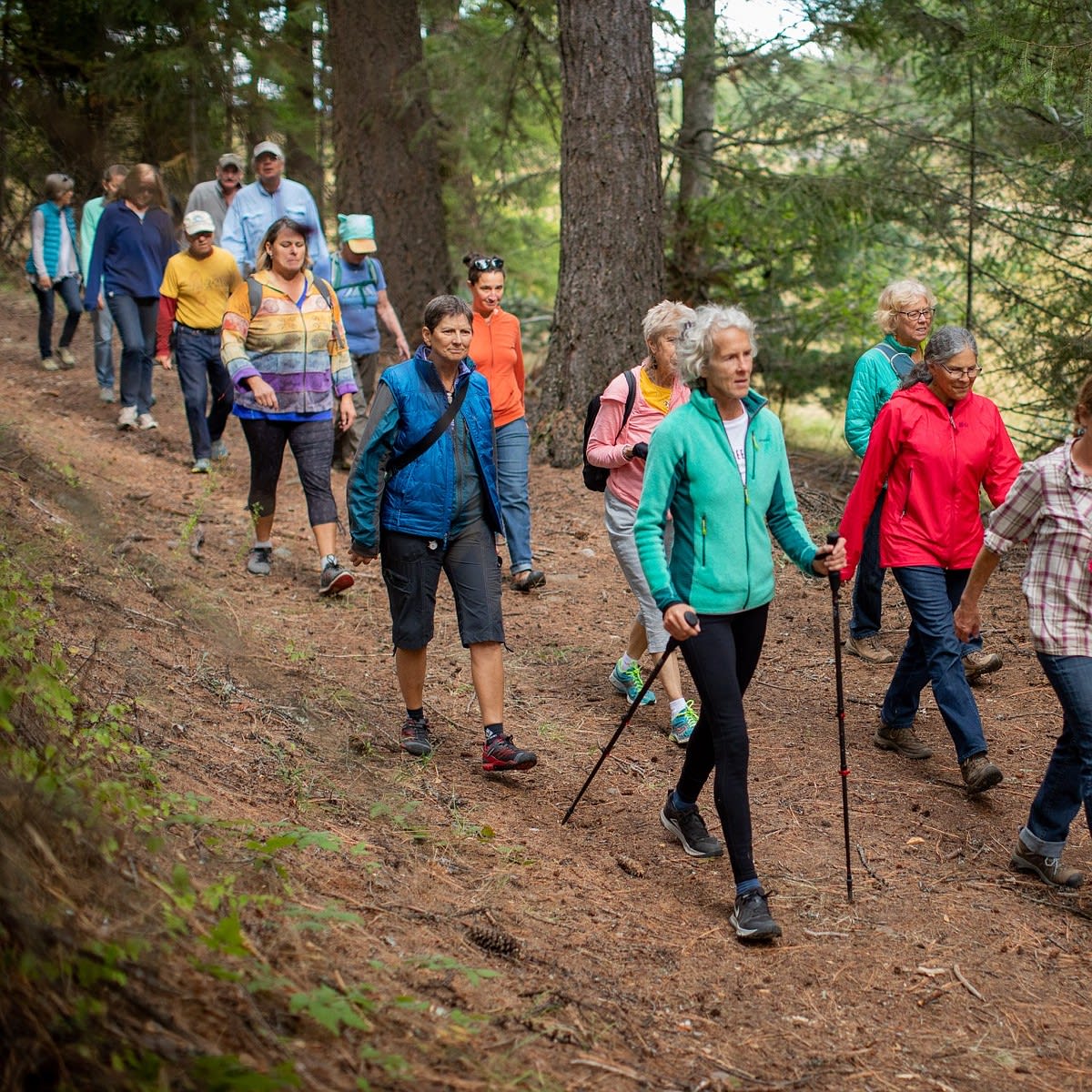
The benefits extend far beyond paychecks. Kaniksu Land Trust protects 180 acres called Pine Street Woods where locals bike, hike, ski, and snowshoe year-round at no cost.
"Whether you're a hunter, a birder, a boater, or a rancher, you benefit from these protected landscapes," said Heath Mann, executive director of Sagebrush Steppe Land Trust. "There's not a lot of things in this world that can benefit such a broad range of our population."
Cox said most people never think of conservation as an economic driver because it happens quietly through decisions made by private property owners. The coalition's research reveals the hidden power of these choices.
"So many people have either lived here their whole lives or have moved here because of this spectacular landscape we have in Bonner County," Cox said.
The work continues to preserve what makes Idaho special for generations to come.
More Images

Based on reporting by Google News - Economic Growth
This story was written by BrightWire based on verified news reports.
Spread the positivity!
Share this good news with someone who needs it