52,000 Backyards Join Coast-to-Coast 'National Park
An entomologist is building a conservation network larger than Yellowstone by convincing ordinary homeowners to plant native species in their yards. Over 52,000 people have already joined, transforming 187,000 acres into wildlife habitat. ##
Doug Tallamy spent just $100 to turn his Pennsylvania farm into a haven for 1,380 species of moths, 62 bird species, and countless other creatures that had disappeared from the landscape.
His secret? He simply replaced invasive plants with native ones, using seeds he collected and planted himself. Now luna moths flutter through his property in record numbers, and wood thrushes nest where hay once grew.
The University of Delaware entomologist realized something crucial two decades ago. Nearly 80 percent of land east of the Mississippi sits in private hands, with 135 million acres now in residential landscapes. If just 10 to 20 percent of landowners planted native species, it would create habitat larger than 10 Yellowstones combined.
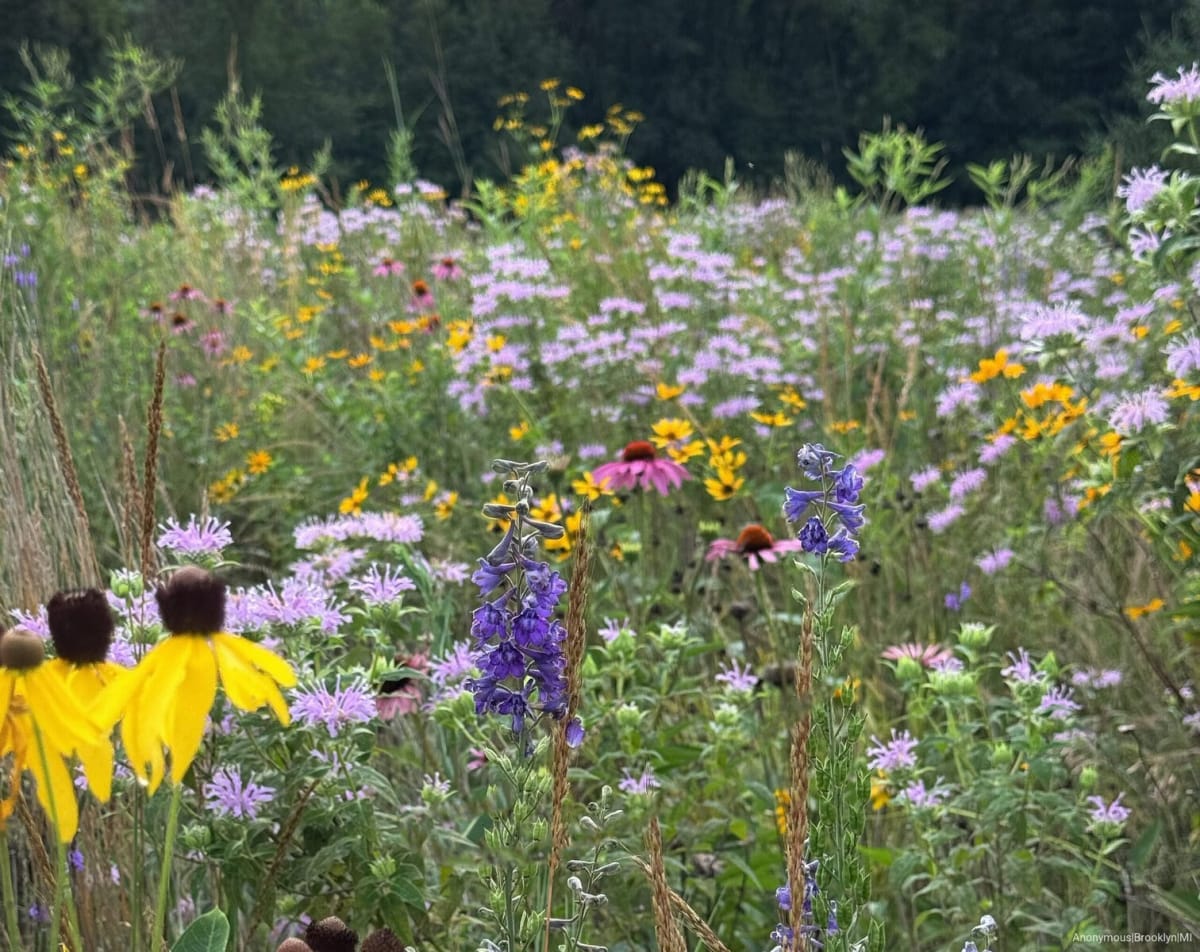
That insight sparked Homegrown National Park, a nonprofit encouraging Americans to replace their lawns with native plants. The concept is beautifully simple: national parks protect wildlife, but most species migrate beyond those borders and need habitat along the way.
When Tallamy bought his 300-year-old farm in 2000, it looked green but was overrun with Japanese stiltgrass and mile-a-minute-weed. These invasive species supported almost no pollinators. There were no caterpillars feeding birds, no insects sustaining the food web.
He started pulling invasives and planting natives. The transformation didn't require expensive equipment or professional landscaping. Seeds went into the ground, and nature did the rest.
The Ripple Effect
Over 52,000 registered participants now tend more than 187,000 acres of native habitat, and those numbers climb rapidly. Homeowners, schools, corporations, and apartment dwellers are joining, creating connected corridors where wildlife can travel, feed, and thrive.
These natural systems generate essential services people depend on. They produce oxygen, manage watersheds, reduce extreme weather impacts, and sequester carbon. Native plants support the insects that feed birds, which control pests naturally.
Every yard connects to a larger ecosystem. What homeowners plant or don't plant ripples outward, affecting everything that depends on that system for survival.
Tallamy hears wood thrushes singing each morning now. Gray tree frogs sit on his windowsill. These small moments represent something bigger: proof that ordinary people can heal landscapes one backyard at a time.
The movement shows that conservation doesn't require wilderness expeditions or government action alone. It starts outside your door, with choices about what grows in your own small patch of earth.
##
More Images
Based on reporting by Reasons to be Cheerful
This story was written by BrightWire based on verified news reports.
Spread the positivity!
Share this good news with someone who needs it