IIT-Madras Creates 3D Brain Atlas at Cell Resolution
Indian researchers just mapped the human brainstem in stunning 3D detail, giving doctors and scientists a powerful new tool to understand and treat brain disorders. The free atlas could transform how we diagnose and heal some of the most complex neurological conditions.
Scientists at the Indian Institute of Technology-Madras have created something remarkable: a complete 3D atlas of the human brainstem that shows individual cells in extraordinary detail.
The brainstem controls everything from breathing to heart rate, making it one of the most critical parts of our brain. Until now, doctors and researchers lacked a comprehensive map to navigate this complex region.
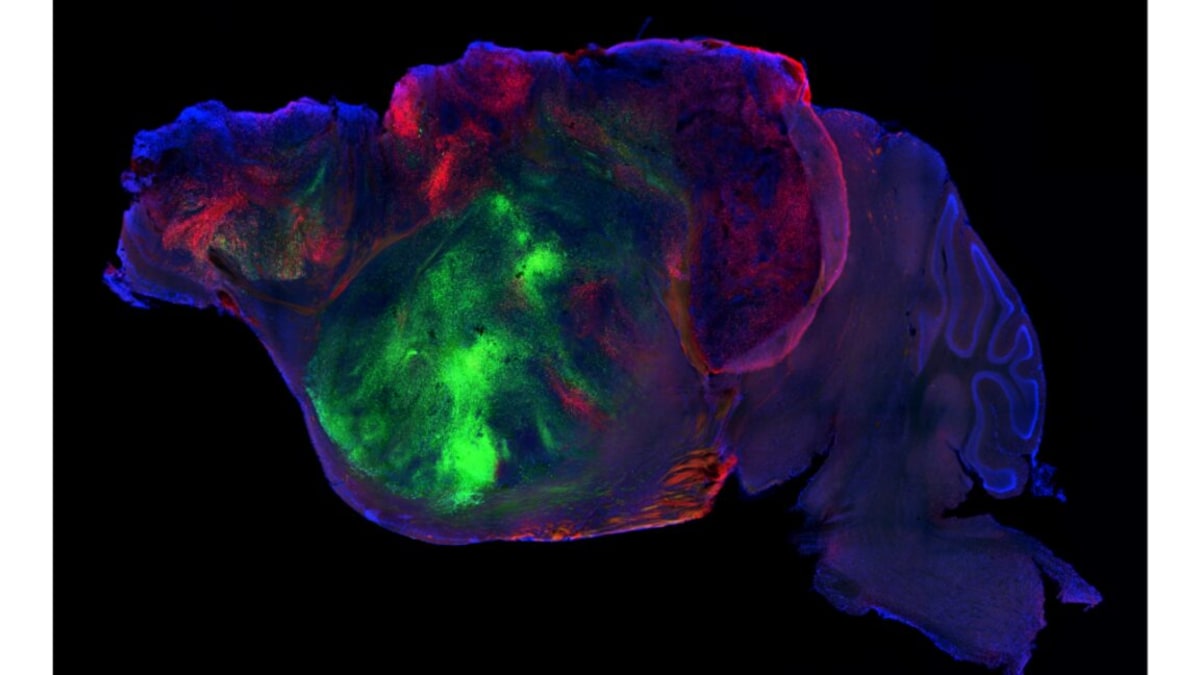
The new atlas, called ANCHOR (Atlas of Neurochemical Characterization of the Human Brainstem with 3D Reconstruction), combines three powerful imaging techniques to create an unprecedented view. Researchers at the Sudha Gopalakrishnan Brain Centre spent years carefully mapping over 200 brainstem structures and pathways.
What makes this breakthrough special is its scope across the human lifespan. The team created detailed maps showing how the brainstem develops and changes from before birth through childhood into adulthood.
The technical achievement is staggering. Scientists analyzed more than 500 tissue sections and used eight different staining techniques to identify distinct cell types. The result lets doctors zoom from viewing the whole brain structure down to microscopic cellular features seamlessly.
The Ripple Effect
The team made ANCHOR freely available online to researchers and doctors worldwide. This open access approach means scientists from any country can use these detailed maps to advance their work.
For patients, the implications are profound. Doctors can now identify exactly which cell populations get damaged in brainstem injuries or diseases. This precision could lead to better diagnoses and more targeted treatments for conditions affecting this vital brain region.
India's Principal Scientific Adviser Ajay Kumar Sood highlighted the clinical potential during the atlas unveiling at a major neuroscience conference. The tool bridges the gap between research labs and hospital bedsides.
The research team isn't stopping here. They plan to expand ANCHOR to cover various neurological diseases and create even more detailed lifespan maps. Each addition will give medical teams better tools to help patients recover and heal.
This kind of fundamental research takes patience and dedication, but it creates foundations for countless future breakthroughs. By making their work freely available, the IIT-Madras team ensured their years of effort will benefit people everywhere.
Based on reporting by The Hindu
This story was written by BrightWire based on verified news reports.
Spread the positivity!
Share this good news with someone who needs it