Illegal Curb Cuts in Tucson Transformed City Water Laws
A Tucson resident illegally cut holes in his street curb in 1998 to harvest rainwater, creating such a remarkable transformation that the city legalized and adopted his methods citywide. His guerrilla gardening now saves water and feeds neighborhoods across the desert city.
Brad Lancaster broke the law with a handsaw in 1998, and the result was so beautiful that Tucson, Arizona changed its rules to let everyone do the same thing.
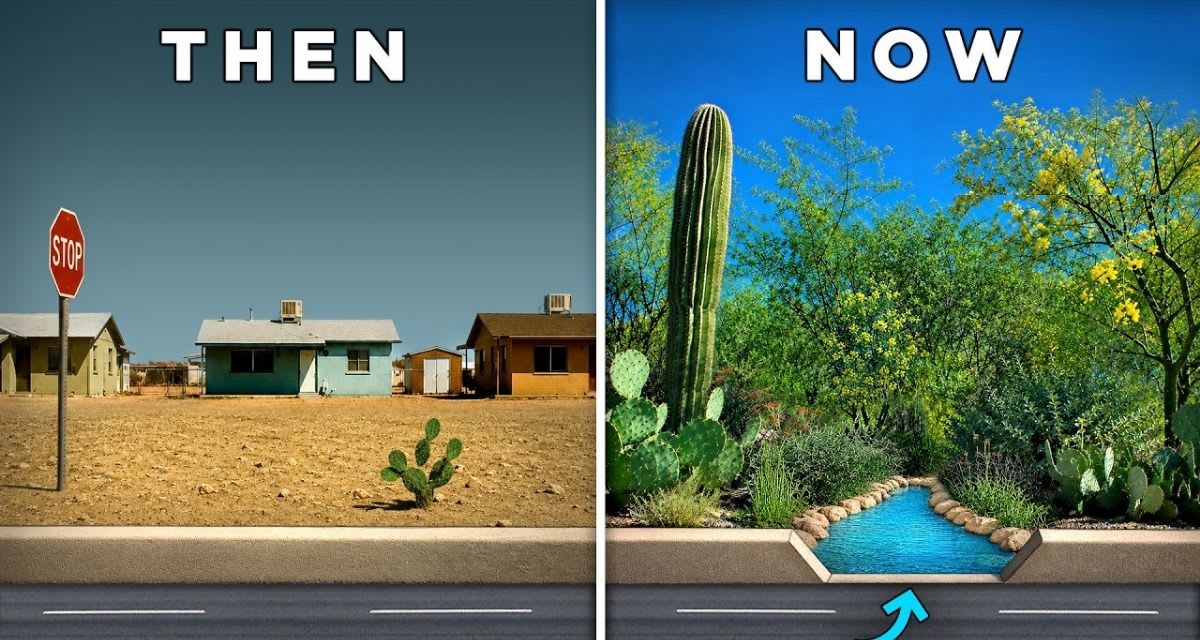
Lancaster cut six channels into the curb in front of his house, diverting precious rainwater away from storm drains and into the strip between street and sidewalk. In a desert city that receives just 11 inches of rain yearly, he knew every drop mattered.
He kept his illegal curb cuts secret for three years. But when he finally showed city officials what happened, the transformation spoke louder than any violation.
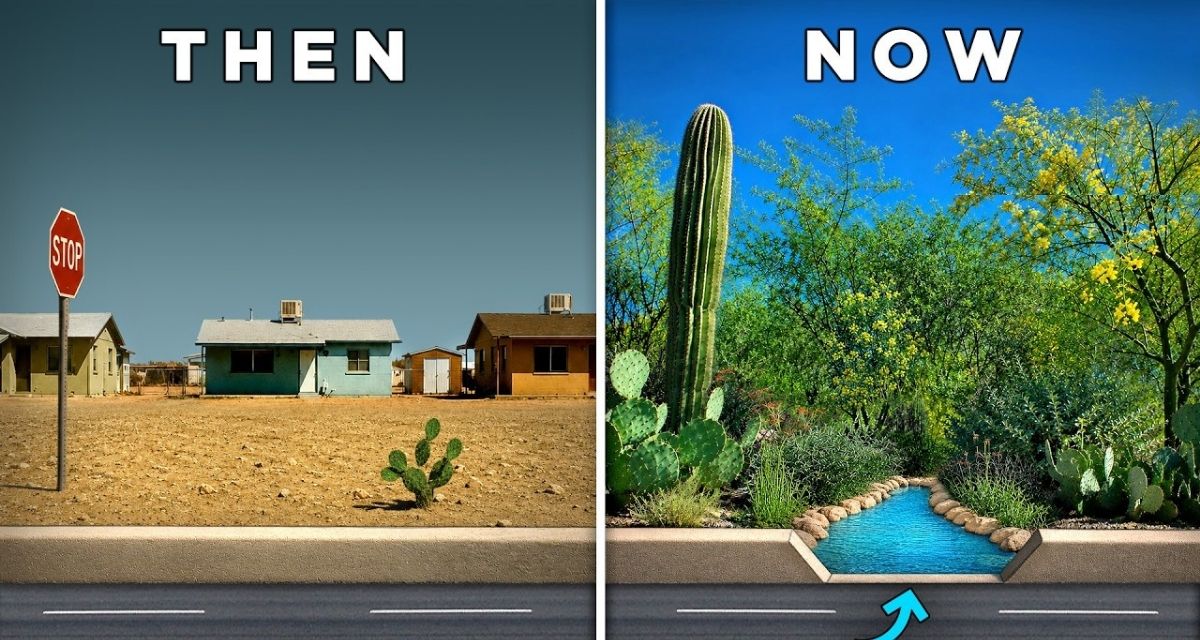
The diverted rainwater created thriving basins filled with native plants, fruit-bearing cacti, and trees with edible flowers. What started as dry, barren streetscape became a public food forest irrigated entirely by rain.
"We're using the street to water the street trees that shade, cool the street, and feed all those living along the street," Lancaster explains. Each basin catches rainwater and channels overflow to the next, creating a cascade of green life.
Lancaster wasn't inventing something new. He was reviving ancient wisdom from Indigenous peoples who made the Sonoran Desert livable through sophisticated water harvesting and canal systems.
The Ripple Effect
Today, more than five million people call the Sonoran Desert home, and Tucson gets 90% of its drinking water from underground aquifers and the Colorado River. But Lancaster showed the city how to make better use of the rain it does receive.
His illegal innovation inspired Tucson to create an entire department called Storm to Shade dedicated to rainwater harvesting and urban forestry. The city now offers homeowners $2,000 rebates for adding streetside rainwater basins to their properties.
Even more remarkably, Tucson now requires all new commercial properties and road construction to incorporate rainwater harvesting. What was once prohibited is now mandatory.
"The Storm to Shade program truly is the city's adoption and institutionalization and elevation of all of the pioneering work that Brad did over years and years," says program manager Blue Baldwin. The city even created official construction documents showing contractors exactly how to cut curbs properly.
Nearly 30 years after Lancaster's first illegal cuts, his neighborhood looks radically different. Shaded streets replace sun-baked pavement, edible plants feed the community, and every rainfall nourishes the landscape instead of vanishing down drains.
One man with a handsaw proved that sometimes the fastest way to change policy is to demonstrate a better way forward.
More Images


Based on reporting by Upworthy
This story was written by BrightWire based on verified news reports.
Spread the positivity!
Share this good news with someone who needs it