Lagos Uses Data to Protect Waterways and Stop Flooding
Nigeria's largest city is switching from crisis response to prevention, using drones and data to manage flooding and protect its water resources. The proactive approach could save infrastructure and lives while making water transport easier.
Lagos is taking a smarter approach to protecting its waterways, using technology and data instead of waiting for floods to strike.
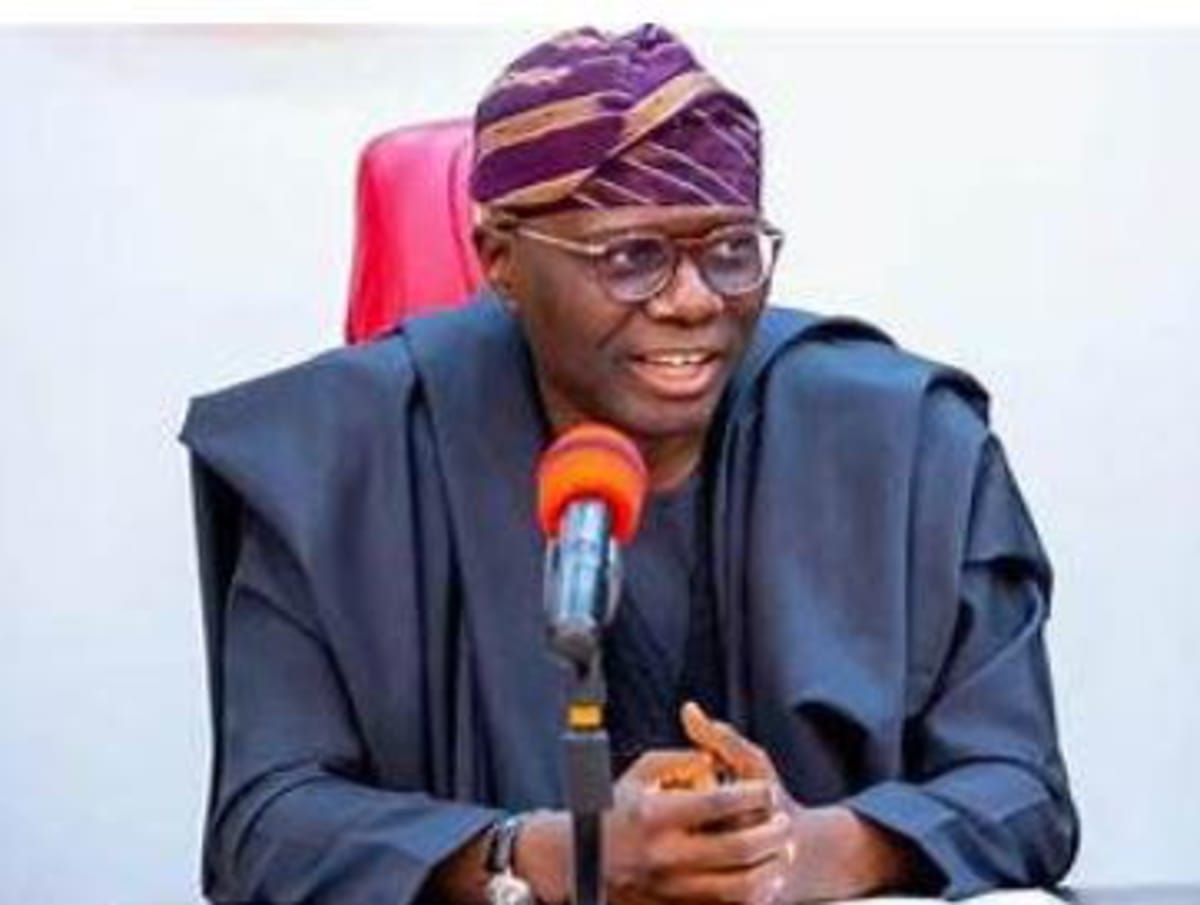
The Nigerian megacity of 20 million people announced a shift from reactive flood response to preventive management of its waterfronts and waterways. State Commissioner Dayo Bush-Alebiosu shared the new strategy in September 2026, explaining that success means faster water drainage, not zero flooding.
"Flooding happens everywhere," Bush-Alebiosu said. "But what you should look at is how quickly the water drains." The key difference is understanding why water accumulates and stopping problems before they start.
The government is now using drones to monitor sand dredging operations that have damaged land around Lagos airport. Footage revealed massive craters left by mining companies that failed to restore excavation sites properly. Some roads designed to last decades have failed in under 10 years because of unregulated dredging nearby.
Lagos officials realized they couldn't protect their resources without basic information. How much sand exists in local waters? Where is dredging happening? Where does excavated material go?
The ministry is now collecting data to make science-based decisions about dredging, land reclamation, and waterfront development. This includes identifying areas that should be left alone to replenish naturally.
Bush-Alebiosu said the government is reviewing approvals for companies that delayed reclamation projects for three to five years. They're also investigating dredging near bridges and sensitive infrastructure to confirm safety before projects continue.
The Ripple Effect
Better waterway management will do more than prevent floods. The government is investing in jetties and water infrastructure to expand boat transportation, which could reduce road traffic and lower shipping costs.
One new jetty project will serve six neighborhoods with water journeys of just 12 to 15 minutes. The facilities sit close to markets, making it easier to move goods by boat instead of truck.
A recent Supreme Court ruling clarified which government level controls waterways, clearing the path for a proposed Lagoon Authority and Lagoon Policy. "Now we can look forward to those things happening because they are necessary," Bush-Alebiosu said.
The commissioner acknowledged the ministry works at a measured pace but defended the approach. "I like to make sure we get things right," he said. "For me, it is about continuing to achieve and making sure that what we are doing is sustainable."
Lagos is proving that protecting natural resources and building better infrastructure start with knowing what you have and planning ahead.
Based on reporting by Vanguard Nigeria
This story was written by BrightWire based on verified news reports.
Spread the positivity!
Share this good news with someone who needs it