Illegal Dig Uncovers Roman Emperor's Lost Villa Near Rome
What started as a crime scene turned into one of Italy's most stunning archaeological discoveries this year. Illegal treasure hunters accidentally exposed a luxurious 2,000-year-old Roman villa complete with intricate mosaics, painted walls, and a marble statue.
When Rome's Metropolitan Police got a tip about illegal digging west of the city in February, they expected to stop looters and file charges. Instead, they stumbled upon a hidden imperial villa that hasn't seen daylight in nearly two millennia.
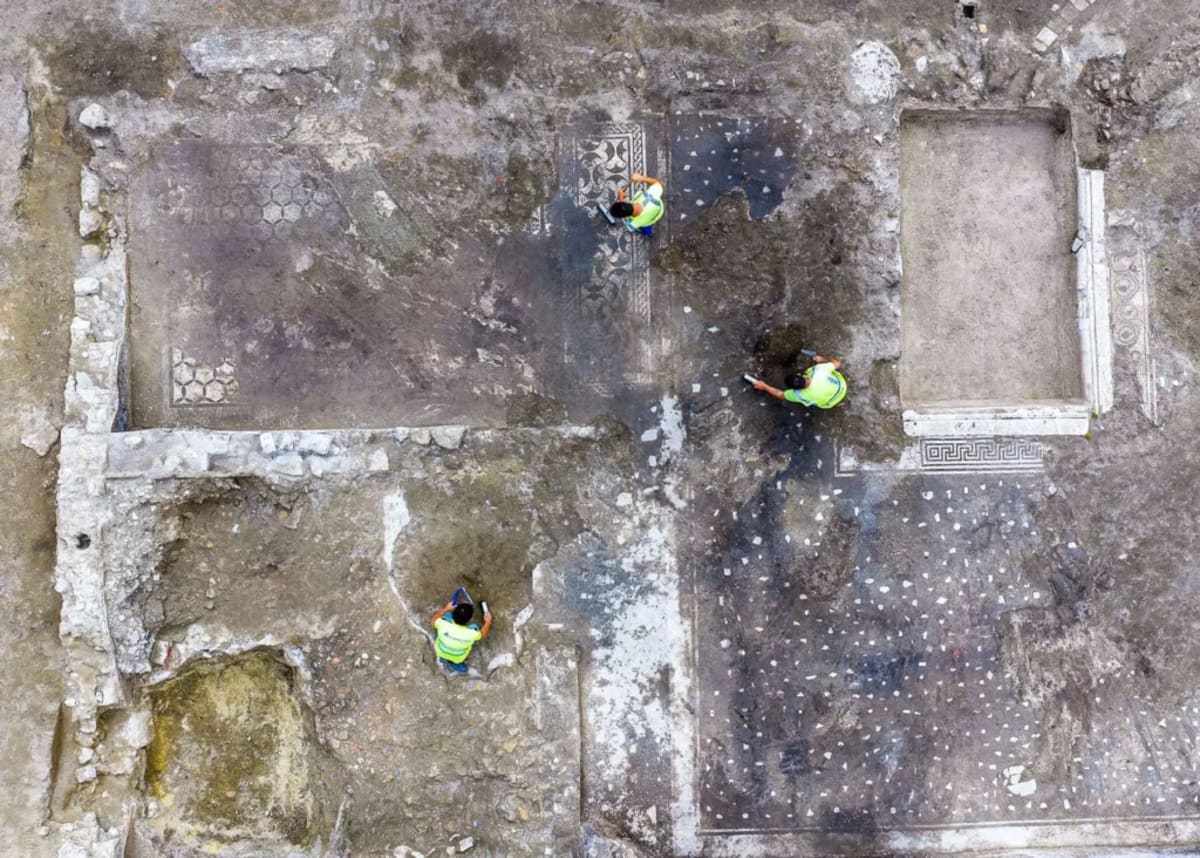
The unauthorized excavation at Castel di Guido had already damaged the site with deep trenches and displaced soil. But Italian archaeologists saw opportunity in the destruction and quickly transformed the crime scene into a controlled dig that revealed something extraordinary.
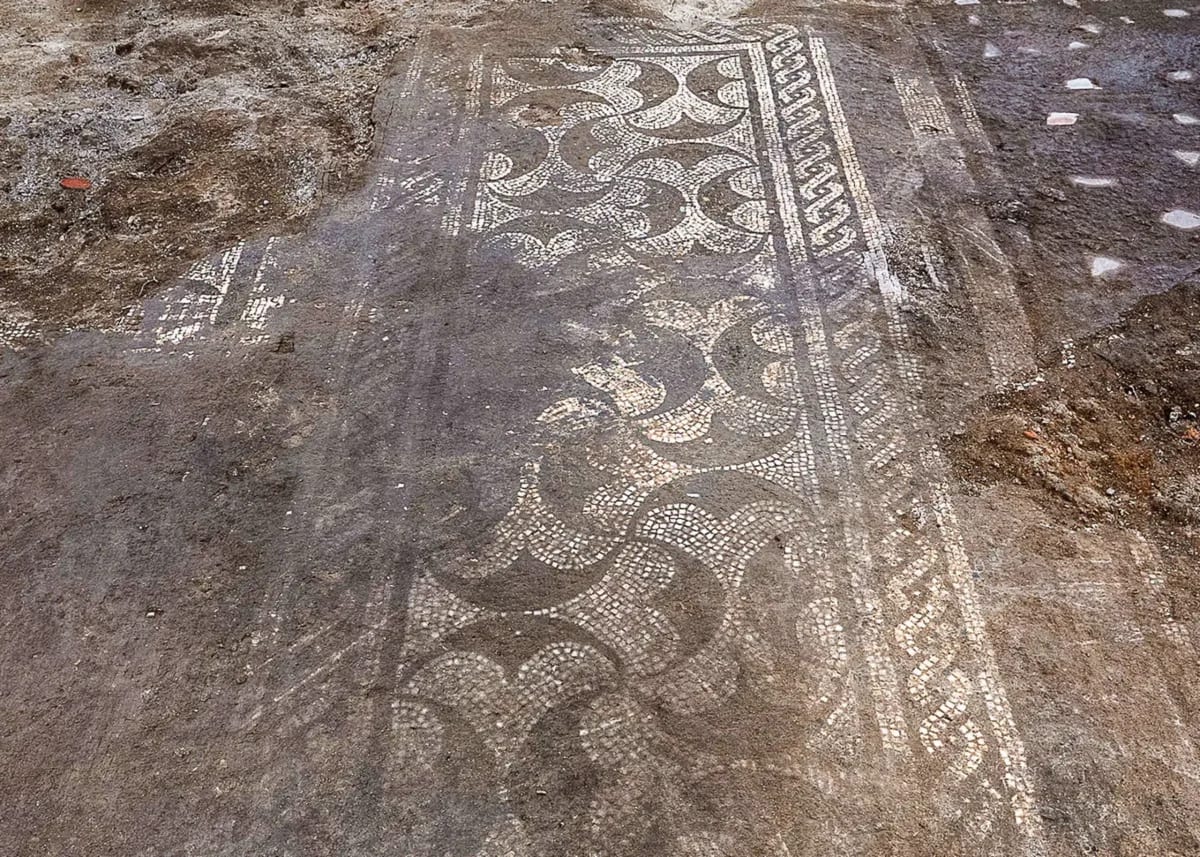
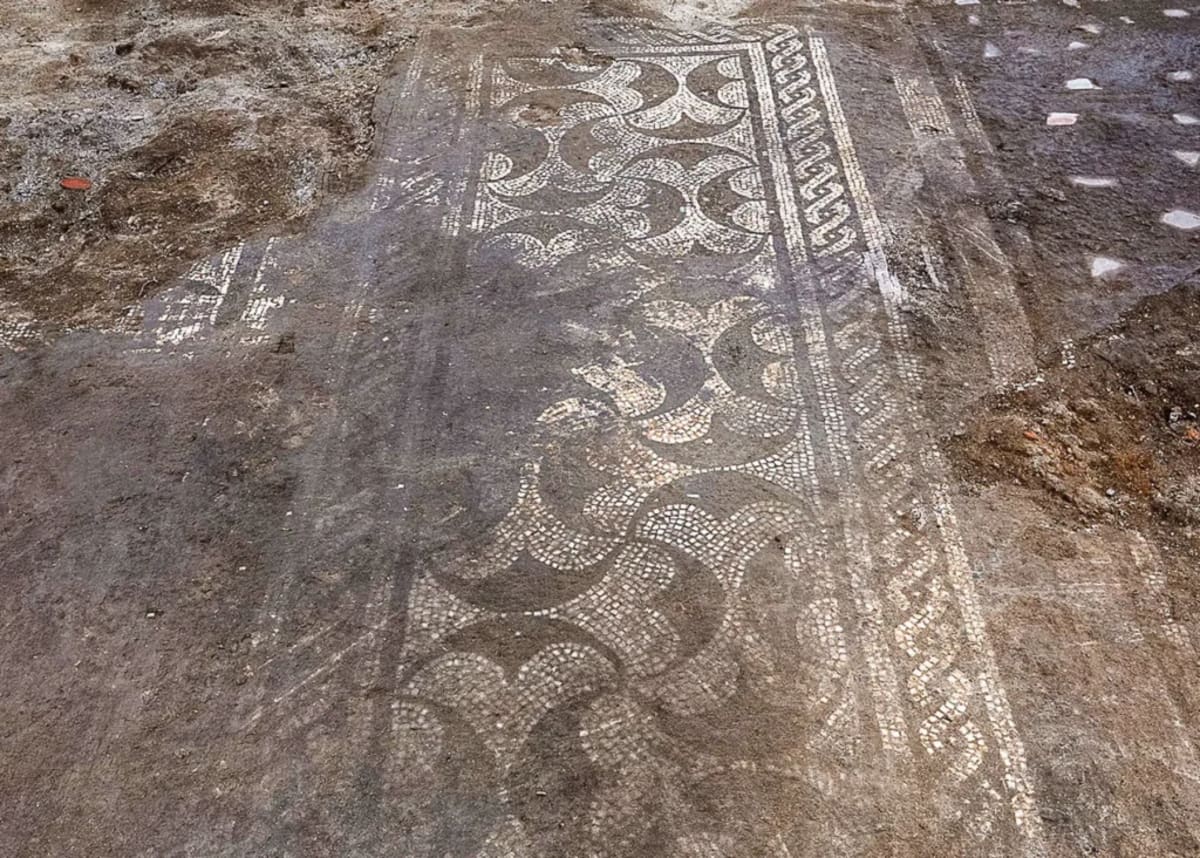
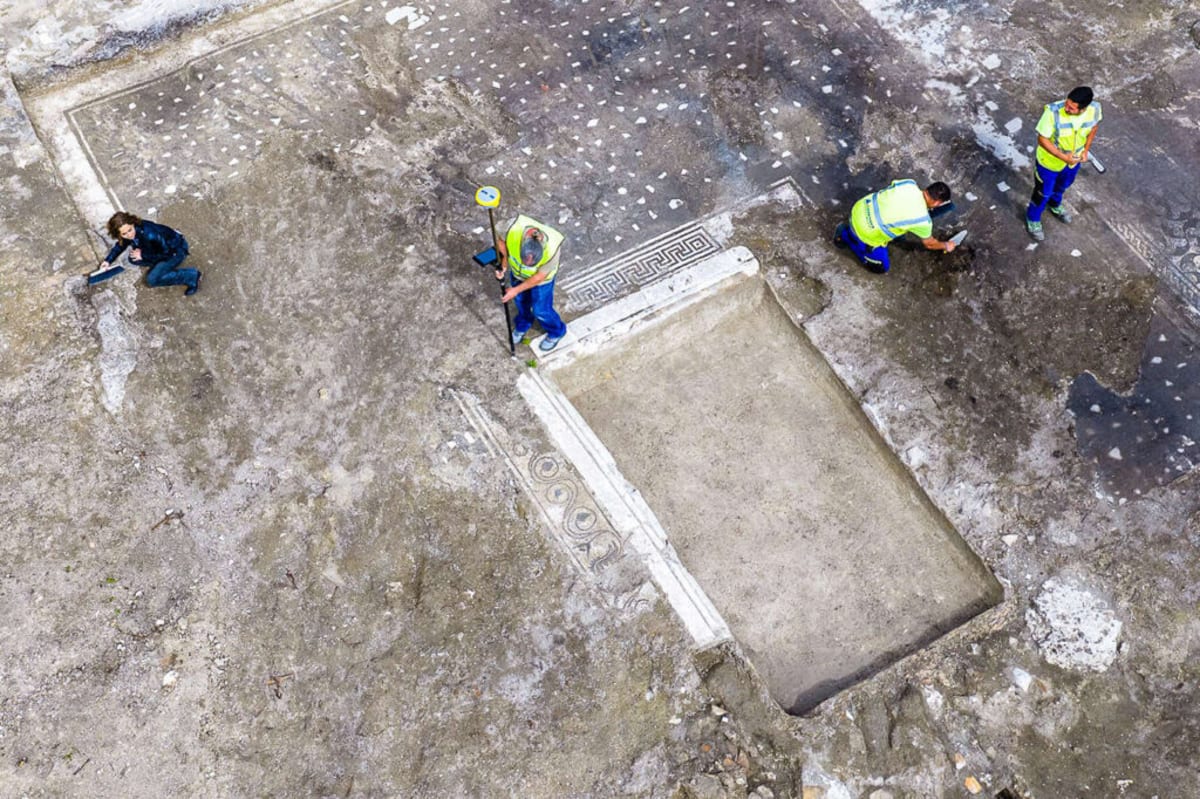
What emerged from the earth was a sprawling villa likely connected to ancient Roman emperors. The entrance features a grand basin surrounded by black and white mosaic floors showing geometric patterns and braided designs. Three rooms still preserve their original mosaic tiles, each displaying different patterns that wealthy Romans used to showcase their status.
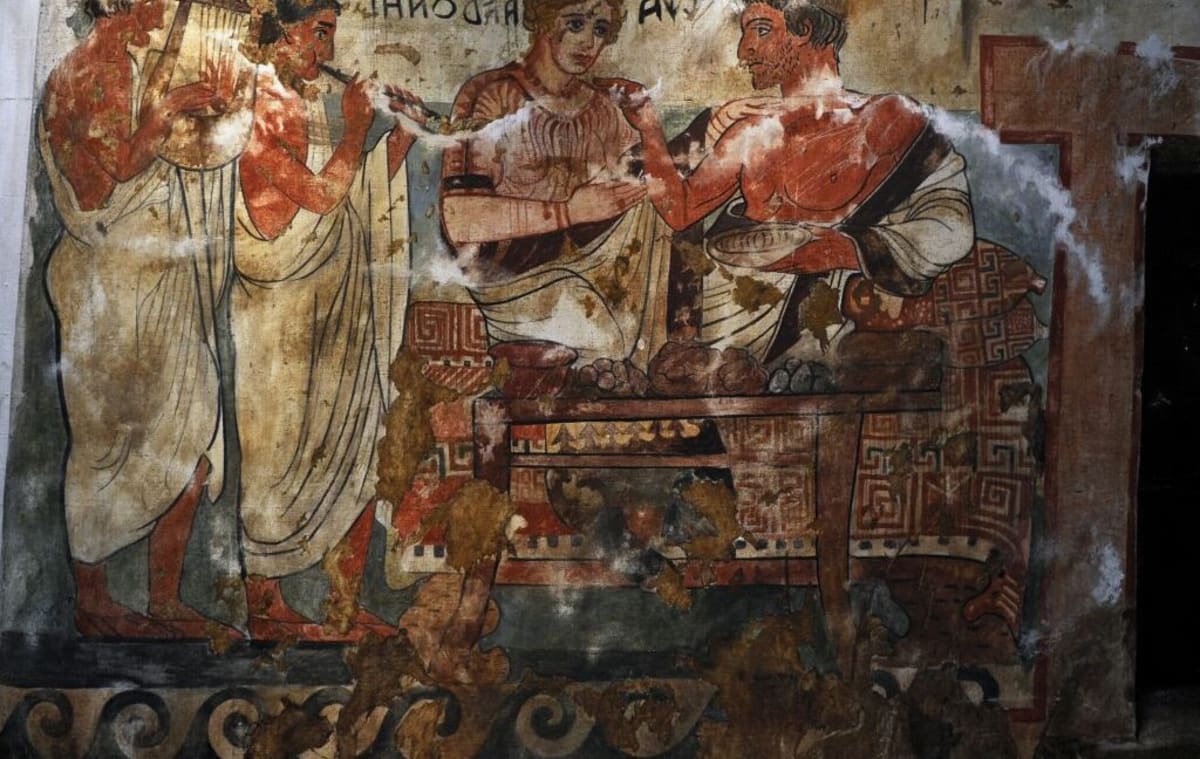
The walls tell their own story. Fragments of red, yellow, and blue paint survive, decorated with human figures and plant designs that once made these rooms breathtaking. Archaeologists found these pieces in the disturbed soil where they'd collapsed during the villa's abandonment centuries ago.
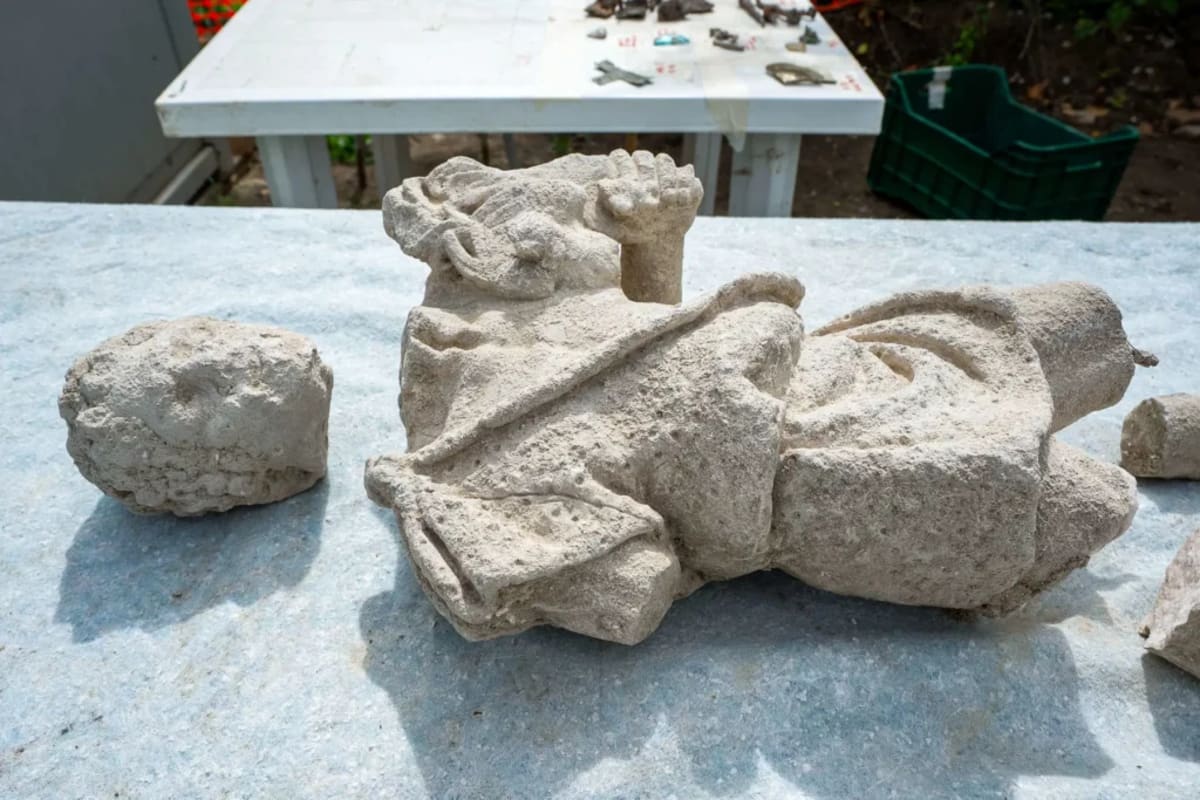
The real treasure sat waiting in the water basin. Workers discovered an 80-centimeter marble statue of a bearded man in a short tunic, carrying a basket with birds and fruit. A small animal, possibly a calf or piglet, rests in his arms.
Experts believe the figure represents Silvanus, the Roman god of fields and woods who protected agricultural lands. The choice makes perfect sense for this location, where luxury living met productive farmland in the Roman countryside.
The villa sits in the territory of ancient Lorium, an estate along the Via Aurelia where Emperor Antoninus Pius spent his youth and eventually died in 161 AD. This wasn't just any wealthy Roman's vacation home but likely part of the imperial property system that helped emperors manage their vast resources.
The Bright Side
What could have been simply a story about cultural theft became a race against time that saved history. Italy's Ministry of Culture, the Carabinieri's Cultural Heritage Protection Unit, and local archaeologists worked together to secure the site within days of the first report.
The discovery highlights how much of Rome's story still lies hidden beyond the famous tourist sites. Daniela Porro, Special Superintendent of Rome, noted that this find proves the archaeological richness extending throughout the region, not just in the historic center.
The illegal diggers caused damage, but their intrusion also revealed rooms and artwork that might have stayed buried for generations more. Now, instead of losing these treasures to the black market, Italy can study, preserve, and eventually share them with the world.
The villa continues to reveal its secrets as archaeologists carefully work through each room and artifact.
More Images
Based on reporting by Google: archaeological discovery
This story was written by BrightWire based on verified news reports.
Spread the positivity!
Share this good news with someone who needs it