Illinois Solar Farm Skips 270 MW Grid Wait With Smart Hack
A Virginia energy company just brought 270 megawatts of solar power online in Illinois without waiting years for grid connection. Their clever solution? Plugging into an existing natural gas plant's connection instead of joining the notorious interconnection queue.
Getting clean energy projects connected to America's power grid has become one of the biggest roadblocks to fighting climate change, with some solar farms waiting up to five years just for permission to plug in. Earthrise Energy just proved there's a faster way.
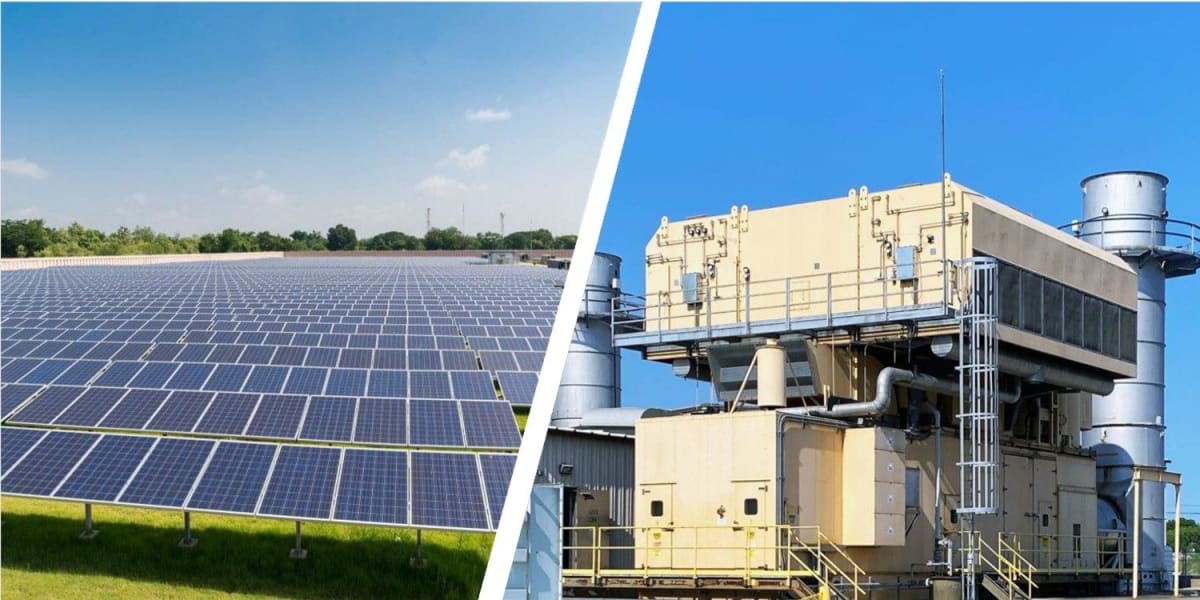
The company flipped the switch on its massive Archtop Solar Project in Gibson City, Illinois, on June 9 by sharing the grid connection with its natural gas peaking plant already at the site. Instead of building new transmission lines and waiting in the endless queue, they used surplus capacity that was already there.
The setup works beautifully. When the sun shines, the solar panels send clean electricity to the grid. When clouds roll in or evening demand spikes, the quick-start gas plant can fire up within minutes to fill the gap.
Earthrise CEO Jeff Hunter says Illinois desperately needs more power as electricity demand grows. This project shows how smart use of what we already have can get clean energy flowing years faster than the traditional approach.
The company didn't just stumble into this solution. They worked with MISO, the regional grid operator, through a special surplus interconnection process that lets new generation tap into existing transmission capacity without the typical years-long wait.
Early results look promising, according to Scott Halleran, Earthrise's vice president of asset management. The solar panels and gas plant are coordinating exactly as planned, with each providing power when it makes the most sense.
The Ripple Effect
This isn't a one-time experiment. Earthrise is already developing 1.5 gigawatts of additional solar projects across Illinois using the same strategy at five more locations in Cumberland, Coles, Will, and Vermilion counties.
That's enough clean energy to power roughly 300,000 homes once complete. More importantly, it's a blueprint other developers could follow nationwide, where over 2,000 gigawatts of proposed clean energy projects sit waiting for grid connection approval.
The approach also makes financial sense. Building new transmission infrastructure costs billions and takes years of permitting battles, while using existing connections gets projects generating revenue and clean power almost immediately.
Illinois Governor Pritzker has set ambitious clean energy goals for the state, and this model could help meet those targets on a realistic timeline instead of watching projects languish in bureaucratic limbo.
The energy industry has been treating grid connections like every project needs its own dedicated on-ramp to the highway, when sometimes the existing ramps have room for more traffic.
More Images


Based on reporting by Electrek
This story was written by BrightWire based on verified news reports.
Spread the positivity!
Share this good news with someone who needs it