India Adds Record 44 GW Solar in One Year, Hits 150 GW
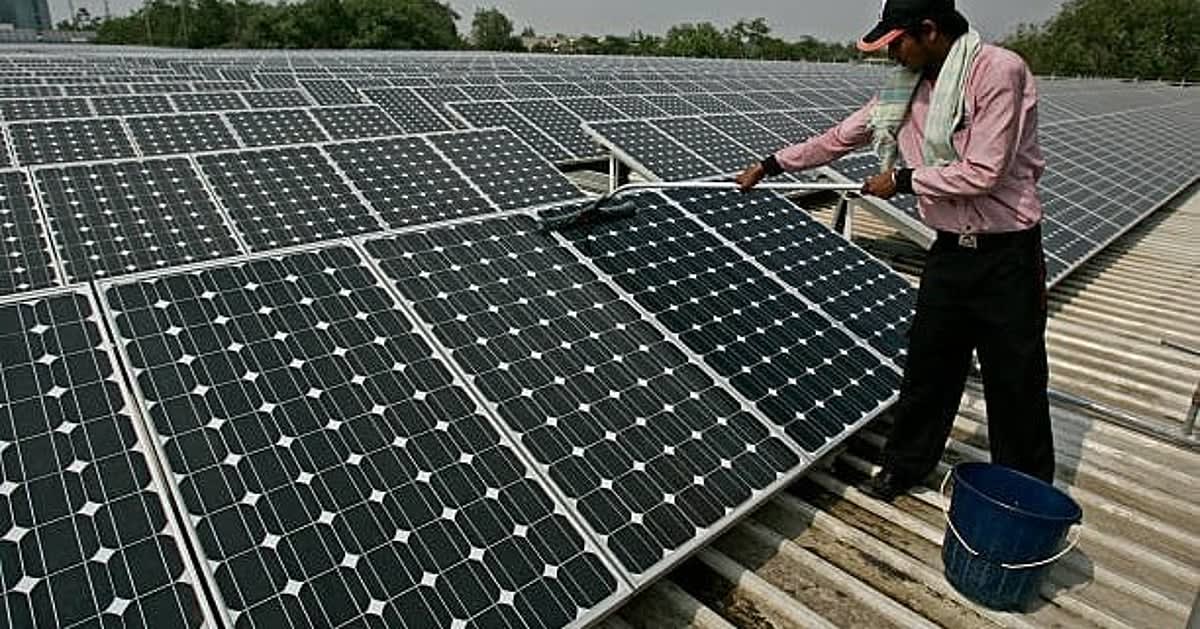
India just broke its own solar energy record by adding 44 gigawatts of capacity in a single year, pushing the country's total solar power past 150 GW. It's a massive leap for a nation that had barely 2.5 GW of solar capacity just over a decade ago.
India's solar revolution just hit a stunning milestone that few countries can match. The nation added more than 44 gigawatts of solar power capacity in just one year, bringing its total installed solar capacity beyond 150 GW, according to the Ministry of New and Renewable Energy.
To understand how remarkable this is, consider that India's entire solar capacity was only 2.5 GW before 2014. Annual additions back then barely reached 1 to 2 GW, making this year's 44 GW jump a transformation that's hard to overstate.
The expansion was driven by major government programs including PM Surya Ghar, PM-KUSUM, the Solar Park Scheme, and manufacturing incentives. These initiatives turned policy commitments into actual solar panels on rooftops, farms, and parks across the country.
The achievement came to light when the government responded to NatConnect Foundation's Earth Day appeal to Prime Minister Narendra Modi. Pradeep Kumar, Under Secretary for Policy and Regulatory Matters, confirmed the milestone in an official communication.
The Ripple Effect
India now ranks among the world's top solar growth markets, trailing only China (which adds over 250 GW annually) and ahead of the European Union (65 GW in 2024) and the United States (30 to 40 GW). For a developing nation, this places India in remarkable company.
The implications extend far beyond environmental wins. India imports nearly 85 percent of its crude oil, leaving it vulnerable to global conflicts, shipping disruptions, and price shocks. Every gigawatt of solar power reduces that dependence and strengthens the country's energy security.
NatConnect Foundation Director B N Kumar called the expansion "significant by global standards" and urged the government to launch a nationwide "Mass Solar Mission" similar to the Swachh Bharat sanitation campaign. The proposal would make clean energy a true people's movement, covering everything from rooftop solar systems to EV charging infrastructure and solar streetlights.
The economic benefits are equally compelling. Supporting domestic solar manufacturing through programs like the Production Linked Incentive Scheme creates jobs while reducing reliance on imports. Farmers gain access to solar pump sets, MSMEs get support for renewable energy services, and communities benefit from cleaner air and lower energy costs.
This solar surge proves that developing nations don't have to choose between growth and sustainability. India is powering its future while protecting its present, one solar panel at a time.
Based on reporting by Google News - Solar Power Record
This story was written by BrightWire based on verified news reports.
Spread the positivity!
Share this good news with someone who needs it