New Zealand Breeds Sheep That Cut Methane 18%
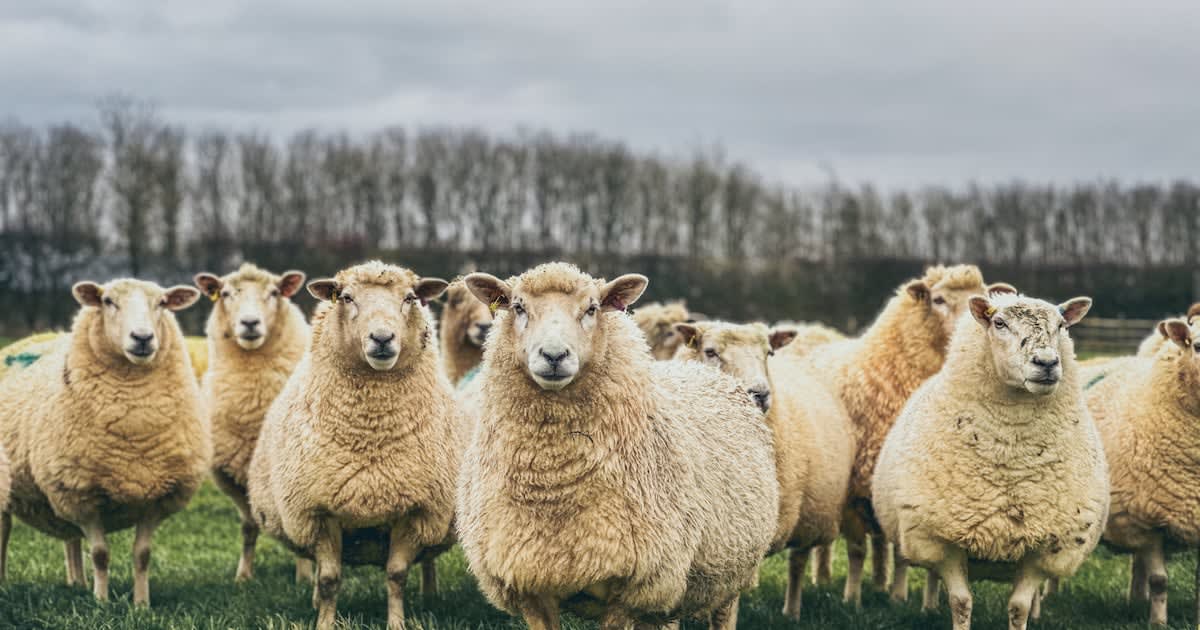
Scientists have successfully bred sheep that naturally produce 18% less methane, giving farmers a proven tool to cut emissions right now. The best part? It works within farming practices already in place.
Farmers facing pressure to reduce livestock emissions finally have a solution that actually works today, not someday in the future.
New Zealand researchers have proven that breeding sheep for low methane emissions cuts their output by an average of 18%. Unlike experimental technologies still in development, this approach is ready for farms right now.
"Breeding for low methane in sheep is a proven tool, backed by years of pioneering New Zealand science, and is available to farmers now," said Wayne McNee, chief executive of AgriZeroNZ. From a farmer's perspective, it fits perfectly into how they already work.
Dr. Suzanne Rowe, who leads the low methane breeding research at the Bioeconomy Science Institute, has been tracking two flocks of sheep since establishing high and low methane groups. The 18% difference between them has remained consistent.
The genetic changes are permanent and get passed down to future generations, meaning the benefits compound over time. Each year brings small improvements that add up to significant reductions across entire flocks.
Four major agricultural organizations just invested $1.2 million to expand the Cool Sheep Programme for another year. The funding will help measure methane emissions and collect genetic data from 5,000 sheep to make the breeding predictions even more accurate.
The new research phase tackles a question that could convince even more farmers to join in. Scientists will test whether low methane sheep also convert their feed more efficiently, which would make them more profitable to raise.
Around 300 sheep will participate in feed efficiency trials, with results expected later this year. If the connection holds true, farmers would get a double benefit: lower emissions and better productivity from the same animals.
Why This Inspires
This breakthrough shows how working with nature, rather than against it, can solve modern problems. Farmers aren't being asked to adopt complicated new technologies or completely change their operations.
Kate Acland, Chair of Beef + Lamb New Zealand, highlighted why this matters for real working farms. "Farmers are rightly focused on productivity and profitability. This programme will help establish if there's a genetic link between high feed conversion efficiency and low methane emissions."
The approach gives farmers choices instead of mandates. While scientists continue developing vaccines and feed additives, genetics offers something available today that complements other future solutions.
New Zealand's investment in this research benefits farmers worldwide who raise sheep and face similar emission challenges. The genetic knowledge and breeding techniques can transfer to other countries and help reduce agricultural emissions globally.
Sometimes the most powerful innovations are the ones that make change feel natural and achievable.
Based on reporting by Google News - Emissions Reduction
This story was written by BrightWire based on verified news reports.
Spread the positivity!
Share this good news with someone who needs it