India Airlifts Blind Elephant to Safety After Flood Rescue
When a 53-year-old elephant named Joymoti was swept 55 kilometers by floodwaters in India, rescuers didn't just pull her to safety. They put her on a plane for the country's first-ever airlifted elephant medical treatment, showing how far wildlife care has come in less than a decade.
When villagers in Nagaland found Joymoti struggling in floodwaters this July, the elderly elephant was blind in one eye, carrying an old leg injury, and had been swept 55 kilometers from home. What happened next marked a turning point in how India cares for its wildlife.
Instead of basic field treatment and hope, Joymoti became the first elephant in India to receive air transport for specialized medical care. Forest staff stabilized her, monitored her for weeks, then flew her across the country to Vantara conservation center in Jamnagar for eye treatment, wound management, and long-term rehabilitation.
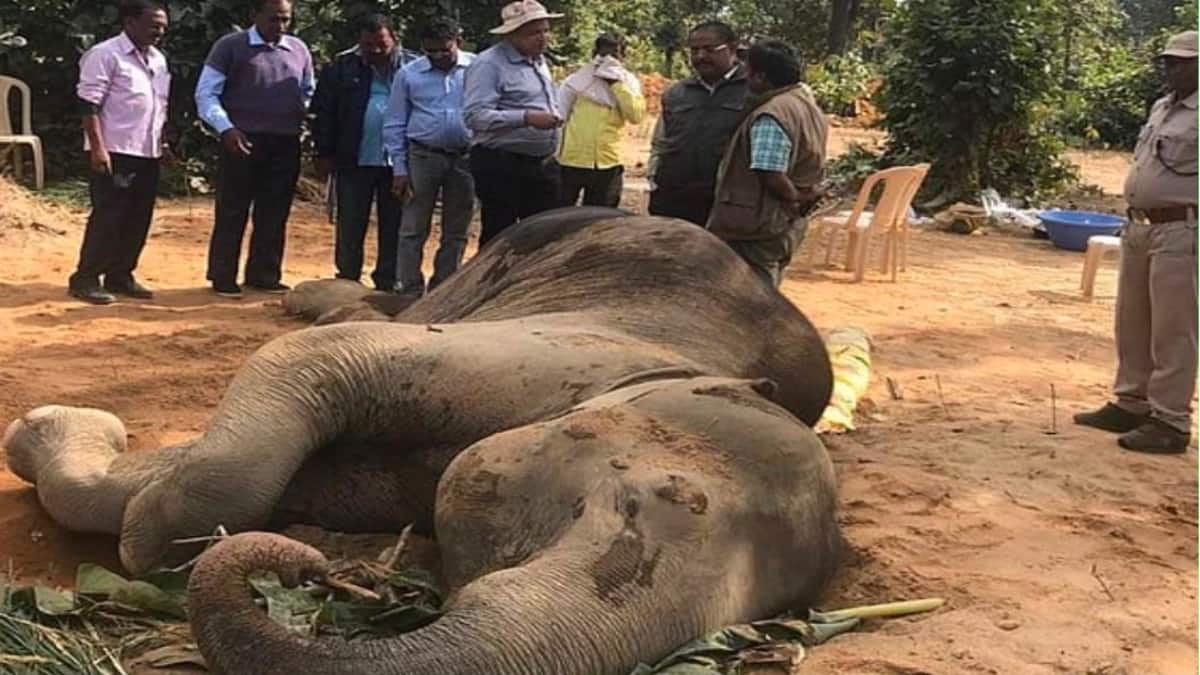
The contrast with earlier rescues is stark. In 2017, rescuers worked 42 hours to pull an elephant named Padmavati from a 20-foot pit in Chhattisgarh, using earthmovers and the determination of an entire district. Two days after her rescue, Padmavati died from her injuries.
Both rescues succeeded in getting elephants to safety. The difference lies in what came after.
For decades, wildlife rescue in India meant extraction from immediate danger: pulling animals from wells, pits, or floodwaters. What happened once the animal reached solid ground depended largely on luck and whatever basic care was available nearby. An injured elephant might receive first aid, but specialized treatment for complex wounds, chronic injuries, or age-related conditions simply wasn't part of the equation.
The Ripple Effect
Joymoti's journey signals something bigger than one elephant's second chance. Her case required veterinary teams with expertise that didn't exist in most of India a few years ago, infrastructure capable of handling complex long-term care, and the resources to make air transport safer than days on a truck.
The decision to fly her wasn't about spectacle. At 53 years old, with multiple injuries and partial blindness, the strain of road transport could have done more harm than the floods. Air travel became possible because facilities now exist that can handle cases this complex.
This evolution extends beyond individual rescues. As centers like Vantara develop specialized capabilities in wildlife veterinary care, nutrition science, and rehabilitation protocols, they create a safety net that didn't exist before. An injured elephant anywhere in India now has options beyond field stabilization and hope.
Joymoti is still recovering, receiving treatment for her eye and wounds while building strength. Her story doesn't end with a dramatic rescue from floodwaters but continues quietly in examination rooms and rehabilitation spaces, where the real work of healing happens. That's the shift: rescue is no longer the finish line but the starting point.
Based on reporting by Google News - Wildlife Recovery
This story was written by BrightWire based on verified news reports.
Spread the positivity!
Share this good news with someone who needs it